
Vegetables
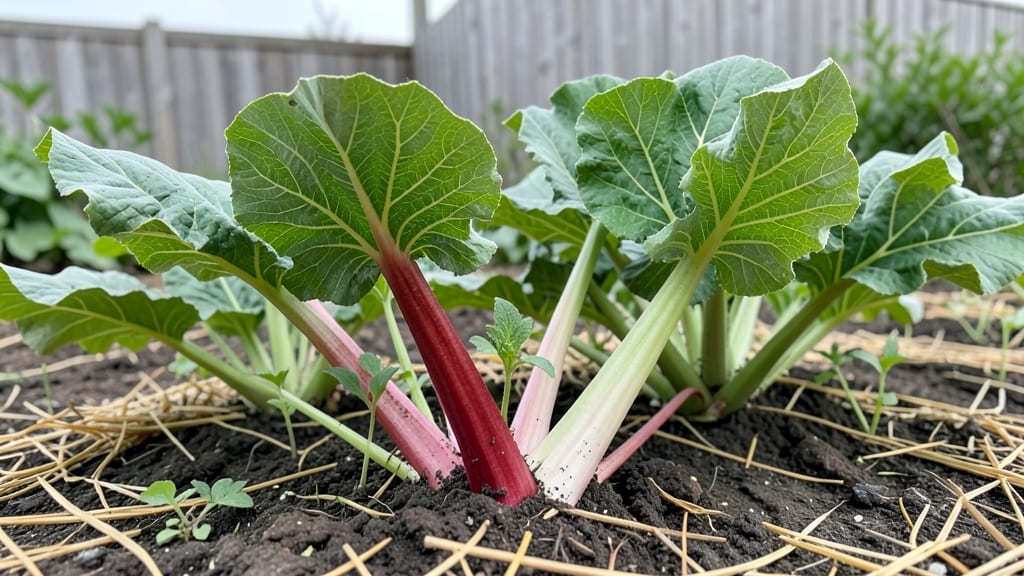
Yes, there are different types of rhubarb, categorized by stalk color, growth patterns, and cold tolerance, with red varieties like 'Victoria' being most common alongside green types such as 'Green Giant,' plus rare yellow and pink cultivars.
Rhubarb isn't just one plant—it comes in a rainbow of colors and flavors, each with unique growing traits. 🌈 The red stalks you're most familiar with, like 'Victoria,' tend to be tartest, while green varieties like 'Green Giant' often have a milder taste.
Rare yellow and pink cultivars add visual appeal and sometimes sweeter notes, though they're harder to find. Growth habits vary too: some thrive in cold climates, while others need warmer conditions, making variety selection key for gardeners in different regions.
What's fascinating is how these differences extend beyond appearance. For example, red rhubarb typically contains more anthocyanins, which may offer additional antioxidants compared to green varieties.
Meanwhile, the stalks' thickness and length can differ significantly between cultivars, impacting their culinary uses—thicker stalks hold up better in pies, while thinner ones work well in sauces or compotes.
💡 In This Article
- Rhubarb Varieties by Color and Growth Characteristics
- Best Rhubarb Cultivars for Home Gardens and Commercial Use
Rhubarb varieties by color and growth characteristics
The color of rhubarb stalks isn't just for show—it reveals key differences in chemistry and taste. Red varieties like 'Victoria' contain anthocyanins, pigments that give them their vibrant hue and contribute to a tart, almost tangy flavor profile.
These compounds also act as antioxidants, with studies showing red rhubarb may have up to 30% more than green types. The texture of red stalks tends to be slightly firmer, making them ideal for baking where structure matters most.
Green rhubarb, such as 'Green Giant,' lacks these anthocyanins and often has a milder, slightly sweeter taste with a more delicate texture. The stalks are typically thicker and longer, growing up to 3 feet in ideal conditions.
What's fascinating is how the chlorophyll in green stalks affects their nutritional content—they contain slightly more vitamin K and calcium, though the difference in everyday diets is minimal.
Rare yellow and pink cultivars, like 'Golden Cherry' or 'Pink Passion,' fall somewhere in between, offering a balance of tartness and sweetness with unique visual appeal.
Growth habits vary dramatically between varieties. Most commercial types are perennial, meaning they regrow each year from the same root system, but their cold hardiness differs. 'Victoria' can survive winters down to -25°F, while some green varieties like 'Green Mountain' thrive in zones as cold as -30°F.
Biennial types, though less common, produce their best stalks in their second year before declining. The stalk thickness also impacts yield—thinner stalks (like those of 'Timperley Early') produce more per plant but are better suited for sauces than pies.
Here's what most gardeners don't realize about pigmentation: the deeper the red color, the more likely the rhubarb is to oxidize quickly when cut. This is why red varieties often turn brown faster unless treated with lemon juice or stored properly.
Green rhubarb, being less reactive, maintains its color longer—making it the preferred choice for fresh markets where appearance matters. The pH levels also differ slightly between colors, with red rhubarb testing around 3.2-3.5 (more acidic) compared to green's 3.5-3.8, which affects how they interact with other ingredients in cooking.
For those growing rhubarb commercially, these differences translate directly to market value. Red varieties command higher prices in specialty markets due to their vibrant color and bold flavor, while green types are often preferred for processed products like jams and sauces where uniformity matters.
The stalk length also affects packaging—shorter stalks (12 inches) are ideal for retail bundles, while longer ones work better for bulk industrial processing.
What's clear is that choosing a variety isn't just about preference; it's about understanding how these botanical differences will perform in your specific growing conditions and end uses.