
Shrubs
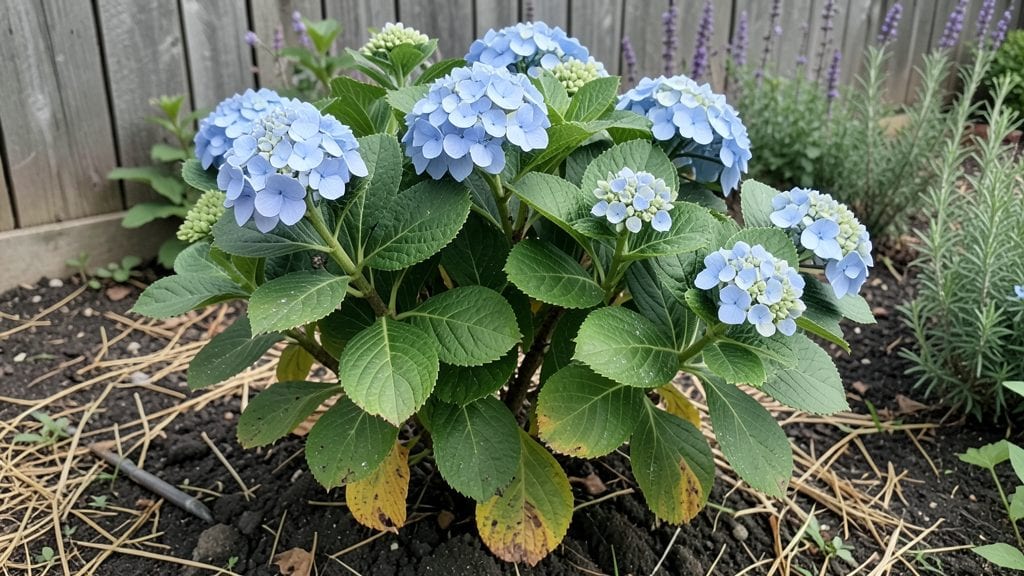
A shrub's defining feature is its woody structure—unlike annuals or perennials that die back to the ground, shrubs maintain their woody framework year-round. 🌿 This makes them ideal for creating long-lasting borders or privacy screens in gardens.
Think of common examples like hydrangeas or lilacs: their sturdy stems and layered growth patterns set them apart from both trees and herbaceous plants.
Beyond their botanical traits, shrubs play a functional role in ecosystems by providing shelter for wildlife and supporting pollinators through their seasonal blooms. Many gardeners choose them for their adaptability—whether you need a fast-growing hedge or a drought-tolerant plant for rocky terrain, there's a shrub variety suited to your needs.
The key is matching the plant's natural growth habits to your landscape goals.
💡 In This Article
- Botanical Characteristics That Define Shrubs
- Practical Uses of Shrubs in Landscaping and Gardening
Botanical characteristics that define shrubs
The key distinction between shrubs and other plant types lies in their woody stems and multi-stemmed growth habit. Unlike trees that develop a single, dominant trunk, shrubs produce multiple stems from the base, creating a bushy appearance.
This branching pattern begins at the soil level, where lateral buds develop into secondary stems. For example, a boxwood shrub typically grows with 5-15 stems radiating outward, while a tree like an oak has one central trunk with branches emerging above ground. 🌿
Height serves as another critical differentiator. While trees can reach 50 feet or more, most shrubs remain between 3 to 15 feet tall. Some exceptions exist—like the Russian olive that can grow to 20 feet—but these are outliers.
The height limitation stems from their growth strategy: shrubs allocate energy to producing multiple stems rather than vertical growth. This creates dense foliage ideal for wildlife habitats or landscape borders. Compare this to herbaceous plants, which lack woody tissue entirely and die back annually.
The perennial woody structure sets shrubs apart from annuals or biennials. While herbaceous perennials may have woody roots, their above-ground parts are soft and non-woody. Shrubs maintain their woody framework year-round, allowing them to persist through multiple growing seasons.
For instance, azaleas keep their woody stems even after flowering, while their herbaceous counterparts would require replanting annually. This woody persistence enables shrubs to serve as long-term landscape features.
Shrubs also differ from vines and ground covers through their upright growth habit. Vines like ivy grow horizontally or climb supports, while ground covers spread outward along the soil surface. Shrubs maintain an upright posture, though some varieties like creeping juniper may develop sprawling forms.
The key difference lies in their structural integrity—shrubs maintain their woody framework regardless of growth direction. This upright habit makes them ideal for creating vertical interest in gardens.
Seasonal flowering and fruiting represent another defining trait. Many shrubs produce showy flowers or berries that attract pollinators and wildlife. For example, serviceberry shrubs bear both spring flowers and edible berries, while holly shrubs produce distinctive red berries.
This dual functionality—providing both aesthetic and ecological benefits—makes shrubs valuable in both ornamental and natural settings. The timing of these seasonal displays often correlates with specific pollinator needs, creating ecological niches.
What most gardeners don't realize is how root system structure influences shrub characteristics. Shrubs typically develop a fibrous root system that spreads widely but not deeply, allowing them to thrive in shallow soil layers.
This contrasts with tree roots that penetrate deeply for water access. The shallow root system makes shrubs excellent for erosion control on slopes, as their extensive lateral roots bind soil particles effectively. 🌱