
Light Requirements
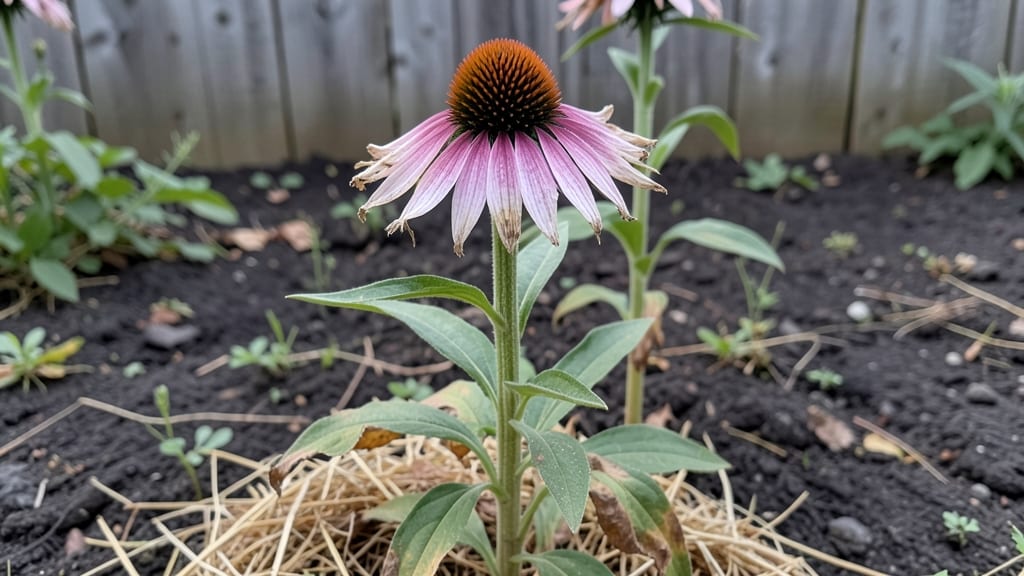
Planting Autumn Sun coneflower this fall means bold, golden blooms that outshine anything else in your garden next summer. 🌻 I’ve grown these tough perennials for years, and they’ve never failed me—drought, heat, or even my occasional neglect can’t keep them down.
The secret lies in their love for full sun and well-draining soil, paired with almost no fuss once established.
These plants thrive in full sun to partial shade, handling even the hottest afternoons without wilting. They’re happy in average garden soil but reward you best when you mix in some compost at planting.
Water them deeply after planting, then let nature take over—they’re drought-tolerant once rooted, making them perfect for low-maintenance gardens. Just avoid soggy soil, and you’ll have blooms from midsummer through frost.
By late summer, you’ll be snipping stems for bouquets that last weeks in a vase, while bees and butterflies flock to their nectar-rich flowers. The dark centers add striking contrast to the golden petals, creating a showstopping display that’s hard to beat.
Prune back spent blooms in fall to keep the plants tidy, and they’ll bounce back stronger next spring.
Pair them with black-eyed Susans or Russian sage for a sun-loving dream team, and watch your pollinator visitors go wild. Even in challenging climates, these coneflowers deliver foolproof color with almost no work—just plant, forget, and enjoy the results.
Here’s how to make them thrive in your garden this season.
📚 In This Guide
- What you need
- Instructions
- Tips and common mistakes
- Wrapping up and next steps
What you need
- ● Seeds or seedlings: Rudbeckia hirta (Autumn Sun variety) – 1 packet (50–100 seeds) or 3–5 healthy seedlings.
- ● Well-draining soil: Native soil amended with compost (or pre-mixed garden soil with 50% organic matter).
- ● Sunlight: Full sun exposure (6+ hours of direct sunlight daily).
- ● Watering can or hose: With a gentle spray nozzle for even moisture distribution.
- ● Garden gloves: To protect hands while handling soil or seeds.
- ● Trowel or transplanting tool: For digging holes (4–6 inches deep).
- ● Mulch (straw or shredded leaves) – 2–3 inches to retain moisture.
- ● Fertilizer (balanced 10-10-10 or slow-release granular) – Apply lightly at planting time.
- ● Plant markers or stakes – To label and support tall varieties.
- ● Pruning shears – For deadheading spent blooms (encourages more flowers!).
- ● Drip irrigation system – For low-maintenance watering in established beds.
Step-by-step instructions for planting autumn sun coneflower
Here's how to grow these drought-tolerant beauties with confidence—no green thumb required.
🌱 Step 1: Choose the Perfect Planting Spot
Autumn Sun Coneflowers thrive in full sun, so pick a location that gets at least 6-8 hours of direct sunlight daily. I always scout the site in early morning—watch for shadows cast by trees or buildings. If your space only gets 4-6 hours, the flowers will still bloom but may be smaller and less vibrant.
These plants handle poor soil surprisingly well, but they'll reward you with bigger blooms if you amend the ground with 2-3 inches of compost before planting. Work it into the top 6 inches of soil to loosen it up. Avoid heavy clay—it drains poorly and can suffocate roots.
🪴 Step 2: Plant at the Right Depth and Spacing
Dig a hole twice as wide as the root ball but no deeper—planting too deep can drown the crown. Gently remove the plant from its container and tease the roots apart if they're circling. This helps them spread into the soil more easily.
Space plants 18-24 inches apart for a full, natural look. I like to arrange them in odd-numbered clusters (3, 5, or 7 plants) for a more organic feel. Backfill the hole with soil, pressing lightly around the edges to eliminate air pockets. Water deeply right after planting to settle the soil.
💧 Step 3: Water Deeply but Infrequently
Autumn Sun Coneflowers are drought-tolerant once established, but young plants need consistent moisture. Water 1-2 inches per week, checking the soil with your finger—if the top 1-2 inches feel dry, it's time to water. Overwatering is the real enemy here; soggy soil leads to root rot.
I water at the base of the plant in the early morning to reduce evaporation. You'll know you're doing it right when the soil feels damp but not soggy, and the leaves stay crisp rather than wilting. After the first month, you can cut back to watering only when the soil feels dry to the touch.
☀️ Step 4: Deadhead for Continuous Blooms
Pinch off spent blooms by squeezing the stem just below the flower head with your thumb and forefinger. This encourages the plant to produce more flowers instead of going to seed. I do this every 2-3 weeks throughout the growing season, and my plants keep blooming until frost.
Watch for the centers turning brown—that's your cue to deadhead. If you skip this step, the plant will redirect energy into seed production, and you'll get fewer flowers. It takes about 5 minutes per plant, but it makes a huge difference in how long your display lasts.
✂️ Step 5: Cut Back in Late Fall for Next Year
When the first frost blackens the foliage, cut the stems back to 2-3 inches above the ground. This prevents the plant from seeding itself everywhere and keeps it tidy. I use clean, sharp pruners to make clean cuts just above a leaf node if possible.
Leave the cut stems in place over winter—they provide some insulation for the roots. In early spring, you can remove them or compost them. The plant will send up fresh growth from the base, and you'll have beautiful blooms again in just a few months.
Tips & tricks for thriving autumn sun coneflowers
Here's what I've learned from years of growing these hardy beauties—simple tricks that make all the difference.
The Sunlight Secret: Those 6-8 hours of sunlight are non-negotiable for peak performance. I've found that morning sun is especially important—it gives the plants a strong start before afternoon heat. If you're unsure about your spot, use a solar calculator app to track sunlight exposure for a few days. Remember, even 4-6 hours will work, but you'll sacrifice some of that vibrant color and size.
Root Magic: When teasing apart those circling roots in Step 2, don't be shy—get aggressive! I use my fingers to gently pull them outward like a starburst. This helps the roots spread into the soil more naturally. Pro tip: If your plant comes in a plastic pot, make a few vertical slits in the bottom before planting to encourage root growth outward rather than circling.
Watering Wisdom: The 1-2 inches per week guideline is perfect, but timing matters just as much. I've learned the hard way that watering in the evening can lead to fungal issues. Stick to early morning when the plants have plenty of time to dry before nightfall. For the first month, I set a reminder to check soil moisture—those young roots need consistent dampness, but not soggy conditions.
Deadheading Discipline: Those 2-3 weeks between deadheadings might seem long, but consistency pays off. I've found that using clean, sharp fingernails helps make the pinch easier—no need for scissors! If you're feeling lazy, just focus on the main stems first. Even partial deadheading will extend your blooming season compared to doing nothing at all.
Pro Tips for Autumn Sun Coneflower
- Here's what I've learned from years of growing these hardy beauties—simple tricks that make all the difference.
- The Sunlight Secret: Those 6-8 hours of sunlight are non-negotiable for peak performance.
- Root Magic: When teasing apart those circling roots in Step 2, don't be shy—get aggressive!
Frequently asked questions
When is the best time to plant Autumn Sun coneflowers?
Plant seeds in early spring (4–6 weeks before the last frost) or late summer (6–8 weeks before the first frost). Transplants can go in the ground anytime the soil is workable. These hardy perennials thrive when given time to establish roots before winter!
How long does it take for Autumn Sun coneflowers to bloom?
From seed, expect blooms in 60–90 days if planted in spring. Established plants (transplants) may flower the first year and return with even more vigor in subsequent seasons. Patience pays off—these beauties reward consistency!
Are Autumn Sun coneflowers deer- or rabbit-resistant?
While not completely deer- or rabbit-proof, they’re less appealing than many other perennials. For extra protection, try deer repellent sprays or plant them near strongly scented herbs like rosemary or lavender.
Can Autumn Sun coneflowers handle full sun all day?
These sun-lovers thrive in 6+ hours of direct sunlight daily. In hot climates, provide afternoon shade to prevent wilting, but they’re tough enough to handle most full-sun gardens with ease.
What do I do if my coneflowers aren’t blooming?
Check these fixes:
- Deadhead spent blooms to encourage new flowers.
- Ensure they get full sun and well-draining soil.
- Fertilize lightly in early spring with low-phosphorus food.
- Divide mature clumps every 3–4 years to rejuvenate growth.
What’s a great companion plant for Autumn Sun coneflowers?
Pair them with black-eyed Susans, salvia, or Russian sage for a low-maintenance pollinator magnet. They also complement grasses like Little Bluestem for texture contrast. Avoid overly competitive plants like mint or invasive ground covers.
Wrapping up and next steps
Embrace the joy of growing autumn sun coneflower—a low-maintenance, drought-tolerant beauty that thrives in full sun while adding vibrant color to your garden! 🌻 With the right soil, spacing, and a little patience, you’ll enjoy its cheerful blooms for years to come.
Ready to level up your garden game? Start by planting a few this season and watch your outdoor space transform into a pollinator paradise.
Next step: Grab your seeds or seedlings and get growing—your future garden will thank you! 🌱