
Shrubs
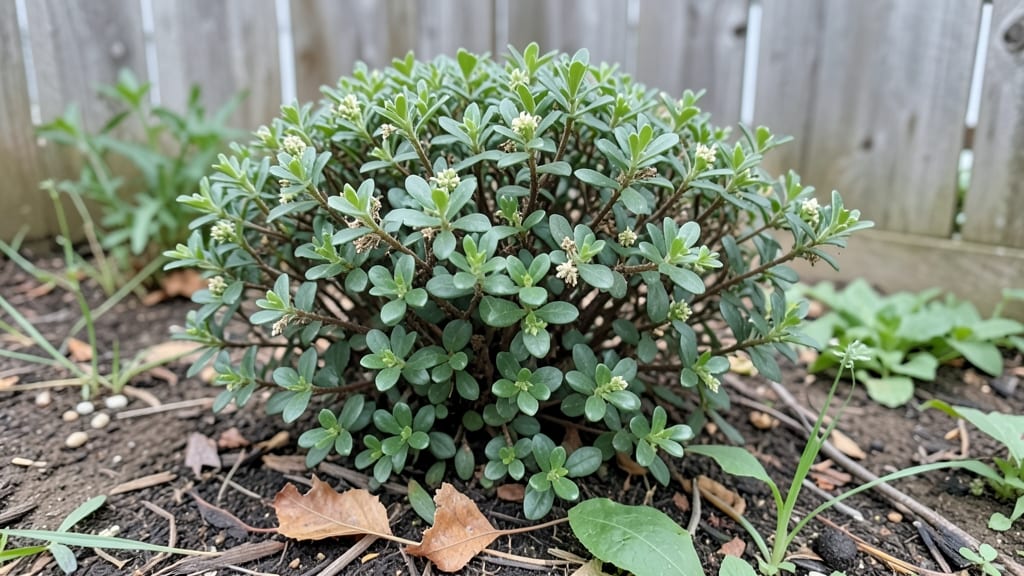
When your boxwood shrubs turn brown, it’s not just an eyesore—it’s a cry for help from your plants. 🌿 I’ve seen this happen after a brutal winter or when summer heat dries out roots faster than we can water.
The good news? Most browned boxwoods can bounce back with the right care, but you’ve got to act fast before the damage sets in permanently.
The culprits are usually one of three things: too much or too little water, fungal diseases like box blight, or pests munching away unseen. I learned the hard way that overwatering—especially in heavy clay soil—strangles roots faster than drought.
The first step is checking the soil: if it’s soggy, you’re drowning your shrubs; if it’s bone dry, they’re thirsty. Then comes the detective work: look for dark spots (fungus), chewed leaves (pests), or crispy edges (environmental stress).
With the right fix, you’ll see new growth in as little as 4-6 weeks. Prune back dead branches, adjust your watering schedule, and treat fungal issues with copper fungicide or neem oil.
The key is consistency—boxwoods hate extremes, whether it’s scorching sun or soggy soil. Once you get their care routine right, those glossy green leaves will make your neighbors green with envy.
This works for both in-ground shrubs and container-grown boxwoods, though containers dry out faster. If you’re in a hot, humid climate, watch for box blight—it spreads like wildfire. But don’t panic: early action turns a dying shrub into a thriving one. Let’s bring yours back to life.
Root Causes Behind Browning Boxwoods
When your once-vibrant boxwood shrubs start turning brown, it’s often a cry for help from the plant itself. Understanding the why behind the discoloration is the first step to restoring their lush, emerald-green glory.
Below, we break down the most common culprits—each with a scientific twist and actionable insights to diagnose the issue accurately.
Boxwoods thrive in well-drained soil, but when roots sit in soggy conditions, they suffocate—leading to root rot and browning foliage. Overwatering (especially in heavy clay soil) deprives roots of oxygen, while poor drainage traps excess moisture, creating a breeding ground for Phytophthora fungi.
Symptoms often start at the bottom of the plant, where water pools, and may progress upward as the root system deteriorates.
Key signs:
- Yellowing or brown leaves from the bottom up.
- Mushy, blackened roots when inspected.
- Soggy soil that stays damp for days after watering.
💡 Pro Tip: Test your soil’s drainage by digging a hole, filling it with water, and timing how long it takes to drain. If it’s slower than 4–6 hours, amend with organic matter (compost or perlite) or raise the plant’s bed slightly.
While too much water harms boxwoods, chronic underwatering can also trigger browning. These shrubs have shallow roots and rely on consistent moisture—especially during hot, dry spells. When soil dries out, leaves curl, crisp, and turn brown at the edges, a condition called marginal scorch.
Severe drought weakens the plant’s vascular system, making it susceptible to wilting and dieback.
Key signs:
- Brown, dry leaf edges or tips.
- Leaves that feel papery or brittle to the touch.
- Soil pulling away from the pot (if container-grown) or cracking.
💡 Pro Tip: Water deeply 1–2 times per week (more in extreme heat) and aim for 1–1.5 inches of water per week. Use mulch (2–3 inches of shredded bark) to retain moisture and regulate soil temperature.
Boxwoods are prone to foliar diseases like boxwood blight (caused by Calonectria pseudonaviculata) and volutella blight, both of which thrive in humid, wet conditions. These pathogens create dark brown, velvety spots on leaves, often with yellow halos, and can spread rapidly if left unchecked.
Bacterial leaf spot (Xanthomonas campestris) causes water-soaked, brown lesions that may ooze when wet.
Key signs:
- Dark brown/black spots with fuzzy growth (boxwood blight).
- Leaves that crisp and drop prematurely.
- Cankers or lesions on stems (advanced stages).
💡 Pro Tip: Remove and destroy infected leaves immediately (do not compost). Apply copper fungicide or neem oil preventatively in spring and after rain. Prune for air circulation and avoid overhead watering.
Boxwoods are tough, but they’re not immune to extreme environmental conditions. Winter desiccation (when dry winds and cold air dehydrate leaves), summer heat waves, or exposure to road salt (in urban areas) can all cause browning.
Salt damage, for example, disrupts the plant’s ability to absorb water, leading to crispy, brown leaf edges and stunted growth.
Key signs:
- Brown, papery leaves in winter or early spring (desiccation).
- Uniform browning on one side of the plant (windburn).
- Yellowing followed by browning near sidewalks or driveways (salt damage).
💡 Pro Tip:
- For winter protection, wrap young boxwoods in burlap or use anti-desiccant sprays (like Wilt-Pruf).
- Flush soil with water in spring to leach out salt.
- Provide afternoon shade in hot climates to reduce stress.
Boxwoods are light feeders, but deficiencies in iron, manganese, or nitrogen can cause browning. Iron chlorosis (common in alkaline soils) turns leaves yellow between veins with brown edges, while excessive fertilizer (especially high-nitrogen or salt-based) can burn roots and foliage.
Over-fertilizing also attracts pests, which may further stress the plant.
Key signs:
- Yellowing leaves with brown tips or edges (nutrient burn).
- Slow growth or small, pale new leaves (deficiency).
- Brown, crusty soil around the base (fertilizer buildup).
💡 Pro Tip:
- Test your soil’s pH—boxwoods prefer acidic to neutral (5.0–7.0). Amend with sulfur or peat moss if pH is too high.
- Use a slow-release, organic fertilizer (like 10-10-10) in early spring—avoid high-salt products.
- Apply chelated iron (like Ironite) for chlorosis.
Now that you’ve pinpointed the likely cause, the next step is revival—but the fix depends entirely on what’s stressing your boxwood. Stay tuned for targeted solutions to bring your shrubs back to life! 🌿✨
Reviving Browned Boxwoods Step by Step
Seeing your once-vibrant boxwood shrubs turning brown can feel like a gardening setback, but don’t lose hope! With the right approach, you can nurse them back to health and restore their lush, green appearance.
Below, we’ve mapped out practical solutions tailored to the most common causes—from overwatering to pests—along with prevention tips to keep your boxwoods thriving long-term.
If your boxwoods are soggy to the touch or sitting in a low-lying area where water pools, root rot may be the culprit. Here’s how to drain the damage and save your shrubs:
💧 Step 1: Assess the Soil
- Gently dig around the base of the shrub (about 2–3 inches deep) to check for waterlogged or mushy soil. If it smells foul or feels overly damp, drainage is the issue.
🏗️ Step 2: Improve Drainage
- Raise the bed: Amend the soil with organic matter like compost or peat moss to loosen compacted soil. For severe cases, consider planting in a raised bed or mound to encourage better airflow.
- Add gravel or sand: Mix coarse sand or small gravel into the soil to improve drainage, especially in clay-heavy areas.
💧 Step 3: Adjust Watering Habits
- Water deeply but less often: Boxwoods prefer consistent moisture but hate soggy roots. Water when the top 1–2 inches of soil are dry, and avoid overhead watering (which can encourage fungal issues).
- Use soaker hoses: Slow, deep watering at the base reduces runoff and keeps roots healthy.
🌱 Prevention Tips
- 💡 Plant in well-draining soil: Before planting, amend the soil with perlite or compost to ensure proper drainage.
- 🌡️ Avoid planting in depressions: Choose slightly elevated spots to prevent water pooling.
Boxwoods turning brown and crispy along the edges? Sun scorch or extreme heat might be the villain. These evergreens prefer partial shade, especially in hot climates.
🌳 Step 1: Provide Afternoon Shade
- Install a lightweight shade cloth (30–50% coverage) over the shrubs during peak sun hours (10 AM–4 PM). Alternatively, plant taller shrubs or trees nearby to filter direct sunlight.
💦 Step 2: Increase Humidity
- Mulch heavily: Apply 2–3 inches of mulch (wood chips or pine straw) to retain soil moisture and reduce stress.
- Mist leaves: On extremely hot days, lightly mist the foliage in the early morning to simulate humidity.
🌱 Prevention Tips
- ✨ Choose the right location: Plant boxwoods where they receive morning sun and afternoon shade, especially in zones with intense heat.
- 🎯 Select heat-tolerant varieties: Varieties like ‘Green Velvet’ or ‘Winter Gem’ handle heat and sun better than others.
Tiny pests like boxwood mites, boxwood blight, or spider mites can cause browning leaves, stunted growth, or even defoliation. Act fast to stop the spread!
🔍 Step 1: Identify the Pest
- Boxwood mites: Look for bronzing or stippling on leaves (use a magnifying glass to spot tiny webs).
- Boxwood blight: Check for dark, greasy spots on leaves and stems (often with a yellow halo).
- Spider mites: Watch for fine webbing on the undersides of leaves.
🧼 Step 2: Treat Infestations
- 🍳 For mites:
- Spray with neem oil (mix 1 tbsp neem oil + 1 tsp mild soap + 1 quart water) and reapply every 5–7 days.
- Introduce beneficial insects like ladybugs or lacewings.
- 🔪 For boxwood blight:
- Prune and dispose of infected leaves/stems (do not compost!). Sterilize pruners with rubbing alcohol.
- Apply fungicide (copper-based or containing chlorothalonil) as a preventive spray every 2–3 weeks.
- 🌿 For general pest control:
- Hose off leaves with water to dislodge pests (do this in the morning so foliage dries quickly).
🌱 Prevention Tips
- 💡 Space plants properly: Ensure good airflow by spacing boxwoods 3–4 feet apart to reduce humidity (which pests love).
- 🌡️ Monitor regularly: Inspect leaves weekly during growing season for early signs of pests or disease.
Brown, dry patches on boxwoods after winter? Cold winds, salt spray (in northern climates), or sudden freezes can damage leaves, though the shrub itself may still be alive.
🛡️ Step 1: Prune Damaged Foliage
- Wait until spring to prune—boxwoods are dormant in winter, and cutting back now can stimulate new growth that may freeze.
- Remove only dead branches: Look for branches that are completely brown and brittle (not just discolored). Use clean, sharp pruners.
🏠 Step 2: Shield from Elements
- 🌳 Windbreaks: Plant wind-resistant shrubs (like arborvitae) as a buffer or use burlap screens in exposed areas.
- ❄️ Mulch heavily: Apply 3–4 inches of mulch around the base to insulate roots from temperature swings.
🌱 Prevention Tips
- 🎯 Choose cold-hardy varieties: Opt for boxwoods labeled as Zone 5–7 hardy, like ‘Wintergreen’ or ‘Dwarf Korean’.
- 💡 Avoid salty soils: If you’re in a snowy climate, rinse soil with water after salt applications to prevent root burn.
Yellowing or browning leaves with visible veins could signal a nitrogen, iron, or magnesium deficiency. Boxwoods need consistent feeding to stay vibrant.
🍽️ Step 1: Test Soil and Amend
- 📊 Conduct a soil test: Use a home kit or send a sample to a local extension office to check pH and nutrient levels.
- 🌿 Adjust pH if needed: Boxwoods prefer slightly acidic soil (pH 5.0–6.5). Add sulfur to lower pH or lime to raise it.
🥗 Step 2: Fertilize Properly
- 💪 For nitrogen deficiency (yellowing leaves):
- Apply a balanced fertilizer (10-10-10) in early spring and again in mid-summer.
- Use compost or well-rotted manure as a slow-release organic option.
- 🍎 For iron/magnesium deficiency (brown veins):
- Sprinkle iron sulfate or Epsom salt (magnesium sulfate) around the base and water thoroughly.
🌱 Prevention Tips
- 🔥 Feed regularly: Apply a slow-release fertilizer in early spring and again in late summer to avoid nutrient spikes.
- 🎯 Avoid over-fertilizing: Too much fertilizer can burn roots—follow package instructions and water deeply after application.
With these targeted fixes, your boxwoods should start showing signs of recovery within 4–6 weeks. Stay consistent with care, and soon you’ll be back to admiring their glossy, green perfection! For persistent issues, consider consulting a local arborist or extension service for expert advice.
Frequently asked questions
Why are my boxwood leaves turning brown in patches?
Patchy browning often signals fungal diseases like box blight or environmental stress. Check for dark, velvety spots (fungus) or crispy edges (sun scorch). Prune infected areas immediately and apply copper fungicide if needed. For sun damage, provide afternoon shade and mulch heavily.
Can I save a boxwood that's completely brown?
Not always—if the stems are mushy or the roots are rotted, the shrub may be beyond saving. However, if only the leaves are brown but the stems feel firm, prune back all dead growth and adjust care. New growth should appear within 4-6 weeks if roots are healthy.
How do I tell if my boxwood is overwatered vs. underwatered?
Overwatered boxwoods show yellowing/browning from the bottom up with mushy soil, while underwatered ones have crispy, brown edges and dry, pulling soil. Stick your finger 1 inch deep—if it's soggy, reduce water; if dry, water deeply.
Will pruning help my brown boxwood recover?
Yes! Prune only dead or diseased branches in late winter/early spring. Avoid heavy pruning—boxwoods heal slowly. Sterilize tools with rubbing alcohol to prevent spreading infections. Never prune in fall (encourages new growth that may freeze).
Are there boxwood varieties that resist browning?
Yes! Try 'Winter Gem' (disease-resistant) or 'Green Velvet' (heat-tolerant). Dwarf varieties like 'Nana' handle stress better than large ones. Always choose varieties matched to your climate zone.