
Picking
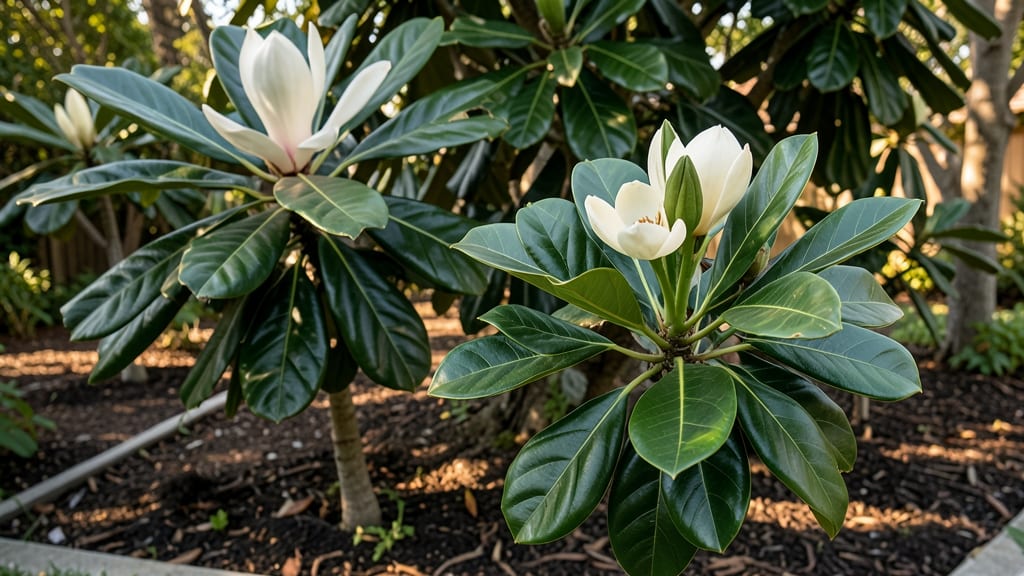
Planting a banana shrub magnolia transforms your yard into a fragrant, thorn-free paradise that thrives even in colder climates. 🌿 I've grown these beauties through three winters, and their glossy leaves and banana-scented blooms never fail to impress neighbors.
The secret lies in picking the right variety and mimicking their natural habitat.
These magnolias love well-draining soil mixed with compost and a spot with morning sun and afternoon shade—think dappled light under tall trees. They handle USDA zones 5-9, making them perfect for northern gardens where tender magnolias struggle.
Water deeply once established, but avoid soggy roots that invite fungal issues.
By late spring, you'll see clusters of creamy-white flowers that smell like overripe bananas, followed by red seed pods that birds adore. Prune lightly after flowering to maintain shape, and watch as this shrub grows 6-10 feet tall with minimal fuss.
The best part? No thorns to snag sleeves or paws.
Propagation is easy from seeds or cuttings—just be patient, as young plants take 2-3 years to mature. Even in tough climates, these shrubs reward gardeners with decades of low-maintenance beauty. Ready to add one to your landscape?
📚 In This Guide
- What you need
- Instructions
- Tips and common mistakes
- Wrapping up and next steps
What you need
- ● Banana shrub magnolia plant (e.g., Magnolia virginiana ‘Sweet Bay’ or M. × soulangeana ‘Banana’): 1–3 nursery-grown saplings (3–5 ft tall, 1–2 gal pots) or
- ● Seeds (fresh or stratified for better germination)
- ● Well-draining soil mix (equal parts): Garden soil
- ● Peat moss or coco coir
- ● Compost (for nutrients)
- ● Sand or perlite (for drainage)
- ● Organic mulch (2–3 inches): Pine straw, wood chips, or shredded leaves
- ● Slow-release fertilizer (balanced 10-10-10 or acidic 8-3-9)
- ● Watering can or hose with a gentle spray nozzle
- ● Pruning shears (sterilized, sharp)
- ● Garden gloves (for protection—thorns can be sneaky!)
- ● Trowel or spade (for digging planting holes)
- ● Measuring tape (to space plants 10–15 ft apart)
- ● Soil pH test kit (ideal range: 5.0–6.0)
- ● Epsom salt (for magnesium boost in acidic soils)
- ● Frost cloth (for young plants in Zone 6 or colder)
- ● Stakes & twine (to support top-heavy saplings in windy areas)
- ● Drip irrigation system (for consistent moisture)
Step-by-Step guide to planting and caring for cold-hardy banana shrub magnolias
Here's how to establish these fragrant, thorn-free beauties with confidence—no green thumb required.
🌱 Step 1: Choose the Right Location and Prepare the Soil
Banana shrub magnolias thrive in partial shade to full sun, but they handle heat and cold better than most magnolias. I always pick a spot with morning sun and afternoon shade—this prevents leaf scorch while letting them flower abundantly. The key is well-draining soil with a slightly acidic pH (5.5-6.5). Test your soil first; if it's heavy clay, amend with 2-3 inches of compost mixed into the top 12 inches of soil.
Dig a hole twice as wide as the root ball but only as deep—this encourages roots to spread horizontally rather than settling too low. Loosen the sides of the hole with a shovel to prevent root circling. If your soil is sandy, add a 5-gallon bucket of organic matter to the hole to improve moisture retention. The goal is soil that drains freely but holds enough moisture for deep roots.
🪴 Step 2: Plant at the Correct Depth and Stake for Support
Remove the magnolia from its container and gently tease the roots outward if they're circling. Place it in the hole so the top of the root ball sits 1-2 inches above ground level—this prevents stem rot from sitting water. Backfill with native soil mixed with a handful of slow-release fertilizer (10-10-10 ratio works well). Press firmly around the edges to eliminate air pockets but don't compact the soil.
Stake the plant immediately using 2-3 wooden stakes positioned 6 inches from the trunk in a triangle formation. Tie the trunk loosely to the stakes with soft plant ties—too tight now will girdle the stem as it grows. Water deeply right after planting to settle the soil and remove any air gaps. You'll know it's done when the soil surface looks even and slightly firm to the touch.
☀️ Step 3: Water Deeply and Mulch to Retain Moisture
Water the newly planted magnolia deeply for 10-15 minutes using a soaker hose or drip irrigation. This encourages roots to grow downward rather than staying shallow. After watering, apply 3 inches of mulch (pine bark or shredded leaves work best) in a 3-foot diameter circle around the base. Keep the mulch 6 inches away from the trunk to prevent rot. The mulch should look evenly spread with no clumps.
Water every 2-3 days for the first 2 weeks, then taper to once a week once new growth appears. Overwatering now causes root rot—check by sticking your finger 2 inches into the soil. If it feels dry, water again. Banana shrub magnolias are drought-tolerant once established, but young plants need consistent moisture to root deeply.
✂️ Step 4: Prune for Shape and Encourage Fullness
Prune your magnolia in late winter or early spring before new growth begins. Remove any dead, crossing, or diseased branches first using clean, sharp pruners. Cut just above a bud or lateral branch to encourage outward growth. Avoid heavy pruning—they bloom on old wood, so pruning too much reduces next year's flowers. I usually trim back no more than 20% of the plant's height.
Shape the shrub by thinning out overcrowded branches from the center to improve airflow. This prevents fungal diseases that thrive in damp, shaded interiors. After pruning, apply a balanced fertilizer (like 10-10-10) around the drip line in early spring to fuel new growth. You'll see fresh, vibrant foliage within 4-6 weeks—that's your sign the plant is thriving.
🌿 Step 5: Monitor for Pests and Adjust Care Seasonally
Check for scale insects or spider mites every 2 weeks during warm months. These pests love magnolias but are easy to spot—look for sticky residue (honeydew) on leaves or fine webbing on stems. Treat infestations with neem oil spray applied in the early morning to avoid harming bees. Spray until leaves glisten but avoid oversaturating the soil.
In winter, reduce watering to once every 3-4 weeks unless the ground is frozen. Banana shrub magnolias are cold-hardy down to USDA Zone 5, but young plants benefit from a thick layer of mulch (4-6 inches) around the base. This insulates roots and prevents heaving during freeze-thaw cycles. You'll know you're doing it right when the plant retains its leaves longer into fall and blooms earlier in spring.
Tips & tricks for thriving cold-hardy magnolias
Here's what I've learned after nurturing these fragrant shrubs through multiple seasons—simple adjustments that make all the difference.
Soil Preparation: Before amending your soil in Step 1, consider adding a handful of sulfur granules to the hole if your soil test shows a pH above 6.5. Banana shrub magnolias are particularly sensitive to alkaline soil, and this small step prevents yellowing leaves down the road. I've seen dramatic color improvements within weeks of proper pH correction. The key is mixing sulfur thoroughly with the native soil and watering it in immediately after planting.
Staking Strategy: In Step 2, use flexible plastic stakes instead of wooden ones if you're planting in windy areas. These bend slightly with the plant's movement, preventing the girdling that can occur with rigid stakes. I've had to replace wooden stakes after just one season when they cut into the bark as the plant grew. Position the stakes at a 45-degree angle for better stability without restricting growth.
Watering Wisdom: For the 10-15 minute deep watering in Step 3, use a rain gauge to measure exactly 1 inch of water. This ensures consistent moisture without guesswork. I've found that most garden hoses deliver about 0.5 inches per minute, so adjust your timing accordingly. The goal is to saturate the soil to a depth of 12 inches—this encourages deep root development that makes your magnolia drought-resistant once established.
Pruning Precision: When pruning in Step 4, always sterilize your tools with rubbing alcohol between cuts. This prevents spreading fungal spores that can cause dieback. I also recommend keeping a small notebook nearby to track pruning dates—this helps you remember when you last trimmed and ensures you're not overdoing it. The 4-6 week growth window after pruning is when your magnolia shows its most vibrant new foliage, so timing matters.
Pro Tips for Banana Shrub Magnolia
- Here's what I've learned after nurturing these fragrant shrubs through multiple seasons—simple adjustments that make ...
- Soil Preparation: Before amending your soil in Step 1, consider adding a handful of sulfur granules to the hole if yo...
- Staking Strategy: In Step 2, use flexible plastic stakes instead of wooden ones if you're planting in windy areas. Th...
Frequently asked questions
Got questions about growing banana shrub magnolia? You’re not alone! Here are answers to the most common queries—from planting to pruning and everything in between.
What’s the best time to plant banana shrub magnolia?
Plant in early spring (after the last frost) or fall (6–8 weeks before the first frost). This gives roots time to establish before extreme heat or cold. Avoid summer planting—heat stress can stunt growth. If you must plant in fall, choose a mild-climate variety like Magnolia virginiana for extra resilience.
How cold-hardy is banana shrub magnolia?
Most varieties tolerate USDA Zones 5–9, but M. virginiana (sweetbay magnolia) is the toughest, surviving down to Zone 5 with mulch protection. Young plants need winter wraps or burlap shields in harsh climates. Pro tip: Plant in sheltered spots to trap heat and shield roots from freezing winds.
When and how should I prune banana shrub magnolia?
Prune late winter or early spring (before new growth starts) to avoid removing flower buds. Use clean, sharp shears to trim dead or crossing branches—never cut more than 20% of the plant at once. Never prune after flowering, as it can reduce next year’s blooms. For thorn-free varieties, light shaping in spring keeps them tidy without stress.
What if my banana shrub magnolia isn’t flowering?
Common causes include young age (they take 3–5 years to bloom), over-pruning, or poor sunlight. Ensure it gets 6+ hours of sun and well-draining soil. If established but still bare, check for nutrient deficiencies (add compost) or root-bound pots (transplant if potted). Patience pays off—some varieties like M. ‘Little Gem’ bloom reliably once mature.
Can I grow banana shrub magnolia in containers?
Yes! Dwarf varieties like Magnolia ‘Black Tulip’ thrive in 15+ gallon pots with moist, acidic soil (pH 4.5–6.0). Use containers with drainage holes and repot every 2–3 years. Move pots indoors or to a sheltered spot in winter if temps drop below Zone 6 tolerance. Pro tip: Group containers to create microclimates that retain humidity.
Wrapping up and next steps
The banana shrub magnolia is a stunning, low-maintenance addition to any garden, offering fragrant blooms and cold-hardy resilience. Whether you’re drawn to its vibrant flowers or thorn-free branches, this plant thrives with the right care—well-draining soil, partial shade, and minimal pruning.
With patience and attention to its needs, you’ll be rewarded with years of beauty and fragrance.
Ready to transform your landscape? Start by selecting your variety—whether it’s Magnolia virginiana or another cold-hardy option—and plant it this season! Your future fragrant canopy awaits. 🌿✨