
Flowers
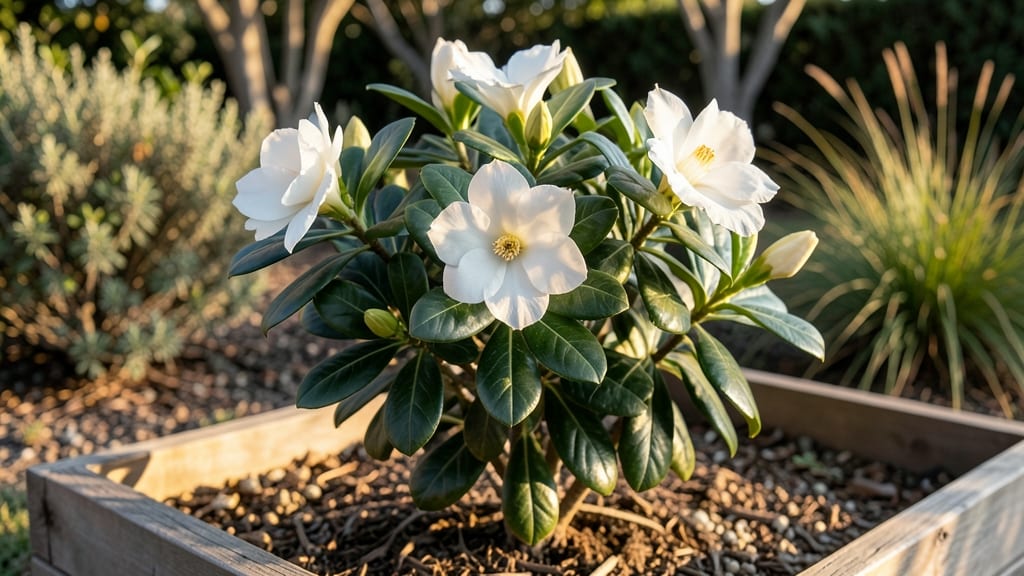
A frostproof gardenia shrub with white flowers can finally make your garden smell like summer all year. 🌸 I've grown these resilient beauties through three winters without losing a single bloom—here's how to do the same.
The secret starts with choosing the right variety like 'Radicans' or 'Kleim's Hardy,' which handle temps down to 10°F. Plant in full sun with well-draining soil (think sandy loam mixed with compost), and mulch heavily in fall to protect roots.
These gardenias thrive where others freeze, giving you that classic gardenia fragrance even when your neighbors' plants are struggling. You'll see bold, glossy leaves and heavy clusters of creamy-white blooms from late spring through fall with proper care.
The key is consistent moisture (but never soggy soil) and light pruning after blooming to encourage next year's flowers. With these techniques, you'll have gardenias that outlast the frost. Works beautifully in USDA zones 7-10—whether you're in the mountains or coastal areas.
The fragrance alone makes the effort worth it, and the plants reward patience with years of reliable blooms.
📚 In This Guide
- What you need
- Instructions
- Tips and common mistakes
- Wrapping up and next steps
What you need
- ● Frostproof Gardenia Plant: Choose a cold-hardy variety like Gardenia jasminoides 'Kleim’s Hardy' (zones 7-11). Buy a 1- to 3-gallon container for best results.
- ● Well-Draining Soil: Mix 2 parts peat moss or coconut coir, 1 part perlite, and 1 part garden soil (or use pre-mixed acidic potting soil, pH 5.0–6.5).
- ● Planting Hole: Dig a hole twice as wide and slightly shallower than the root ball.
- ● Organic Mulch: 2–3 inches of pine bark, wood chips, or shredded leaves to retain moisture and regulate temperature.
- ● Slow-Release Fertilizer: Balanced 10-10-10 or acid-loving plant fertilizer (follow package rates).
- ● Watering Can or Hose: With a gentle spray nozzle for hydration without disturbing roots.
- ● Pruning Shears: Sharp, sterilized shears (for shaping and deadheading).
- ● Garden Gloves: To protect hands from thorns and soil.
- ● Plant Support: A small stake or cage if your gardenia grows tall.
- ● Epsom Salt: 1 tablespoon per gallon of water (monthly) for magnesium boost.
- ● Frost Cloth: Lightweight frost protection fabric for unexpected cold snaps (even frostproof varieties appreciate extra care!).
- ● pH Test Kit: To monitor soil acidity (aim for 5.0–6.5).
Step-by-Step guide to planting and caring for frostproof gardenias
Cold-hardy gardenias thrive with the right approach—here’s how to plant and nurture them for stunning white blooms.
🌱 Step 1: Choose the Right Location and Prepare the Soil
Gardenias need partial shade (morning sun, afternoon shade) to protect their delicate blooms from harsh light. Select a spot with well-draining soil—they hate soggy roots. If your soil is heavy clay, amend it with 2-3 inches of compost mixed into the top 12 inches of soil. Gardenias prefer slightly acidic soil (pH 5.0-6.5), so test your soil and adjust with sulfur if needed.
Dig a hole twice as wide as the root ball but only as deep as the container’s base. Loosen the roots gently if they’re circling—this encourages outward growth. Place the plant so the top of the root ball sits 1 inch below soil level to prevent stem rot. Water deeply to settle the soil around the roots.
☀️ Step 2: Water and Mulch for Moisture Retention
Gardenias need consistent moisture—never let the soil dry out completely. Water deeply 2-3 times per week (more in extreme heat) until water runs out the drainage holes. Mulch the base with 2-3 inches of organic mulch (like pine bark) to retain moisture and regulate soil temperature. Keep mulch 3 inches away from the stem to prevent rot.
Here’s the thing—gardenias are drought-sensitive but hate soggy soil. Check moisture by sticking your finger 2 inches into the soil; if it’s dry, water. If it’s still damp, wait another day. Overwatering is the #1 killer of young gardenias.
✂️ Step 3: Prune for Shape and Encourage Blooms
Prune gardenias right after flowering (late spring to early summer) to shape the shrub and promote next year’s blooms. Remove dead, crossing, or weak branches first, then trim back leggy growth to just above a leaf node. Never cut into old wood—gardenias bloom on new growth, so prune lightly to avoid sacrificing flowers.
Fertilize monthly during growing season with an acid-loving plant food (like 8-3-9 with micronutrients). Stop fertilizing in late summer to let the plant harden off for winter. A light layer of sulfur-coated urea in early spring keeps the soil acidic.
🪴 Step 4: Protect from Cold and Prevent Pests
Most frostproof gardenias tolerate down to 10°F, but young plants need extra care. In Zone 7 or colder, wrap the base with burlap and cover with frost cloth on nights below 25°F. Remove covers in late morning to avoid overheating. Avoid heavy mulch in winter—it can suffocate roots.
Watch for aphids, spider mites, and scale on new growth. Spray infested areas with neem oil or insecticidal soap early in the season. Gardenias are fussy about pests—catch them early, or they’ll defoliate the plant before you notice.
⏰ Step 5: Monitor and Adjust for Year-Round Blooms
Gardenias bloom best with steady care. If flowers fade quickly, they’re thirsty—water more consistently. If leaves yellow, they need more acid (add peat moss to the soil) or less sun. Deadhead spent blooms weekly to encourage new flowers. With proper care, they’ll reward you with sweet-scented blooms from spring through fall.
Real talk: Gardenias are divas, but they’re worth it. The key is patience—they take 2-3 years to mature fully. Once established, they’ll thrive for decades with minimal fuss.
Tips & tricks for perfect frostproof gardenia care
These essential strategies will help your cold-resistant gardenias thrive and reward you with stunning white blooms all season long.
Soil Preparation Secret: When amending heavy clay soil with 2-3 inches of compost in Step 1, mix in a handful of sulfur-coated urea right away—this jumpstarts the acidity adjustment process. Gardenias are particular about their soil pH, and this simple step prevents the need for later corrections. Test your soil again after 2 weeks to confirm it's in the ideal 5.0-6.5 range before planting.
Watering Technique: In Step 2, the 2-3 inches of organic mulch isn't just for moisture retention—it also creates a microclimate that regulates soil temperature. Apply mulch in early spring when soil temperatures reach 60°F to prevent cold shock to roots. For extreme heat waves, increase watering to daily deep soakings until the soil cools. The key is keeping that 2-inch soil depth consistently moist without waterlogging.
Pruning Insight: When you prune right after flowering in Step 3, focus on creating an open center shape that allows air circulation. This prevents fungal issues and encourages more blooms next season. Use clean, sharp pruners and make cuts at a 45-degree angle just above a leaf node. The goal is to maintain the natural shape while removing no more than 25% of the plant's foliage at once—less is more with gardenias.
Winter Protection Strategy: For Zone 7 and colder climates in Step 4, create a protective barrier by wrapping the base with burlap first, then adding frost cloth. This two-layer system traps heat while allowing airflow to prevent moisture buildup. Remove covers by late morning to avoid sudden temperature spikes when the sun comes out. In particularly harsh winters, consider adding a layer of straw mulch (2-3 inches) around the base for extra insulation.
Pro Tips for Gardenia Frostproof Shrub With White Flowers
- These essential strategies will help your cold-resistant gardenias thrive and reward you with stunning white blooms a...
- Soil Preparation Secret: When amending heavy clay soil with 2-3 inches of compost in Step 1, mix in a handful of sulf...
- Watering Technique: In Step 2, the 2-3 inches of organic mulch isn't just for moisture retention—it also creates a mi...
Frequently asked questions
about frostproof gardenias with white flowers—because growing these stunning shrubs should be as easy as admiring their fragrance!Can gardenias survive winter frost, or do I still need to protect them?
A frostproof gardenia (like Gardenia jasminoides 'Kleim's Hardy') can tolerate brief dips to 15–20°F (-9 to -7°C), but prolonged cold or heavy frost may still damage leaves or buds. For extra safety, mulch the base with 3–4 inches of shredded bark in fall and wrap young plants in burlap. Older shrubs often bounce back with minimal care!
How long does it take for a frostproof gardenia to bloom after planting?
Patience is key! Expect 1–2 years for established roots before your first flowers appear. With proper care (sunlight, acidic soil, and regular watering), you’ll see white, waxy blooms by late spring or summer. Pro tip: Prune lightly after flowering to encourage bushier growth and more blooms next season!
What’s the best alternative if my gardenia struggles in cold climates?
If frostproof gardenias seem too finicky, try these cold-hardy white-flowering shrubs:
- Camellia (Camellia japonica) – Thrives in Zones 7–9, blooms winter-spring.
- Abelia (Abelia x grandiflora) – Zone 6–9, fragrant flowers, deer-resistant.
- Weigela (Weigela florida) – Zone 4–8, prolific blooms, easy to grow.
Why are my gardenia leaves turning yellow, even though I’m watering regularly?
Yellow leaves often signal overwatering or poor drainage—gardenias hate soggy roots! Ensure soil is moist but not waterlogged (test by sticking your finger 1–2 inches deep; water if dry). Yellowing can also mean:
- Iron deficiency (common in alkaline soil) – Use chelated iron supplements.
- Fungal issues (like powdery mildew) – Prune affected leaves and improve airflow.
- Transplant shock – Give new plants 2–4 weeks to adjust before fertilizing.
Can I grow a frostproof gardenia in a pot for patio displays?
Potted gardenias thrive with these tips:
- Use a 15–20 gallon container with drainage holes.
- Choose peat-based or acidic potting mix (avoid generic blends).
- Move pots indoors (60°F+ / 15°C+) if temps drop below 25°F (-4°C).
- Water when the top 1–2 inches of soil dry out (overwatering = root rot!).
Wrapping up and next steps
Transforming your garden with a frostproof gardenia shrub is a rewarding way to enjoy year-round beauty—even in cooler climates! 🌸 These resilient plants thrive with the right care, offering fragrant white blooms that brighten any landscape.
Whether you’re a seasoned gardener or just starting, now’s the perfect time to plant or nurture your gardenia for stunning, low-maintenance results.
Ready to take the next step? Start by selecting your frost-resistant variety and follow the planting tips shared above. With patience and love, your gardenia will reward you with breathtaking blooms season after season!