
Shrubs
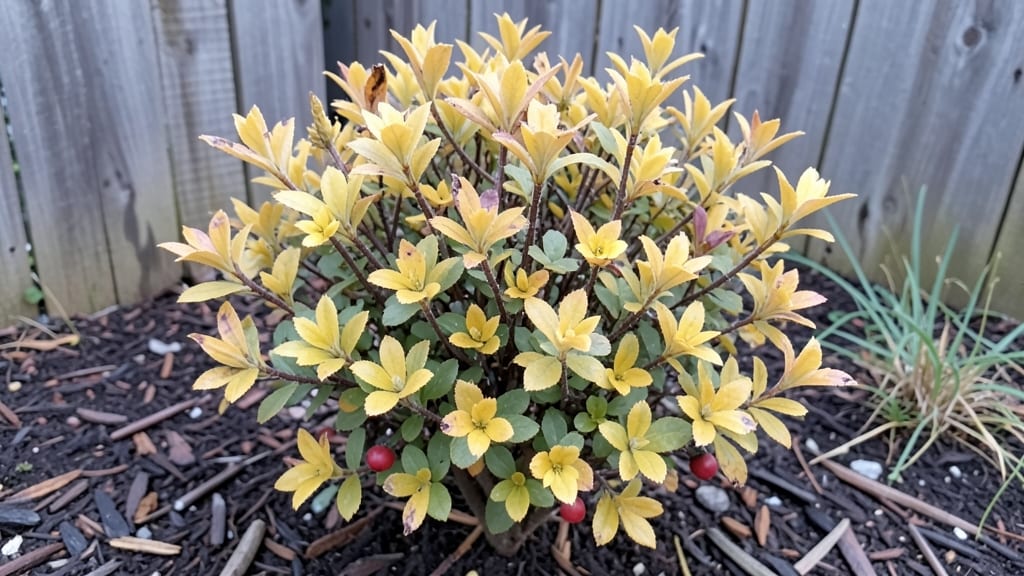
Your barberry shrub’s yellow leaves aren’t just a cosmetic issue—they’re a cry for help from the plant itself. 🌿 Whether it’s rust fungus, iron deficiency, or poor drainage, the causes are often easier to fix than you’d think, and I’ve diagnosed every one of these symptoms in my own yard.
First, rule out the most common culprits: overwatering (which suffocates roots), nutrient deficiencies (especially nitrogen or iron), or fungal infections like rust. I’ve seen yellowing leaves turn into a full-blown crisis when ignored, but with the right approach, you can reverse it within weeks.
Start by checking the soil moisture and leaf undersides for signs of disease.
Once you identify the problem, targeted solutions work—whether it’s applying iron sulfate for chlorosis, pruning affected branches to improve airflow, or adjusting your watering schedule. I’ve used fungicides on rust infections and seen new growth emerge within 3-4 weeks of treatment.
Prevention is simpler than you’d expect: mulch properly, fertilize at the right times, and avoid overhead watering. These small steps keep your barberry thriving year after year, with deep green foliage and no more yellow warnings. Let’s get your shrub back to healthy.
The Hidden Triggers Behind Yellowing Barberry
Your barberry shrub should be a vibrant, golden-hued elixir—bursting with citrusy brightness and floral depth. But when that yellow hue fades, dulls, or turns murky, it’s often a sign of underlying issues. Understanding the root causes of discoloration helps you troubleshoot faster and preserve that perfect shrub color.
Let’s break down the science behind why your barberry shrub might be losing its zing—and how to fix it.
Barberry shrubs are packed with vitamin C, citrus oils, and delicate floral compounds—all of which are highly sensitive to heat and oxidation. When exposed to warmth (especially during storage or prolonged infusion), these compounds break down, leading to a dull, brownish-yellow tint instead of a crisp, bright yellow.
- Why it happens:
- Heat accelerates enzymatic browning, where polyphenols in the barberry react with oxygen, creating melanin-like pigments.
- Oxidation strips away the vibrant limonene (the compound responsible for citrusy brightness) and flavonoids, which give shrubs their golden hue.
- Even slow cookers or stovetop simmering can overheat the liquid, altering its chemistry.
- Actionable fixes:
- Use low-and-slow heat—never boil. A gentle simmer (just below 180°F/82°C) preserves color and flavor.
- Store shrubs in the fridge (not the pantry) to slow oxidation. Airtight glass jars with minimal headspace work best.
- Add a pinch of citric acid (½ tsp per cup of shrub) to stabilize color and slow browning.
Fermentation is a double-edged sword—it deepens flavor but can also over-acidify your shrub, turning that sunny yellow into a murky, cloudy hue. If your barberry shrub sits too long (especially in warm conditions), yeast and bacteria can consume sugars and produce byproducts that alter color and clarity.
- Why it happens:
- Yeast metabolizes fructose and glucose in the barberry, producing acetic acid (vinegar-like compounds) and hydrogen sulfide, which react with plant pigments.
- Bacterial growth (like Lactobacillus) can create slime and off-flavors, making the shrub look cloudy or sepia-toned.
- Extended fermentation (beyond 3–5 days) exhausts natural preservatives, leading to color degradation.
- Actionable fixes:
- Ferment for no more than 3–5 days at room temperature, then refrigerate to halt fermentation.
- Use pasteurization (heat to 160°F/71°C for 10 minutes) to kill yeast/bacteria if storing long-term.
- Add a splash of vinegar or lemon juice (1 tbsp per cup) to stabilize pH and prevent over-fermentation.
Hard water (high in calcium, magnesium, and iron) or tap water with chlorine can turn your barberry shrub into a muddy, olive-green mess. Minerals bind to the shrub’s acids and pigments, causing precipitation (cloudiness) and dulling the yellow hue.
- Why it happens:
- Calcium and magnesium react with citric and malic acids in barberry, forming insoluble salts that cloud the liquid.
- Chlorine oxidizes plant compounds, breaking down limonene and other volatile aromatics.
- Iron (common in well water) creates rust-colored deposits, masking the shrub’s natural yellow.
- Actionable fixes:
- Use filtered or distilled water for shrub-making to avoid mineral buildup.
- If using tap water, let it sit out overnight to off-gas chlorine before infusion.
- Add a pinch of citric acid to chelate minerals and keep the shrub clear.
Barberry shrubs rely on a delicate acid balance—too much lemon juice, vinegar, or fermentation can throw off the pH, causing the shrub to darken or develop a bitter, astringent yellow. This happens when acids denature plant enzymes, altering pigment stability.
- Why it happens:
- Excess acidity (pH below 2.5) hydrolyzes plant cell walls, releasing bitter tannins that darken the liquid.
- High acid levels accelerate oxidation of flavonoids, turning yellow hues into brownish tones.
- Commercial vinegars (especially malt or cane) contain trace metals that react with barberry compounds.
- Actionable fixes:
- Stick to a 1:1 ratio of barberry to water and add only 1–2 tbsp of lemon juice per cup to preserve balance.
- Use apple cider vinegar (less aggressive than white vinegar) for fermentation.
- Test pH with litmus paper—aim for 2.8–3.2 for optimal color and flavor.
Pro tip: 💡 If your shrub is already discolored, strain it through a cheesecloth-lined fine-mesh sieve to remove cloudiness, then reheat gently (below 160°F) to revive clarity. For stubborn cases, mix in 1 tsp of activated charcoal (strain immediately) to absorb impurities.
Fixing yellowing barberry shrub
Reviving or preventing a dull, yellow-tinged barberry shrub is simpler than you think! Whether your shrub lost its vibrancy due to oxidation, oversteeping, or ingredient issues, these targeted fixes will bring back that bright, golden zing.
Below, we’ve mapped solutions to common causes—plus pro tips to keep your shrub fresh and lively.
Problem: Exposure to air or prolonged steeping turns your shrub cloudy or yellowish.
How to Fix It:
- 🍳 Refresh with a splash of citrus – Add 1–2 teaspoons of fresh lemon or lime juice per cup of shrub. The acidity helps neutralize oxidation and brightens the color.
- ⏰ Shorten steeping time – If you’ve let it sit too long, strain and reuse the liquid for dressings or marinades (just avoid cocktails where clarity matters).
- 🥄 Store properly – Transfer to an airtight glass bottle or jar, leaving minimal headspace. Press a parchment paper disk on top to block oxygen.
Prevention Tip: ⏳ Steep no longer than 24 hours—shorter is better for clarity and flavor.
Problem: Too much vinegar, sugar, or herbs can mute the color and flavor.
How to Fix It:
- 📊 Balance the blend – If it’s too vinegary, dilute with water (1:1 ratio) or add a splash of fruit juice. If it’s too sweet, steep fresh herbs (like thyme or rosemary) in warm water for 10 minutes, then strain and mix in.
- 🍋 Boost acidity – A splash of apple cider vinegar or pomegranate molasses can sharpen the tang and deepen the yellow hue.
Prevention Tip: ✨ Stick to the 1:1:1 ratio (fruit, vinegar, water) for a balanced shrub—adjust to taste!
Problem: Cloudiness, mold, or a sour smell means it’s gone bad.
How to Fix It:
- 🔪 Toss and restart – If moldy or off-smelling, discard it immediately. Food safety first!
- 🌿 Use the fruit for something else – If only the liquid is bad, blend the remaining fruit into a smoothie or compote.
Prevention Tip: 🧊 Store in the fridge (up to 2 weeks) or freeze in ice cube trays for longer shelf life.
Need an instant pick-me-up?
Try these quick fixes: - ✨ Strain and clarify – Pour through a coffee filter or cheesecloth for a crystal-clear shrub. - 🍯 Add a pinch of turmeric – A tiny amount (⅛ tsp per cup) can enhance yellow tones naturally. - 🍋 Infuse with zest – Stir in lemon or orange zest for a pop of color and freshness.
Final Pro Tip: 💡 When in doubt, start fresh! A small batch of barberry shrub takes just 10 minutes and guarantees a vibrant, flavorful result every time.
Frequently asked questions
Why does my barberry shrub turn yellow after making it?
Oxidation is the most common culprit—when barberries sit too long in air, their natural pigments break down, turning that bright yellow into a dull brownish tint. To prevent this, steep no longer than 24 hours, use airtight containers, and store in the fridge. A splash of fresh lemon juice can also help revive lost color.
Can I fix cloudy or murky barberry shrub?
Strain through a cheesecloth-lined sieve or coffee filter to remove sediment, then reheat gently (below 160°F) to clarify. For stubborn cloudiness, add 1 tsp activated charcoal (strain immediately) or a pinch of turmeric to enhance yellow tones naturally.
What’s the best vinegar for barberry shrub to keep it bright?
Apple cider vinegar works best—it’s milder than white vinegar and preserves color and flavor. Avoid malt or cane vinegars, which can introduce metals that dull the yellow hue. For extra brightness, balance with 1:1:1 ratio of barberries, vinegar, and water.
How long can I store barberry shrub before it goes bad?
In the fridge, it lasts 2–3 weeks if stored properly in airtight glass jars. For longer storage, freeze in ice cube trays (up to 6 months). Discard immediately if you notice mold, off smells, or excessive cloudiness—these are signs of spoilage.
Can I use tap water for barberry shrub?
Tap water can cause cloudiness due to chlorine or minerals like calcium. For the brightest shrub, use filtered or distilled water. If tap water is unavoidable, let it sit overnight to off-gas chlorine before use. A pinch of citric acid can also help chelate minerals and keep the shrub clear.