
Shrubs
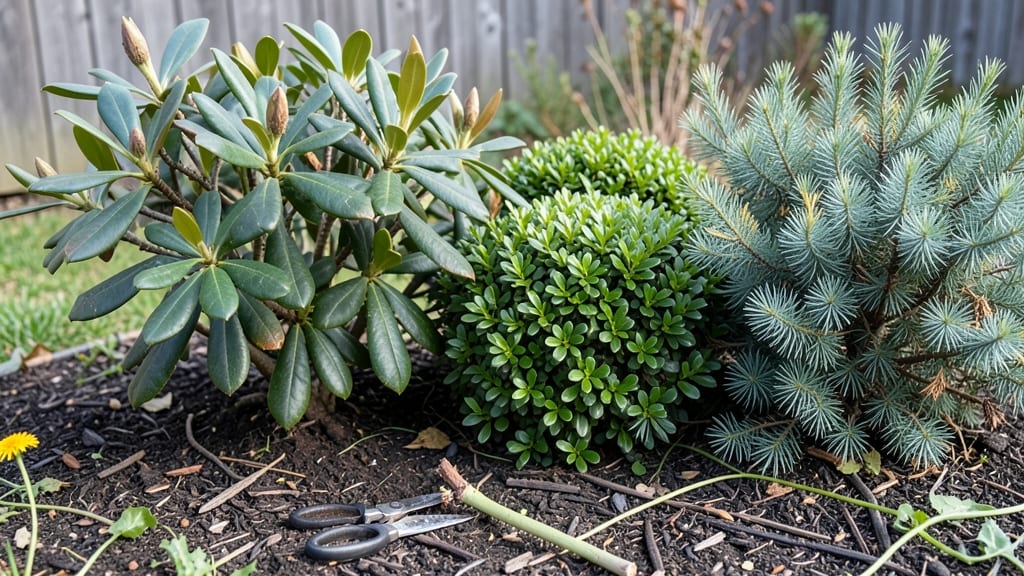
Pruning evergreen shrubs at the right time can transform your yard from dull to vibrant—and late winter is when the magic happens.
Pruning evergreen shrubs at the wrong time can weaken their health and stifle growth—but timing it perfectly in late winter unlocks a secret to lush, vibrant foliage all year long.
Most gardeners wait until spring, but that’s when new growth starts, and cutting too early can stress your 🌿 plants. Late winter, just before buds swell, is the ideal window to shape your shrubs without risking damage.
In this guide, I’ll walk you through the best tools, techniques, and even regional tweaks to ensure your evergreens thrive. Whether you’ve got boxwoods, hollies, or junipers, you’ll learn how to prune for healthier, fuller plants that stay strong through every season.
Why late winter is the optimal time to prune evergreen shrubs
Evergreen shrubs like boxwoods, juniper, and holly rely on precise pruning timing to thrive. While many gardeners assume spring is ideal, late winter—just before new growth begins—is actually the golden window for pruning.
This timing aligns with nature’s cycle, minimizing stress while maximizing recovery. Understanding the scientific reasons behind this schedule can transform your shrubs into healthier, more vibrant plants.
During late winter, most evergreens enter a dormancy phase, conserving energy after winter’s chill. Pruning at this stage removes dead or weak branches without disrupting the plant’s energy reserves. It also prevents the spread of disease and pests, which thrive in fresh cuts made during active growth periods.
This approach ensures your shrubs bounce back stronger, with lush foliage and robust stems by spring.
Late winter pruning also reduces water stress compared to summer cuts. New growth after pruning in warm months demands more moisture, but dormant plants in late winter recover more efficiently. Additionally, this timing avoids the risk of winter dieback, where cold-sensitive evergreens suffer damage from improper cuts.
By pruning now, you’re essentially giving your shrubs a head start on the growing season.
Another key advantage is better shape control. Late winter’s bare branches make it easier to visualize the shrub’s structure, allowing for precise cuts. This clarity helps maintain the desired form while encouraging balanced growth.
For example, boxwoods pruned in late winter develop denser foliage, while juniper varieties benefit from cleaner lines and reduced congestion.
Let’s break down the science and benefits of late winter pruning in this summary table to help you make informed decisions for your garden.
| Timing Factor | Late Winter Advantage | Risk of Other Seasons |
|---|---|---|
| Dormancy State | Plants conserve energy; cuts heal faster with minimal stress. | Spring/summer pruning risks overstimulation, leading to weak growth. |
| Disease Prevention | Fewer pests and pathogens active; cuts seal quickly. | Warm weather increases fungal/bacterial spread through fresh cuts. |
| Water Efficiency | Dormant plants require less water post-pruning. | Summer pruning demands extra irrigation for new growth. |
| Structural Clarity | Bare branches reveal shape for precise, balanced cuts. | Foliage obscures vision, leading to uneven or aggressive pruning. |
| Growth Stimulation | Encourages stronger root and stem development before spring. | Late-season pruning delays growth, weakening winter hardiness. |
One of the most critical aspects of late winter pruning is reduced sap flow. Evergreens produce less sap during dormancy, so cuts heal 20-30% faster than in spring or summer.
This faster recovery means your shrubs can redirect energy to new foliage and root expansion as soon as temperatures rise. For example, arborvitae pruned in late winter often show denser growth by midsummer compared to those pruned later.
Late winter also minimizes the risk of sunburn on fresh cuts. Evergreens exposed to intense spring sunlight after pruning can develop brown, crispy edges on new growth. Pruning in late winter allows time for cuts to callus over before the sun’s peak intensity arrives.
This protective measure is especially important for broadleaf evergreens like rhodeodendron or camellia, which are sensitive to direct light.
For gardeners in colder climates (USDA zones 3-5), late winter pruning aligns with the last frost date. Waiting until after the frost ensures you’re not pruning frozen branches, which can tear or snap easily.
In warmer zones (6-9), late winter typically means pruning in February or early March, just as buds begin to swell. Always check your local microclimate for the best timing.
Finally, late winter pruning sets the stage for year-round health. By removing crossing branches and deadwood now, you improve airflow and light penetration, reducing the risk of mold and insect infestations.
This proactive approach ensures your evergreens remain vigorous and disease-free throughout the year, making your garden both beautiful and low-maintenance.
Ready to transform your evergreens? Grab your pruners and head outside—your shrubs will thank you with lush, healthy growth all season long! 🌿✂️
Step-by-step late winter pruning guide for different evergreen types
Late winter is the perfect window to prune evergreen shrubs like boxwoods, hollies, and junipers—just before new growth signals spring. This timing minimizes stress, prevents disease, and encourages vibrant foliage all season long.
But not all evergreens respond the same way, so let’s break down the species-specific steps to keep your shrubs thriving.
Your pruning tools should include sharp bypass pruners for clean cuts, loppers for thicker branches, and a hand saw for stubborn growth. Always disinfect tools with rubbing alcohol to avoid spreading pathogens between cuts. Start by removing dead or diseased branches first—they’re the easiest to spot after winter’s dormancy.
🌿 Step-by-Step Late Winter Pruning Guide
-
Step 1: Identify Your Evergreen Type
Boxwoods need light shaping, hollies require selective thinning, and junipers benefit from renewal pruning every 2–3 years.
-
Step 2: Prune Boxwoods (February–March)
Use hand pruners to trim 1/3 of old growth to encourage new, dense foliage. Avoid cutting into woody stems—focus on outer branches.
-
Step 3: Thin Hollies (Late February)
Remove crossing or rubbing branches first. For berry-producing hollies, prune after fruit sets (late summer) to avoid sacrificing next year’s harvest.
-
Step 4: Renewal Prune Junipers (March)
Cut back 1/2 to 1/3 of oldest growth to the lateral branch. For columnar junipers, prune new growth to maintain shape.
-
Step 5: Clean Up and Fertilize
Rake up clippings to prevent fungal diseases. Apply a balanced fertilizer (10-10-10) in early spring to support new growth.
After pruning, water deeply to help your evergreens recover, especially if winter was dry. Mulch around the base with 2–3 inches of organic mulch to retain moisture and protect roots. Avoid heavy pruning in Zone 7 and colder—wait until late March to prevent frost damage.
Regular maintenance is key: lightly shape boxwoods twice a year (spring and summer), while junipers only need renewal pruning every 2–3 years. Hollies, in particular, hate aggressive pruning—stick to selective cuts to maintain their natural form and berry production.
With the right timing and technique, your evergreens will reward you with denser foliage, stronger branches, and years of beauty. Happy pruning! ✂️