
Pruning
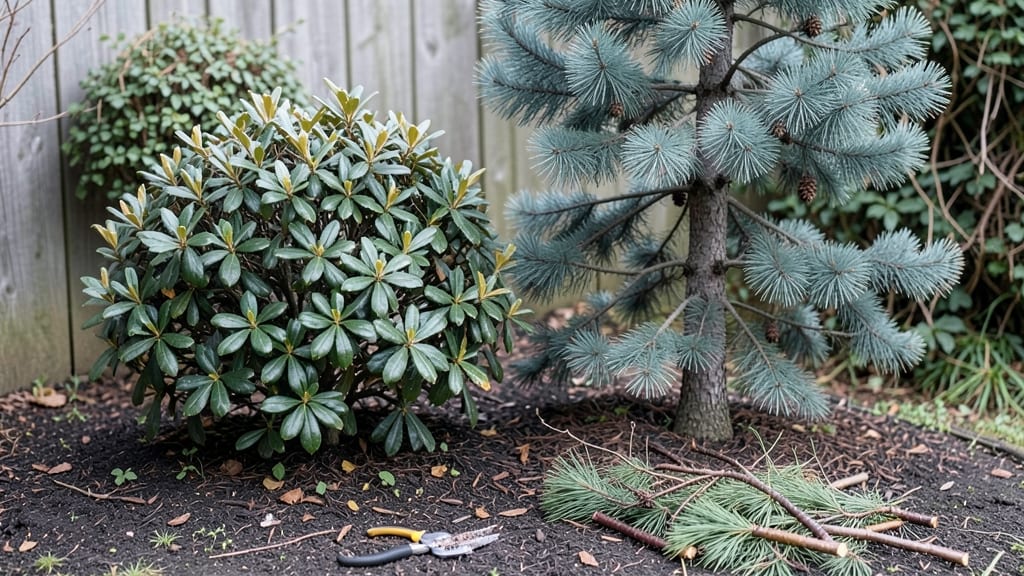
Pruning evergreen trees and shrubs keeps them looking sharp and thriving all year—if you do it right. ✂️ I’ve spent years learning the difference between a cut that invigorates growth and one that leaves a plant struggling for years, and the secret isn’t just timing.
It’s about understanding how each type of evergreen reacts to a trim, whether it’s a pine, boxwood, or holly.
The right tools and timing make all the difference: sterilized pruners to avoid disease, late winter for most broadleaf evergreens, and early summer for conifers. Most people over-prune or cut at the wrong time, which can leave plants vulnerable to pests or even dieback.
But once you master the basics, your evergreens will stay fuller, healthier, and safer for your home or landscape.
By the end of this, you’ll know exactly where to cut—how far back, at what angle—and which branches to leave alone. Your shrubs will stay compact, your trees will grow stronger, and you’ll avoid the common mistakes that turn a simple trim into a disaster.
Let’s get started with the right approach for your specific plants.
Whether you’re dealing with a towering pine or a neatly trimmed boxwood hedge, the principles stay the same. We’ll cover the tools, the seasons, and the species-specific tricks that make evergreens look their best year-round. No guesswork—just proven techniques for lush, long-lasting growth.
📚 In This Guide
- What you need
- Instructions
- Tips and common mistakes
- Wrapping up and next steps
What you need
- ● Hand Pruners: Bypass pruners (sharp, 6–8” blades) for clean cuts on small branches. Quantity: 1 pair.
- ● Loppers: For thicker branches (½–2” diameter). Quantity: 1 pair (long-handled for reach).
- ● Pruning Saw: Curved-tooth saw for branches >2” thick. Quantity: 1 (avoid straight blades—they tear wood).
- ○ Extension Pole: 6–10’ telescoping pole with pruner/lopper attachment for high branches. Optional but handy!
- ● Gloves: Heavy-duty, cut-resistant gloves (e.g., mechanics’ or pruning gloves). Quantity: 1 pair.
- ● Safety Gear: Safety glasses (to shield from debris).
- ● Closed-toe shoes/boots.
- ● Long sleeves/pants (protection from sap and thorns).
- ● Disinfectant: 70% isopropyl alcohol or bleach solution (1 part bleach to 9 parts water) to sterilize tools between cuts (prevents disease spread). Quantity: Small spray bottle.
- ● Trash Bags: Heavy-duty bags (10–20 gallon) for debris. Quantity: 2–3.
- ○ Ladder (if needed): Sturdy, 3-section ladder (rated for your weight + tools). Optional: Only for branches >10’ high.
- ● Weather Check: Prune on a dry, calm day (avoid wind/rain). Early morning or late afternoon is ideal.
- ● Tree/Shrub Knowledge: Research your specific evergreen (e.g., pine, juniper, boxwood) to identify: Growth patterns (e.g., coniferous vs. broadleaf evergreens).
- ● Dormant vs. active growth periods (season-specific tips in the article!).
- ● Safety First: Check for power lines or obstacles near branches.
- ● Have a buddy spot you if using a ladder.
- ○ Cleanup Supplies: Rake or broom for fine debris (optional).
Step-by-step guide for pruning evergreen trees and shrubs
Pruning evergreens at the right time keeps them healthy and beautiful all year—here's how to do it season by season.
☀️ Step 1: Prune in Late Winter for Spring Growth
Late winter, just before buds swell, is the best time to prune most evergreens. You'll see new growth starting soon, so timing matters. Choose a dry day when temperatures are above 40°F to avoid stressing the plant. Focus on removing dead, diseased, or crossing branches first—they're easy to spot against the dormant foliage.
Use sharp, clean pruners to make cuts just outside the branch collar, where the branch meets the trunk. This ensures a clean wound that heals faster. For larger branches, cut in stages to avoid tearing the bark. Limit pruning to no more than 25% of the plant's total foliage—evergreens are sensitive to heavy cuts.
✂️ Step 2: Light Pruning in Early Summer for Shape
After the spring flush of growth, do a lighter pruning in early summer to shape the plant. Look for branches growing inward or rubbing against others—these compete for space and can create weak points. Remove them at the base to encourage outward growth. You'll notice new shoots forming along the remaining branches, signaling healthy regrowth.
For shrubs like juniper or arborvitae, trim back overgrown tips to maintain their natural shape. Avoid cutting into old wood—evergreens don't regrow from bare stems. If you see yellowing or browning needles, prune those branches back to green growth. This keeps the plant looking fresh and prevents disease from spreading.
🌿 Step 3: Minimal Trimming in Fall for Cleanup
Fall pruning should be light and focused on cleanup. Remove any dead or diseased branches that appeared over the summer. You might also trim back any new growth that looks weak or spindly—it won't survive winter well. Avoid heavy pruning now, as evergreens need their foliage to protect them from cold winds and frost.
If you have broadleaf evergreens like holly or boxwood, this is the time to prune them lightly to shape. Use a fine-toothed saw for thicker branches to keep cuts smooth. After pruning, apply a thin layer of mulch around the base to insulate the roots. Evergreens are drought-tolerant, but winter winds can dry out the soil—mulch helps retain moisture.
⏰ Step 4: Avoid Pruning in Spring or Early Summer
Here's the thing—spring and early summer are the worst times to prune most evergreens. New growth is already pushing out, and heavy pruning can stress the plant when it's trying to establish itself. You'll see leggy growth or weak branches if you cut back too much during this time. Instead, focus on shaping lightly in early summer after the initial flush.
If you must prune in spring, do it early and only remove dead or damaged branches. Avoid cutting into live tissue, as it can invite pests or disease. Evergreens heal slowly, so clean cuts are critical. Always sterilize your tools with rubbing alcohol between cuts to prevent spreading any pathogens that might be hiding in the plant.
Tips & tricks for pruning evergreen trees and shrubs
These season-specific tricks will help you prune like a pro and keep your evergreens thriving year after year.
Timing is Everything: The late winter pruning window (just before buds swell) is your golden opportunity to remove dead or crossing branches without stressing the plant. I always check for fresh growth—if you see new buds forming, you've waited too long. The 40°F minimum temperature rule is critical too; pruning in colder weather can shock the plant, especially delicate varieties like azaleas.
The 25% Rule: Never remove more than 25% of the foliage in a single session—this is non-negotiable for evergreens. They store nutrients in their needles, and heavy pruning can starve the plant. I learned this the hard way when I over-pruned a juniper and nearly lost it. Think of it like giving your plant a haircut: you wouldn't shave your head bald, would you?
Cutting Technique Matters: Always make clean cuts just outside the branch collar where the branch meets the trunk. This creates a smooth surface that heals faster and prevents disease. For larger branches, cut in stages to avoid tearing the bark—evergreens heal slowly, so clean cuts are essential. I keep a small brush handy to clean up any sap or debris after cutting to prevent pests from taking advantage of fresh wounds.
Seasonal Focus: Each season has its own purpose—late winter for structural pruning, early summer for shaping, and fall for cleanup. In early summer, I look for branches growing inward or rubbing against each other, as these compete for space and can create weak points. For fall cleanup, focus on removing only dead or diseased branches—evergreens need their foliage to protect them from winter winds.
Pro Tips for Pruning Evergreen Trees And Shrubs
- These season-specific tricks will help you prune like a pro and keep your evergreens thriving year after year.
- Timing is Everything: The late winter pruning window (just before buds swell) is your golden opportunity to remove dead or crossing branches without stressing the plant.
- The 25% Rule: Never remove more than 25% of the foliage in a single session—this is non-negotiable for evergreens.
Frequently asked questions
Got questions about pruning evergreens? You’re not alone! Here are the answers to some of the most common concerns—so you can trim with confidence and keep your plants thriving all year.
When is the best time to prune evergreen trees and shrubs?
The ideal time depends on your goal: light pruning (to shape or remove dead branches) can happen anytime, but heavy pruning is best in late winter or early spring (before new growth starts). Avoid pruning in fall—it can expose plants to cold stress or pests. For flowering evergreens, wait until after they bloom.
Can I prune evergreens in winter? What about frost?
Yes, but with caution! Prune on mild, frost-free days (above 40°F/4°C). Avoid heavy cuts in freezing temps—it can shock the plant. If you must prune in winter, do so early in the day when temps are warmer. Never prune wet or icy branches—they’re more likely to tear.
What if I prune too much? Can I fix over-pruned evergreens?
Over-pruning can stress evergreens, but they’re resilient! If you’ve cut too much, stop immediately and focus on light maintenance next season. Water deeply, fertilize (if needed), and avoid heavy pruning for 1–2 years. Some evergreens may take years to recover, but most will bounce back with patience.
Will pruning evergreens attract pests or diseases?
Pruning correctly reduces pest/disease risks, but poor cuts (like jagged tears or leaving stubs) can invite trouble. Always use clean, sharp tools and disinfect them between cuts (rubbing alcohol works). Remove all diseased or infested branches first, then dispose of them far from your yard.
Do I need to seal pruning cuts on evergreens?
Nope! Unlike some hardwoods, evergreens don’t need sealant—their natural resin helps protect cuts. Sealing can actually trap moisture, leading to rot. Just make clean cuts at a 45-degree angle (for branches > ½ inch thick) to promote faster healing. Let nature do the rest!
Wrapping up and next steps
Pruning evergreen trees and shrubs is your secret to vibrant, healthy greenery that thrives year-round! 🌿 Whether you're shaping a dense shrub or encouraging new growth, the right timing and technique make all the difference.
Now that you’re armed with the knowledge—from tools to seasonal tips—it’s time to roll up your sleeves and transform your landscape.
Ready to take the next step? Start small—pick one plant this season and observe how pruning boosts its beauty and health. Over time, you’ll master the art, and your garden will thank you with lush, resilient foliage!