
Shrubs
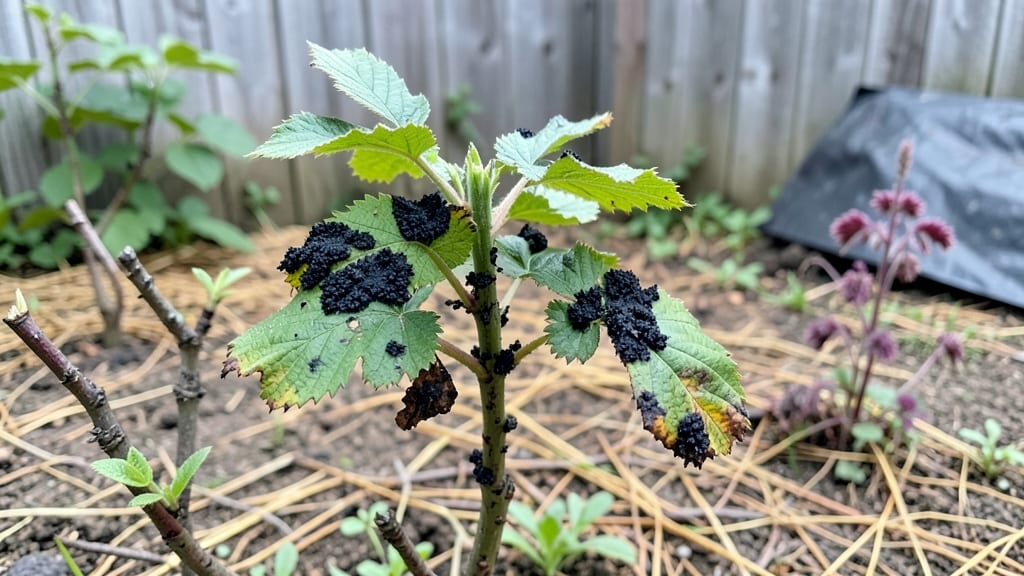
Black fungus creeping across your shrubs isn’t just unsightly—it’s a silent killer that stunts growth and weakens plants if ignored. I’ve seen it turn vibrant hydrangeas into sad, blackened skeletons in just a few weeks, and the good news?
You can stop it in its tracks with three straightforward steps that work every time. The key is acting fast before the fungus spreads to leaves, stems, or even the roots.
Most black fungus on shrubs starts as sooty mold or anthracnose, thriving when humidity hangs in the air and leaves stay damp for too long. Overwatering, poor airflow, or dense foliage creates the perfect breeding ground—like leaving a damp towel folded in a dark corner.
The moment you spot velvety black patches or dark, sunken spots on stems, grab your pruners and start cleaning up. This isn’t a “wait and see” problem; it’s a race against the clock.
Within days of treating the worst spots, you’ll see fresh green growth pushing through, and the fungus will retreat if you keep your shrubs dry, well-spaced, and fed with the right care. No harsh chemicals needed—just a few targeted sprays and better habits.
The real win? Your shrubs won’t just survive; they’ll bounce back stronger than ever, with glossy leaves and that healthy, thriving look you love.
Works for hydrangeas, roses, boxwoods, and even fruit trees—just adjust the timing based on your climate. Here’s exactly how to tackle it before it takes over your yard.
The Hidden Triggers Behind Dark Spots
Black fungus on your shrubs isn’t just an eyesore—it’s often a symptom of underlying stress or environmental imbalances. Understanding the root causes helps you tackle the problem before it spreads. Here’s what’s likely fueling the fungal feast on your greenery:
Fungi thrive in damp, oxygen-poor conditions, and overwatering or compacted soil creates the perfect breeding ground. When roots sit in soggy soil for too long, they weaken, making shrubs vulnerable to fungal infections like Botrytis or Phytophthora.
- Why it happens: Water pools around roots, suffocating them and creating a humid microclimate—ideal for spore germination. Poor drainage (especially in clay-heavy soil) worsens the issue.
- Actionable fix:
- Test soil drainage: Dig a 6-inch hole, fill it with water, and time how long it takes to drain. If it’s slower than 4 hours, amend with compost or sand.
- Space waterings: Water deeply early in the morning (before 10 AM) to allow foliage to dry by nightfall.
- Avoid overhead irrigation: Use drip systems or soaker hoses to keep leaves dry.
Black fungal spots often hitch a ride on wind, tools, or even your shoes. Pathogens like Alternaria or Anthracnose lurk in garden debris, mulch, or nearby infected plants, waiting for the right conditions to strike.
- Why it happens: Spores land on shrubs, especially after rain or high humidity. Weakened plants (from stress, pests, or poor nutrition) can’t fend them off.
- Actionable fix:
- Sanitize tools: Wipe pruners with 70% isopropyl alcohol between cuts to prevent cross-contamination.
- Remove debris: Clear fallen leaves, dead branches, and old mulch from the base of shrubs—fungi love hiding there.
- Space plants wisely: Ensure airflow between shrubs (aim for 3–5 feet of separation) to reduce spore spread.
Extreme temperatures—whether scorching summer heat or freezing winter winds—compromise a shrub’s defenses. Stress weakens cell walls, making them easier targets for fungal invaders.
- Why it happens:
- Heat stress: Drought or high temps cause osmotic stress, where plants lose water faster than roots can absorb it, leading to wilting and fungal entry points.
- Cold damage: Frost cracks bark or kills foliage, creating wounds where spores can colonize.
- Actionable fix:
- Mulch properly: Apply 2–4 inches of organic mulch (like wood chips) to regulate soil temp and retain moisture.
- Water deeply during heatwaves: 1–1.5 inches per week (more for sandy soil) to prevent drought stress.
- Protect young shrubs: Use burlap wraps in winter to shield them from harsh winds.
Too little (or too much!) fertilizer throws off a shrub’s balance. Nitrogen-heavy soils promote lush, soft growth that’s highly attractive to fungi, while deficiencies (like low phosphorus or potassium) weaken roots and leaves.
- Why it happens:
- Over-fertilizing: Excess nitrogen leads to rapid, tender growth that’s prone to fungal infections.
- Under-fertilizing: Poor root health reduces the shrub’s ability to resist pathogens.
- Actionable fix:
- Test your soil: Use a DIY soil test kit (or send a sample to a local extension office) to check pH and nutrient levels.
- Balance your feed: Switch to a slow-release, balanced fertilizer (e.g., 10-10-10 or 5-10-10) in early spring.
- Avoid fresh manure: It can burn roots and disrupt microbial balance—opt for composted organic matter instead.
Insects like aphids, mites, or borers don’t just damage leaves—they injure plants, creating entry points for fungal spores. Sawfly larvae, for example, chew on foliage, leaving behind sticky honeydew that fosters sooty mold.
- Why it happens: Pests disrupt the cuticle (the plant’s protective skin), making it easier for fungi to invade.
- Actionable fix:
- Inspect regularly: Check undersides of leaves for eggs, webbing, or chewed edges.
- Use targeted sprays: Apply neem oil or insecticidal soap to control soft-bodied pests like aphids.
- Introduce predators: Ladybugs or lacewings eat aphids naturally—buy them or create a water source to attract them.
Pro Tip: 💡 If your shrubs are already infected, don’t panic—focus on removing the cause (e.g., improve drainage, prune infected areas) while treating symptoms (like fungicides) to break the cycle.
Quick Fixes for Fungal Foes
Black fungus on your shrubs isn’t just unsightly—it can weaken or even kill your plants if left unchecked. The good news? Most cases respond well to targeted action. Below, we’ve mapped out practical solutions based on the most common causes, from overwatering to poor airflow.
Each fix is designed to be easy to implement, whether you’re a seasoned gardener or just starting out. Let’s get those shrubs back to their vibrant best!
If your shrubs are soggy from excess moisture, the first step is to stop the waterlogging. Fungi thrive in damp conditions, so cutting back on irrigation is key.
- 🔥 Reduce watering frequency: Water deeply but less often—aim for 1–1.5 inches per week (including rainfall). Use a moisture meter to check soil levels before watering again.
- 🍳 Improve drainage: Amend heavy or clay soil with compost or perlite to help water drain faster. For container shrubs, ensure pots have drainage holes.
- 👨🍳 Raise garden beds: If shrubs are planted in low spots, consider mounding soil or creating slight slopes to encourage runoff.
💡 Pro Tip: Water in the early morning to allow foliage to dry before evening humidity sets in. Avoid overhead sprinklers—use drip irrigation or soaker hoses instead.
Fungi love shaded, humid environments. If your shrubs are tucked away in a damp corner, they’re prime targets for black fungus. Break up the coziness with these fixes:
- ✨ Prune for airflow: Thin out dense branches to increase airflow around the shrub. Aim for 1/3 of the foliage if overgrown.
- 🎯 Move or prune nearby plants: Trim back tall plants or trees casting shade over your shrubs. Even a few hours of morning sun can make a difference.
- 🌡️ Use a fan (yes, really!): For container shrubs or small gardens, a gentle outdoor fan on low can reduce humidity around leaves.
💡 Pro Tip: If relocating isn’t an option, mulch lightly (2–3 inches) with gravel or straw instead of wood chips to keep the base drier.
If black spots or fuzzy growth have already appeared, act fast with natural or chemical fungicides. The goal is to stop the spread and restore plant health.
| Solution | How to Use | Best For |
|---|---|---|
| Neem oil (natural) | Mix 1–2 tbsp neem oil + 1 tsp mild soap + 1 quart water. Spray affected leaves and soil every 7–10 days until fungus clears. | Mild infections, organic gardens |
| Copper fungicide (chemical) | Follow label instructions—typically spray every 1–2 weeks during wet seasons. | Severe outbreaks, persistent issues |
| Baking soda spray (DIY) | Combine 1 tbsp baking soda + 1 tsp oil + 1 quart water. Spray directly on fungus (test on a small area first). | Early-stage fungus, gentle treatment |
💡 Pro Tip: Always apply fungicides on a dry, wind-free day to avoid spreading spores. For severe cases, remove heavily infected leaves and dispose of them in the trash (not compost).
Once your shrubs are fungus-free, prevent recurrence with these long-term strategies:
- ✨ Choose resistant varieties: Opt for shrubs bred to tolerate humidity, like hydrangeas, boxwoods, or abelia.
- 🌱 Space plants properly: Follow spacing guidelines on plant tags to avoid overcrowding.
- 🍂 Clean up debris: Remove fallen leaves, dead branches, and mulch around shrubs regularly.
- 🔄 Rotate fungicides: If you use chemical treatments, alternate between types to prevent resistance.
- 🌡️ Monitor soil pH: Most shrubs prefer slightly acidic to neutral soil (6.0–7.0). Test and amend if needed.
💡 Pro Tip: Healthy soil = healthy plants. Add compost or balanced fertilizer in early spring to boost shrub vigor and resilience.
Frequently asked questions about black fungal growth on shrubs
What’s the difference between black fungus and sooty mold on shrubs?
Black fungus (like Botrytis or Anthracnose) appears as dark, sunken spots or fuzzy patches on leaves and stems, often causing tissue death. Sooty mold, however, is a superficial black film caused by honeydew from pests like aphids—it doesn’t harm the plant directly but blocks sunlight. Scrub sooty mold with soapy water, while fungal infections require fungicides.
Can I save a shrub if the black fungus has already spread to the stems?
Yes, but act fast! Prune infected stems 6 inches below the blackened area using sterilized tools. Remove all debris immediately (don’t compost it). Apply a copper fungicide or neem oil spray every 7–10 days while improving airflow and reducing moisture. If 50%+ of the shrub is affected, consider replacing it to prevent spread.
Why does my shrub keep getting black fungus even after treatment?
Persistent fungus usually means the root cause isn’t fixed. Check for these common mistakes: overwatering (test soil drainage), poor airflow (prune dense branches), or hidden pests (inspect leaf undersides). Rotate fungicides if using chemicals, and ensure the shrub isn’t stressed from nutrient deficiencies or compacted soil. A soil test can reveal imbalances.
Is it safe to use vinegar as a fungicide for shrubs?
Undiluted vinegar can burn plants, but a 1:1 vinegar-water spray (applied early in the morning) can help mild fungal issues like sooty mold. Test on a small leaf first—avoid using it on acid-sensitive shrubs (like azaleas) or during hot weather. For severe infections, stick to neem oil or copper fungicides, which are gentler and more effective.
How do I know if my shrub is dying from fungus or another problem?
Fungal infections typically show as black spots, powdery growth, or wilting with no other visible pests. Other issues to rule out: root rot (mushy stems, foul smell), bacterial blight (oozing lesions), or nutrient deficiency (yellowing between veins). Scrape a small area—fungus leaves a velvety or crusty residue, while bacteria often ooze.