
Shrubs
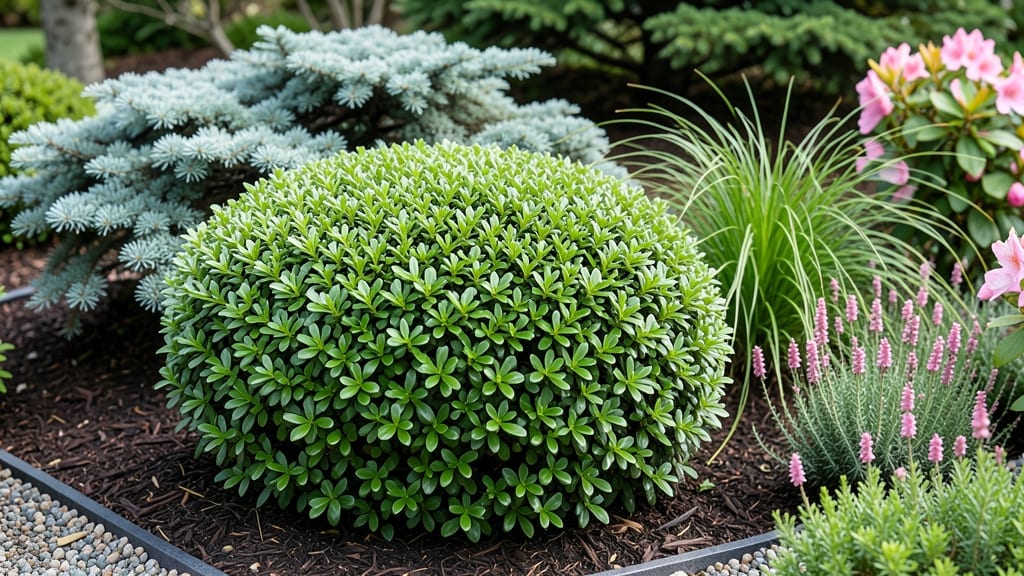
Small gardens need shrubs that pack big personality into tight spaces. 🌿 I’ve transformed my postage-stamp yard with dwarf varieties that deliver year-round structure and privacy without swallowing the space.
The key is choosing plants that mature under 4 feet tall but still deliver impact—think lush foliage, seasonal blooms, or even edible berries.
Start with evergreens like 'Little Gem' magnolia (6-8 feet tall but narrow) or dwarf boxwoods (2-3 feet, shears optional). For color, abelia or dwarf hydrangeas bring blooms while staying compact.
Layer them: taller shrubs at the back, mid-height in the middle, and low-growing ground covers like creeping thyme up front. This creates depth in just a few square feet.
You’ll end up with a garden that feels intentional, not cramped—where every plant earns its spot. These shrubs handle partial shade, urban soil, and even container life if needed.
The best part? Once established, they need minimal fuss. Just water consistently the first year, and you’re set for decades of low-maintenance beauty.
For tricky spots, try columnar cherry trees (8 feet tall, 3 feet wide) or ornamental grasses mixed in for texture. The secret is spacing: give each plant room to breathe (check tags for mature width) and avoid overcrowding.
Even in a 4x4-foot patch, you can create a lush, layered look that feels like a mature garden.
📚 In This Guide
- What you need
- Instructions
- Tips and common mistakes
- Wrapping up and next steps
What you need
- ● Shrubs (3–5 plants): Choose compact varieties like Dwarf Boxwood, Lavender, Dwarf Lilac, or Japanese Holly. Select 1–2 gallon containers for mature plants or 4-inch pots for younger shrubs.
- ● Potting soil or garden soil: 1–2 bags (1–2 cubic feet each), well-draining and amended with compost.
- ● Mulch: 1 bag (2–3 cubic feet) of organic mulch (e.g., shredded bark or pine straw) to retain moisture.
- ● Pruning shears: 1 pair with sharp, bypass blades (for clean cuts).
- ● Gloves: 1 pair of gardening gloves (nitrile or leather for durability).
- ● Watering can or hose with a gentle nozzle: 1 unit (avoid high-pressure sprays to protect tender plants).
- ○ Stakes or plant supports (optional): 3–5 small stakes (6–12 inches tall) for young shrubs needing temporary support.
- ● Sunlight assessment: Note 6+ hours of sun (full sun) or 3–6 hours (partial shade) for your garden’s spots.
- ● Space planning: Measure your garden’s dimensions and sketch a layout, spacing shrubs 12–36 inches apart (depending on mature size).
- ● Drainage check: Ensure your soil drains well—amend heavy clay with perlite or sand if needed.
- ● Local climate: Pick shrubs suited to your USDA Hardiness Zone (e.g., Dwarf Boxwood thrives in Zones 5–9).
- ● 🌱 Buy bare-root shrubs in early spring for cost savings and faster establishment.
- ● 💧 Water deeply 2–3 times per week for the first month to help roots establish.
- ● ✂️ Prune in late winter to shape shrubs and encourage bushier growth.
- ● 🌿 Mix textures: Pair broadleaf shrubs (like Abelia) with needle-like ones (like Dwarf Juniper) for visual interest.
Step-by-step guide to selecting and planting shrubs for small gardens
Here's how to choose and plant compact shrubs that bring year-round beauty without overwhelming limited space.
🌱 Step 1: Choose the Right Compact Shrubs for Your Climate and Needs
Start by selecting shrubs that thrive in your USDA hardiness zone and match your garden's light conditions. For small spaces, focus on varieties that stay under 3-6 feet tall at maturity. Dwarf boxwoods (Buxus spp.) and Japanese spiraea (Spiraea japonica) are excellent choices—they offer dense foliage and seasonal interest without spreading aggressively.
Consider the plant's growth habit: some, like dwarf lilacs, grow upright, while others, such as creeping juniper, spread horizontally. If privacy is a goal, opt for evergreen shrubs like Emerald Green Arborvitae or Dwarf Gardenia, which provide year-round coverage. I always check the mature size on the plant tag—it's the only way to avoid overcrowding later.
🪴 Step 2: Prepare the Planting Site for Optimal Growth
Select a location that receives the light conditions the shrub needs—whether it's full sun (6+ hours daily), partial shade (3-6 hours), or full shade. Dig a hole twice as wide as the root ball but only as deep. Loosen the soil around the edges to encourage root expansion, but avoid disturbing the root ball itself.
Amend the native soil with compost or organic matter if it's heavy clay or sandy—this improves drainage and nutrient retention. For example, if planting a hydrangea, mix in a handful of slow-release fertilizer to support its thirsty roots. Water the hole thoroughly before planting to settle the soil and remove air pockets.
☀️ Step 3: Plant Shrubs Correctly for Strong Establishment
Gently remove the shrub from its container and loosen any circling roots with your fingers. Place it in the hole so the top of the root ball sits level with the surrounding soil—burying the stem too deep can cause rot, while planting too high stresses the plant. Backfill with native soil, tamping lightly every 6 inches to eliminate air gaps.
Water deeply right after planting to help the soil settle around the roots. Mulch with 2-3 inches of organic mulch (like shredded bark) to retain moisture and suppress weeds, but keep the mulch 2-3 inches away from the stem to prevent rot. I always water again after mulching to lock in moisture and encourage root growth.
✂️ Step 4: Prune and Maintain for Long-Term Health
Prune new shrubs lightly right after planting to remove any damaged branches and shape the plant. For most compact shrubs, prune in early spring before new growth begins. Use clean, sharp pruners to make cuts just above a bud or leaf node. Avoid heavy pruning in the first year—it stresses young plants and can reduce flowering.
Water newly planted shrubs deeply once a week during the first growing season, adjusting for rainfall. Most compact shrubs establish well with 1-1.5 inches of water per week, but drought-tolerant varieties like dwarf lavender need less. Fertilize lightly in spring with a balanced, slow-release fertilizer to encourage steady growth without excessive foliage.
⏰ Step 5: Monitor and Adjust for Seasonal Changes
Check your shrubs regularly for signs of stress, such as yellowing leaves (often a sign of overwatering or nutrient deficiency) or wilting (indicating underwatering). Adjust your care routine based on seasonal shifts—reduce watering in winter if your climate is cold, and increase it during hot, dry summers.
Compact shrubs like dwarf azaleas and inkberry holly thrive with minimal intervention once established, but I always give them a light trim in late winter to shape them and remove dead wood. Over time, you'll notice your small garden filling in beautifully with lush, structured greenery that requires far less space than traditional shrubs.
Tips & tricks for perfect small garden shrubs
These pro tips will help you transform your compact garden into a thriving, low-maintenance oasis without the risk of overcrowding.
Selection Strategy: When choosing shrubs, prioritize those labeled "dwarf" or "compact" on the tag—these are specifically bred to stay under 3-6 feet at maturity. I always cross-reference the mature size with my garden's dimensions, leaving 12-18 inches of space between plants for airflow. This prevents future crowding and reduces disease risk. The key is to visualize how each shrub will fill its space over time, not just at planting.
Soil Prep Secret: For heavy clay soils, mix in 2-3 inches of compost into the bottom of the planting hole before adding your shrub. This creates a nutrient-rich "pocket" that encourages root expansion downward, where moisture is more stable. For sandy soils, incorporate organic matter like peat moss to improve water retention. The goal is to mimic the natural soil conditions these compact shrubs evolved in—most prefer well-draining soil with organic content.
Planting Precision: The most common mistake I see is planting too deep or too shallow. Use a level to ensure the top of the root ball sits exactly at soil level—this prevents stem rot from buried stems and stress from exposed roots. After backfilling, press down firmly every 6 inches to eliminate air pockets, then water deeply. This step is critical: air pockets can suffocate roots and lead to poor establishment. I always check by gently tugging on the plant—it should feel securely anchored.
Seasonal Care Adjustments: Compact shrubs like dwarf boxwoods and inkberry holly are remarkably resilient once established, but their water needs shift dramatically with seasons. In summer, aim for 1-1.5 inches of water per week, delivered either through rainfall or irrigation. In winter, reduce to every 2-3 weeks unless you're in a particularly dry climate. The key is to monitor soil moisture 2 inches below the surface—this is where roots actively grow. A simple screwdriver test works perfectly: push it into the soil; if it comes out clean, water is needed.
Pro Tips for Shrubs Small Garden
- These pro tips will help you transform your compact garden into a thriving, low-maintenance oasis without the risk of...
- Selection Strategy: When choosing shrubs, prioritize those labeled "dwarf" or "compact" on the tag—these are specific...
- Soil Prep Secret: For heavy clay soils, mix in 2-3 inches of compost into the bottom of the planting hole before addi...
Frequently asked questions
Got questions about shrubs for small gardens?
You’re not alone! Here are answers to the most common concerns—from spacing to seasonal care—to help you create a lush, low-maintenance space.
What are the best shrubs for year-round privacy in a tiny space?
Opt for dense, evergreen shrubs like Boxwood, Holly, or Dwarf Gardenia. These stay green all year, grow compactly, and provide excellent screening. For seasonal interest, consider Camellias (winter blooms) or Abelia (spring-fall flowers). Just ensure they fit your garden’s height/width limits!
How soon will my small shrubs grow enough to block neighbors’ views?
Growth speed varies! Fast growers like Bamboo (e.g., Fargesia) or Privet can add 2–3 feet per year, offering privacy in 2–3 years. Slower shrubs like Boxwood take 3–5 years. Pro tip: Layer shrubs of different heights for quicker coverage!
Can I plant shrubs in containers if my garden is really small?
Shrubs like Dwarf Azaleas, Creeping Juniper, or Ornamental Grasses thrive in pots (12"+ diameter). Use well-draining soil and large containers (5+ gallons) to prevent root bound issues. Just move them indoors or to a sheltered spot in winter if frost-sensitive.
How do I keep shrubs from overcrowding in a small garden?
Prune regularly (especially spring/early summer) to maintain shape and control size. For aggressive growers like Bamboo, install root barriers. Space shrubs 3–6 feet apart (check tags for mature size). Pro tip: Use mulch to suppress weeds and retain moisture!
What’s the easiest way to troubleshoot shrub problems?
Yellow leaves? Overwatering or pests (check for aphids/mites). Brown tips? Underwatering or salt buildup (flush soil). No blooms? Too much nitrogen—switch to balanced fertilizer. Always inspect leaves/stems before treating. Neem oil or soapy water works for mild infestations.
Are there any shrubs that bloom and stay small?
Yes! Try Dwarf Butterfly Bush (Buddleia), Lavender, or Miniature Roses—all under 3 feet tall. For colorful foliage, Cotoneaster or Heuchera add texture without bulk. Bonus: Many of these attract pollinators!
Wrapping up and next steps
Transforming your small garden into a lush, private retreat is easier than you think! With the right shrubs for small gardens, you can enjoy compact elegance and year-round privacy—no matter the space. From evergreens to flowering varieties, these low-maintenance plants add beauty, texture, and functionality without overwhelming your yard.
Ready to take the next step? Start small:
- Pick 1-2 shrubs that match your garden’s sunlight and soil.
- Sketch a simple layout (or use a free app!) to visualize placement.
- Plant with confidence—your future self (and neighbors!) will thank you. 🌿
Grab your gloves and get growing—your cozy, stylish sanctuary is waiting!