
Shrubs
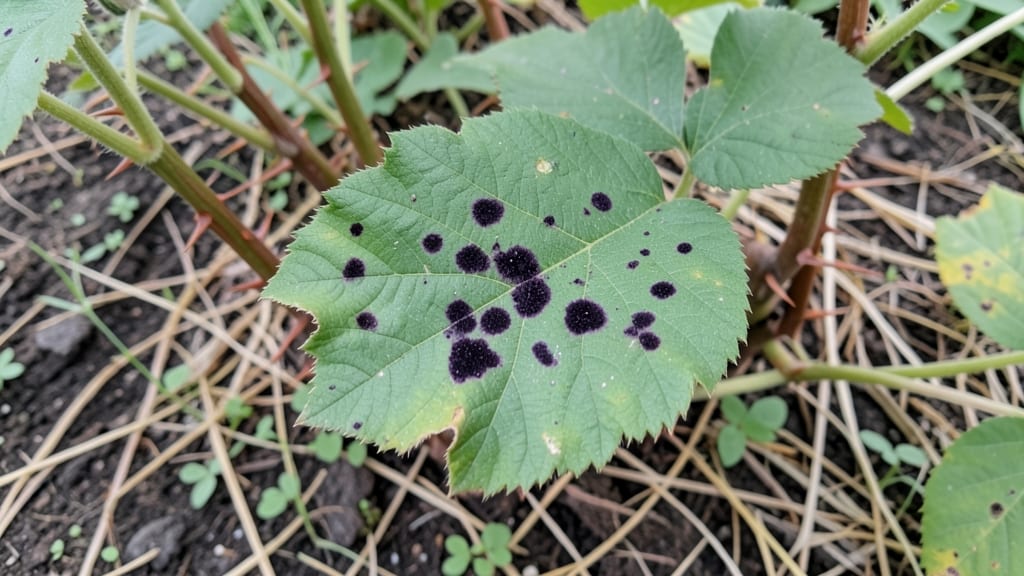
Black spots on shrub leaves don’t just ruin the look—they can weaken your plants if you ignore them. 🌿 I’ve seen anthracnose and leaf spot turn healthy shrubs into sad, spotted messes, but the good news is you can stop it fast with the right moves.
The key is catching it early, before those spots spread like wildfire.
Most black spots come from fungal diseases that thrive in wet, shady conditions. Overhead watering, poor airflow, and crowded shrubs make the problem worse. I’ve learned that spacing plants properly, watering at the base, and pruning for airflow can cut the risk by half—but if spots already appear, don’t panic.
Simple fixes like neem oil or copper fungicide can turn things around.
You’ll see the difference in just a few weeks: new leaves emerging clean, no more dark splotches, and shrubs bouncing back stronger. The trick is acting fast—once the fungus gets a foothold, it’s harder to kick out.
I’ll walk you through exactly how to diagnose the problem and pick the right treatment for your shrubs.
This works for all common shrubs—azaleas, hydrangeas, even boxwoods—no matter your yard size. Let’s get those leaves looking fresh again without harsh chemicals if we don’t have to.
Understanding Leaf Spot Triggers
Black spots on shrub leaves aren’t just a cosmetic issue—they’re often a sign of underlying stress or microbial activity. Before you reach for a fungicide, it’s crucial to pinpoint the root cause to treat the problem effectively.
Below, we break down the most common reasons these unsightly blemishes appear, complete with science-backed explanations and actionable insights.
Fungi are the #1 culprit behind black spots on shrub leaves, thriving in moist, humid conditions. These microscopic organisms release spores that land on leaves, germinate, and create dark, often circular or irregular patches. Some of the most notorious fungal offenders include:
- Anthracnose: Causes sunken, dark spots with yellow halos, often appearing on young leaves or stems. It spreads rapidly in wet weather and targets stressed shrubs.
- Leaf Spot Diseases (e.g., Septoria, Cercospora): These fungi create small, black or brown spots with gray centers, often surrounded by a yellow ring. They’re common in shrubs like azaleas, boxwoods, and hollies.
- Powdery Mildew (with a twist): While usually white, some strains can leave behind blackened, crinkled leaf tissue as the infection progresses.
Why it happens: Fungi need three things to thrive—water, warmth, and a weak host. Overhead watering, poor air circulation, or nutrient-deficient soil create the perfect storm. Once established, fungal spores can overwinter in debris, ready to reinfect the next season.
Unlike fungi, bacteria don’t need moisture to survive long-term—but they do need water to spread. Black, greasy-looking spots with water-soaked edges are classic signs of bacterial infections like Xanthomonas or Pseudomonas. These spots often ooze when wet and can lead to leaf drop if untreated.
Why it happens: Bacteria hitchhike on wind, rain, or contaminated tools (like pruners). They exploit wounds—whether from pruning, hail, or insect damage—to invade plant tissue. Warm, humid summers (60–85°F) accelerate their growth.
Not all black spots are caused by pathogens. Sometimes, your shrubs are begging for better conditions. Here’s how environmental factors contribute:
| Stressor | How It Causes Spots | Actionable Fix |
|---|---|---|
| 💧 Overwatering or Poor Drainage | Waterlogged roots starve leaves of oxygen, leading to oxidative stress and blackened tissue (often at leaf edges). | Improve soil with compost, ensure pots have drainage holes, and water deeply but infrequently. |
| ☀️ Sun Scorch | Intense midday sun burns leaf edges, causing necrotic (dead) black spots, especially in thin-leaved shrubs like lilacs. | Provide afternoon shade (use shade cloth) or mulch to keep roots cool. |
| 🌬️ Wind or Hail Damage | Physical trauma ruptures cell walls, creating entry points for pathogens or exposing tissue to UV radiation, which darkens leaves. | Use windbreaks or protective netting during storms; prune to improve airflow. |
| 🔥 Extreme Heat or Cold | Temperature swings disrupt photosynthesis, leading to chlorosis (yellowing) followed by blackening as cells die. | Mulch heavily in winter; water deeply during heatwaves to cool roots. |
Sometimes, black spots are a side effect of other problems. Insects like aphids, mites, or scale weaken leaves, making them susceptible to sooty mold—a black, powdery fungus that grows on their honeydew secretions. Even slugs or snails can leave behind ragged, blackened trails as they feed.
Why it happens: Healthy leaves repel pests, but stressed or nutrient-deficient shrubs become easy targets. Once pests move in, their waste products create a sticky film that traps fungal spores, turning leaves into a blackened mess.
Black spots can also signal chemical damage from over-fertilizing (especially with high-salt or synthetic fertilizers) or misapplied herbicides/pesticides. Symptoms include:
- Crispy, blackened leaf edges (fertilizer burn).
- Irregular, sunken spots (herbicide drift).
- Bleached or yellowed areas with blackened veins (copper or copper sulfate overuse).
Why it happens: Plants absorb excess salts or chemicals through leaves or roots, disrupting cellular function. Osmotic stress (when cells lose water to concentrated solutions) causes tissue death, which appears as black spots.
Stumped on the cause? Ask yourself:
- ✅ Are spots raised, powdery, or fuzzy? → Likely fungal (e.g., powdery mildew).
- ✅ Are they greasy, oozing, or spreading fast? → Bacterial.
- ✅ Do spots appear after watering, storms, or pruning? → Environmental or pest-related.
- ✅ Are leaves yellowing first before turning black? → Nutrient deficiency or chemical burn.
Snap a photo and compare it to University Extension guides for a second opinion!
Quick Fixes for Leaf Spots
Black spots on shrub leaves can be frustrating, but with the right approach, you can restore your plants to full, healthy glory. Below are targeted solutions based on the most common causes—fungal infections, environmental stress, or pests—along with prevention tips to keep your shrubs thriving. 🌿💪
If your shrubs are battling anthracnose, leaf spot, or powdery mildew, act fast to prevent the fungus from taking over.
🔥 Remove Infected Leaves
Start by pruning away any leaves with black spots. Use clean, sharp shears and dispose of the clippings in the trash (not the compost)—fungus can survive in compost piles. Pro tip: Wear gloves to avoid spreading spores to other plants. ✂️
🍳 Apply Fungicide
For mild infections, a homemade remedy like a baking soda spray (1 tsp baking soda + 1 quart water + a drop of dish soap) can work.
For severe cases, use a copper-based fungicide or a product with neem oil. Spray both the tops and undersides of leaves, focusing on new growth.
🌡️ Improve Airflow & Light
Fungus loves damp, shaded conditions. Thin out overcrowded branches and ensure your shrubs get at least 6 hours of sunlight daily. If your garden stays soggy, consider improving drainage or mulching with gravel or pine straw instead of thick organic mulch. 🌞
Soggy soil is a magnet for black spot-causing fungi and bacteria. Adjust your watering habits to break the cycle.
⏰ Water Wisely
Water deeply but infrequently—aim for 1 inch per week, including rainfall. Use a moisture meter to check soil levels before watering. Pro tip: Water in the early morning so leaves dry quickly, reducing humidity around the foliage. 💧
🔧 Fix Drainage Issues
If your shrubs sit in waterlogged soil, amend the area with compost or perlite to improve aeration. For container plants, ensure pots have drainage holes and elevate them slightly to prevent pooling. 🏺
Insects like aphids, mites, or scale can weaken leaves, making them prone to black spots. Knock out the pests to protect your shrubs.
👨🍳 Blast Off Pests
For soft-bodied pests (aphids, mites), spray with a soapy water solution (1 tsp mild soap per quart of water). For stubborn infestations, use horticultural oil or neem oil. Repeat every 5–7 days until pests are gone. 🛡️
🌿 Encourage Beneficial Insects
Ladybugs, lacewings, and parasitic wasps eat pests naturally. Attract them by planting marigolds, dill, or yarrow nearby. Avoid broad-spectrum pesticides that harm these helpers! 🐞
Heat, cold, or nutrient deficiencies can weaken leaves, making them susceptible to black spots. Strengthen your shrubs’ defenses.
💪 Fertilize Smartly
Test your soil and apply a balanced, slow-release fertilizer (like 10-10-10) in early spring. Over-fertilizing can burn roots, so follow package instructions. Pro tip: Add compost annually to improve soil health naturally. 🌱
🛡️ Protect from Extreme Conditions
If your area experiences freezing temps, mulch heavily around the base of shrubs. For scorching heat, provide afternoon shade with a light fabric row cover. Acclimate new plants gradually to avoid shock. ❄️☀️
Once you’ve treated the problem, take these steps to prevent black spots from returning:
- 💡 Space plants properly—crowded shrubs trap moisture and spread disease.
- 🌡️ Monitor humidity—use a dehumidifier in greenhouses or shade cloth in humid climates.
- 🔄 Rotate fungicides if you use them often to prevent resistance.
- 🌿 Choose resistant varieties—some shrubs (like hydrangeas or boxwoods) have disease-resistant cultivars.
- 🧼 Clean tools—sterilize pruners with rubbing alcohol between uses.
With these fixes, your shrubs should bounce back in 2–4 weeks. Stay vigilant, and your greenery will stay spotless and stunning! 🌟
Frequently asked questions
Are black spots on shrub leaves always caused by fungus?
No, they can stem from bacteria, environmental stress, or even pests. Fungal diseases like anthracnose create dark, sunken spots, while bacteria often produce greasy, oozing patches. Environmental factors like sun scorch or overwatering can also cause blackened leaf edges. Always check for patterns—powdery spots suggest fungus, while water-soaked areas may indicate bacteria.
How do I tell if black spots are from a fungal disease vs. something else?
Fungal spots are usually dry, raised, or powdery (like anthracnose) and may have yellow halos. Bacterial spots are greasy, ooze when wet, and spread faster. Environmental damage often appears as crispy edges (sun scorch) or waterlogged discoloration (overwatering). Take a photo and compare it to plant disease guides for confirmation.
Can I use household items to treat black spots on shrubs?
Yes! For mild fungal issues, mix 1 teaspoon baking soda + 1 quart water + a drop of dish soap and spray leaves. Neem oil (diluted) works too—just avoid direct sun after application. For bacterial spots, a copper fungicide is more effective. Always test sprays on a small leaf area first to check for sensitivity.
Will pruning help stop black spots from spreading?
Remove infected leaves immediately using sterilized shears (wipe with rubbing alcohol between cuts). Dispose of clippings in the trash—not compost—to prevent spores from overwintering. Prune for airflow too: thin crowded branches to reduce humidity, which fungi love. Focus on new growth to prevent further infection.
How long does it take to see improvement after treating black spots?
With proper care, you’ll often see new growth free of spots in 2–4 weeks. Fungal diseases respond fastest to fungicides and airflow improvements. Bacterial issues may take longer (up to 6 weeks) and may require multiple treatments. Consistency is key—keep monitoring and repeating sprays as needed until the problem clears.