
Container Gardens
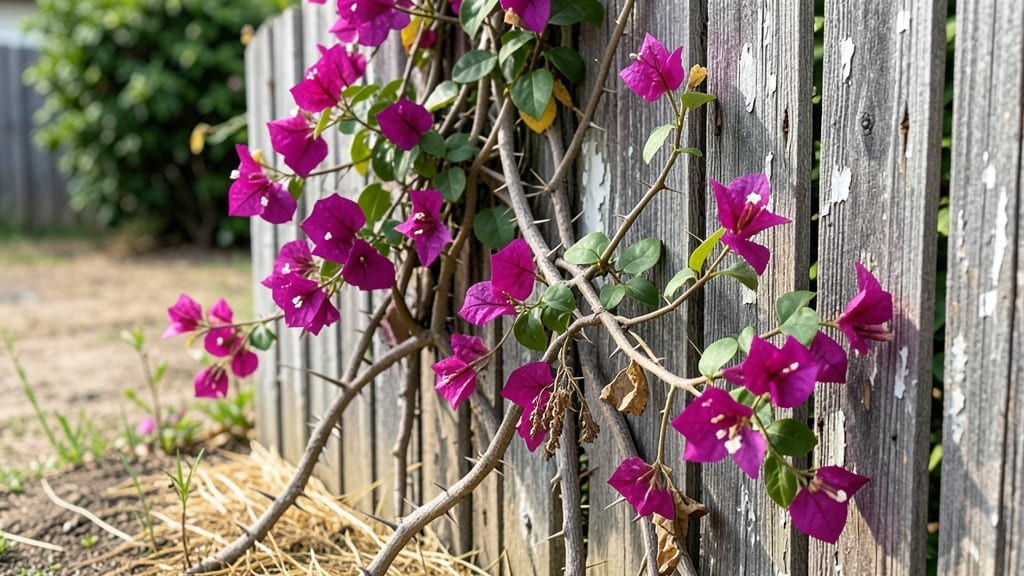
Transforming your house exterior with bougainvillea on house walls creates a stunning, low-maintenance canvas of color that lasts all year. 🌿 I’ve draped these vibrant vines over balconies, trellises, and even old wooden fences, and the difference is night and day—no more boring blank walls, just cascading blooms that turn heads.
The key is choosing the right spot where they’ll soak up sunlight like a sponge and get just enough air to thrive without fuss.
You’ll need sturdy support—think metal trellises, wooden arbors, or even a simple wire mesh wrapped around your house’s exterior. Bougainvillea loves to climb, so the more it has to grab onto, the faster it’ll spread its jewel-toned bracts.
Pair it with drought-tolerant companions like lavender or succulents to keep the look cohesive, and you’ve got a vertical garden that’s both functional and breathtaking.
By late spring, your house will be blanketed in pink, purple, or orange blooms that stay vibrant through summer and even into fall. The best part? These plants are practically indestructible—they handle heat, drought, and even a little neglect, making them perfect for busy gardeners who still want drama.
Just prune back in early spring to shape it up, and you’re set for another season of show-stopping color.
Works for urban apartments, suburban homes, or even rustic cottages—just pick a spot with at least 6 hours of direct sun and watch your house transform into a living work of art. The payoff? A space that feels alive, colorful, and uniquely yours, without the upkeep of a full garden.
📚 In This Guide
- What you need
- Instructions
- Tips and common mistakes
- Wrapping up and next steps
What you need
- ● Bougainvillea plant(s): 1-3 mature plants (3-5 gallons in size) or cuttings for propagation. Choose Bougainvillea spectabilis or Bougainvillea glabra for best results.
- ● Containers: 1-2 large pots (12"+ diameter) with drainage holes, or a hanging basket (18"+ diameter). Use lightweight materials like terracotta or fiberglass.
- ● Potting mix: 5-10 gallons of well-draining cactus/succulent mix (add perlite or pumice for extra aeration).
- ● Slow-release fertilizer: 1-2 cups of 10-10-10 or 8-3-9 blend (for flowering plants).
- ● Mulch: 1-2 inches of gravel or bark chips to retain moisture and deter weeds.
- ● Gloves & long sleeves: Bougainvillea has thorns—protect yourself!
- ● Trowel or shovel: For planting and amending soil.
- ● Pruning shears: Sharp, sterilized shears for shaping and maintenance.
- ● Watering can or hose with nozzle: For gentle hydration (avoid soggy roots!).
- ○ Support structure (optional): Trellis, lattice, or stakes for climbing varieties.
- ● Sunlight check: Confirm your space gets 6+ hours of direct sun daily—bougainvillea is a sun-worshipper!
- ● Epsom salt (1 tbsp/month) for magnesium boost.
- ● Decorative pebbles or mosaic tiles for container styling.
- ● Automatic drip irrigation system for low-maintenance watering.
- ● Plant labels to track varieties and care notes.
Step-by-Step instructions for planting bougainvillea in pots on your house
Here's how to grow vibrant bougainvillea that thrives in containers and adds stunning color to your home's exterior.
🪴 Step 1: Choose the Right Containers and Drainage
Bougainvillea roots need room to spread, so pick a pot at least 18 inches wide and deep for each plant. I recommend terracotta or fiberglass containers—they breathe well and prevent root rot. Make sure each pot has 3-4 drainage holes at the bottom. If your pot lacks drainage, drill holes yourself or use a cache pot with a saucer underneath.
Place a 2-inch layer of gravel or broken pottery in the bottom before adding soil. This creates space for excess water to escape while keeping roots elevated. The gravel also prevents soil from clogging the drainage holes over time. If you're using multiple pots, group them near a south- or west-facing wall where they'll get the most sun.
🌱 Step 2: Plant with Well-Draining Soil and Support
Fill the pot halfway with a mix of 50% potting soil, 30% perlite, and 20% coarse sand. This lightweight blend prevents waterlogging, which bougainvillea hates. Gently remove the plant from its nursery container and loosen any tangled roots with your fingers. Place it in the pot so the top of the root ball sits 1 inch below the rim—this allows room for watering without overflow.
Add more soil mixture around the roots, pressing lightly to eliminate air pockets. Install a 3-foot bamboo stake or metal trellis in the pot now—bougainvillea vines need support to climb and won't tolerate being tied in later. Water thoroughly until water runs freely from the drainage holes, then let it drain completely before your next watering.
☀️ Step 3: Position for Maximum Sun and Heat
Bougainvillea craves 6+ hours of direct sunlight daily, so place your pots where they'll get morning sun and afternoon warmth. A south- or west-facing wall is ideal, especially if it has some afternoon shade to prevent leaf scorch. If your house doesn't get enough natural light, supplement with a 150-watt grow light placed 12-18 inches away for 8 hours daily.
Watch for signs of stress: yellowing leaves mean too much shade, while crispy edges signal too much sun. If leaves start curling or wilting in afternoon heat, move the pot to a slightly shadier spot for a few days. Bougainvillea thrives in heat—temperatures above 75°F encourage the most vibrant blooms, so don't be afraid to let it bask.
💧 Step 4: Water Deeply and Fertilize for Blooms
Water when the top 2 inches of soil feel dry—usually every 3-5 days in summer, less in cooler months. Stick your finger in the soil to check moisture; bougainvillea roots are drought-tolerant but won't forgive soggy conditions. When watering, soak the soil until water drains from the bottom, then empty the saucer to prevent root rot. Mulch the surface with 1 inch of gravel to retain moisture and keep roots cool.
Feed your bougainvillea with a balanced 10-10-10 fertilizer every 4-6 weeks during growing season (spring through fall). Mix it at half-strength to avoid burning the roots. You'll notice new growth within 2-3 weeks—that's your signal the plant is happy. In winter, reduce watering to every 10-14 days and skip fertilizing entirely.
✂️ Step 5: Prune and Train for Year-Round Growth
Prune in late winter or early spring to shape the plant and encourage new growth. Cut back one-third of the previous year's growth to a leaf joint, and remove any dead or crossing branches. This keeps the plant compact and bushy. Bougainvillea blooms on new wood, so regular pruning in summer after flowering also stimulates more vibrant blooms. Always use clean, sharp pruners to make 45-degree cuts just above a leaf node.
Train vines along the trellis by gently tying them with soft plant ties every 6-8 inches as they grow. If a vine gets too long or leggy, trim it back to a leaf joint to encourage branching. Deadhead spent blooms regularly—this redirects the plant's energy to producing new flowers instead of seed pods. With consistent care, your bougainvillea will reward you with year-round color and a lush, climbing display on your house's exterior.
Tips & tricks for perfect bougainvillea on house
These game-changing tips will help your bougainvillea thrive and transform your house into a vibrant canvas of color.
The Container Size Secret: That 18-inch pot recommendation isn't just arbitrary—bougainvillea roots spread aggressively, and a smaller container will lead to root-bound plants that struggle to bloom. If you're working with limited space, consider using a slightly larger pot (up to 20 inches) for better long-term growth. The extra room gives roots room to explore while preventing the plant from becoming pot-bound.
Soil Mix Matters: The 50-30-20 soil blend isn't just about drainage—it's about creating the perfect air-to-moisture ratio bougainvillea craves. I've found that adding a handful of worm castings to this mix gives plants a gentle nutrient boost without overwhelming them. This optional upgrade (clearly marked) can lead to even more vibrant blooms, especially in the first growing season.
Sunlight Strategy: Those 6+ hours of direct sunlight are non-negotiable, but here's the trick: position your pots where they get morning sun and afternoon warmth, but provide some afternoon shade if your house gets intense late-day sun. I've seen many bougainvilleas suffer from leaf scorch when placed in full sun all day. Think of it as giving your plant a sun hat during peak hours—it makes all the difference in maintaining lush foliage.
Fertilizer Timing: The 4-6 week feeding schedule works perfectly, but here's what nobody tells you—the plant's response to fertilizer is your best indicator of when to feed. If you notice new growth within 2-3 weeks (as mentioned in Step 4), that's your green light to fertilize again. If growth slows down, wait another week or two before applying more. This plant-tells-you-when approach prevents over-fertilizing, which can actually harm your bougainvillea.
Pro Tips for Bougainvillea On House
- These game-changing tips will help your bougainvillea thrive and transform your house into a vibrant canvas of color.
- The Container Size Secret: That 18-inch pot recommendation isn't just arbitrary—bougainvillea roots spread aggressively, and a smaller container will lead to root-bound plants that struggle to bloom.
- Soil Mix Matters: The 50-30-20 soil blend isn't just about drainage—it's about creating the perfect air-to-moisture ratio bougainvillea craves.
Frequently asked questions
Got questions about growing bougainvillea on your house? You’re not alone! Here are some of the most common concerns—and their answers—to help you keep your vibrant vines thriving in pots.
Can bougainvillea grow directly on a house wall or fence?
Yes, but with care! Bougainvillea is not a climbing vine—it clings to surfaces using its thorns and needs support. Use a sturdy trellis, wire mesh, or a decorative lattice attached to the wall. Avoid direct contact with paint or siding, as the thorns can damage surfaces over time. Pro tip: Wrap the trellis in burlap for extra grip!
How long does it take for bougainvillea to bloom in pots?
Patience is key! With ideal conditions (full sun, well-draining soil, and regular watering), you can see some blooms in 3–6 months. Full, vibrant color typically takes 6–12 months, especially if started from cuttings. Prune lightly to encourage bushier growth and more flowers. Remember: Bougainvillea blooms best in warm weather, so winter slows things down.
How often should I water bougainvillea in containers?
Water when the top 1–2 inches of soil are dry—usually every 2–3 days in summer and once a week in winter. Overwatering is the #1 killer! Pots dry out faster, so check soil moisture daily in extreme heat. Drainage is non-negotiable: Ensure pots have holes, and use a cactus/succulent mix to prevent root rot. Hot tip: Mulch with gravel to retain moisture and regulate temperature.
What if my bougainvillea leaves turn yellow or drop?
Yellow leaves or leaf drop usually mean overwatering, poor drainage, or nutrient deficiency. First, check the roots—if they’re mushy, repot in fresh, well-draining soil. Underwatering can also cause stress, so aim for consistent moisture. Feed monthly with a balanced fertilizer (10-10-10) during growing season. Warning: Avoid tap water with high chlorine; use rainwater or filtered water instead.
Are there low-maintenance alternatives to bougainvillea for house walls?
If bougainvillea seems too high-maintenance, try these hardy, colorful options:
- Hoya (Wax Plant): Thrives in shade, produces fragrant flowers, and is nearly indestructible.
- Ivy (English or Boston): Fast-growing, great for vertical coverage, but watch for invasiveness.
- Mandevilla: Tropical blooms in pink, red, or white; loves sun but tolerates partial shade.
- Jasmine (Star or Confederate): Fragrant, evergreen, and drought-tolerant once established.
All these plants add color and texture with less fuss than bougainvillea!
Wrapping up and next steps
Transforming your home with bougainvillea on house is a rewarding way to add vibrant color and life to any space—even without a yard! This hardy plant thrives in pots, offering year-round beauty with minimal fuss.
Whether you’re a beginner or a seasoned gardener, its low-maintenance charm makes it the perfect choice for instant curb appeal.
Ready to get started? Pick your favorite pot, grab some gloves, and plant your bougainvillea today! 🌸 With the right care, you’ll enjoy its stunning blooms for seasons to come—your outdoor oasis awaits!