
Flowers
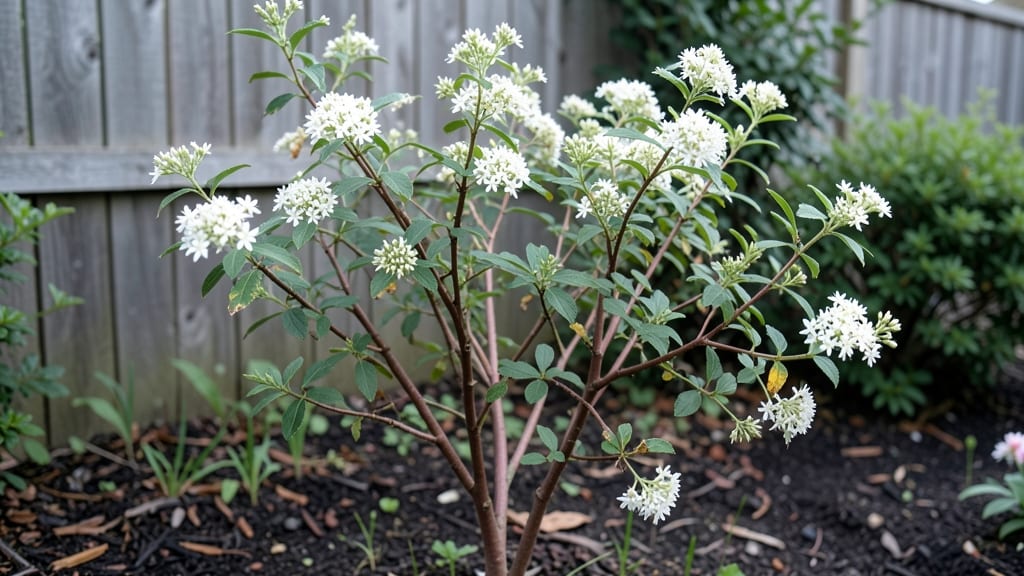
This tree shrub with small white fragrant flowers can transform your yard into a fragrant privacy screen that smells like summer even in winter.
That’s the magic of tree shrubs with small white fragrant flowers—plants like Mock Orange (Philadelphus) or Deutzia that turn your yard into a fragrant sanctuary. 🌿 I’ve designed borders with these shrubs, and the difference is night and day: no more boring green walls, just clouds of sweet blossoms that perfume the air for weeks.
These shrubs aren’t just pretty—they’re tough, too. Mock Orange thrives in partial shade where others fade, while Deutzia blooms prolifically in full sun. Pair them with evergreens like Boxwood for year-round structure, or let them mingle with roses for a cottage-garden feel.
The fragrance alone makes them worth growing, but the way they layer light and scent transforms any space.
Imagine walking past a hedge in June and being hit with that unmistakable citrusy-sweet scent—it’s like a free spa treatment. These shrubs handle pruning well, so you can shape them into formal screens or let them grow naturally for a wild, romantic look.
The key is spacing them 3-5 feet apart for that lush, overflowing effect.
Perfect for fragrant borders, backyard privacy, or even urban courtyards where space is tight. They’re the secret weapon for gardens that smell as good as they look—no fancy tricks, just smart plant pairings. Let’s make your yard unforgettable.
Why Flowers Fade Or Fail
If your fragrant shrub with delicate white blooms isn’t living up to its potential—whether the flowers are sparse, short-lived, or completely absent—there’s usually a scientific reason behind it. Understanding these causes helps you take targeted action to restore its beauty. Here’s what’s likely going on beneath the surface.
White-flowering shrubs often rely on pollinators like bees, butterflies, or even wind to trigger blooming. If your plant isn’t getting enough visits from these helpers, it may produce fewer flowers—or none at all.
- Why it happens: Some shrubs (like Deutzia or Pieris) need cross-pollination to set buds. If your yard lacks native pollinators, the plant may skip flowering entirely.
- Signs:
- Bud drop before opening
- Sparse or misshapen flowers
- No new growth after last year’s blooms
- Actionable fix:
- 💡 Plant pollinator magnets nearby: Add bee-friendly flowers like lavender, coneflowers, or native wildflowers within 10–15 feet.
- 🌡️ Time it right: Most pollinators are active in morning sunlight (6–10 AM). Avoid heavy pesticides during bloom season.
- ✨ Hand-pollinate if needed: Gently shake branches or use a soft paintbrush to transfer pollen between flowers (works for small shrubs like Abelia).
Shrubs with small white flowers are often sensitive to sudden changes in their environment. Stress from heat, drought, or poor soil can cause buds to abort or flowers to wilt prematurely.
| Stress Factor | Why It Stops Flowers | Fix It Now |
|---|---|---|
| Drought | Flowers need consistent moisture to open. Dry soil signals the plant to conserve energy, dropping buds. | Water deeply 2–3 times per week (1–2 inches per session) during bloom season. Mulch with wood chips to retain moisture. |
| Extreme Heat | Temperatures above 90°F (32°C) can scorch buds before they open. Some shrubs (like Weigela) go dormant early. | Provide afternoon shade with a sheer curtain or nearby taller plants. Prune to improve airflow. |
| Cold Snaps | Late frosts (below 32°F/0°C) can kill emerging buds. Early spring bloomers (e.g., Pieris) are especially vulnerable. | Cover with frost cloth on nights with frost warnings. Choose late-blooming varieties if your zone has unpredictable springs. |
| Poor Soil Drainage | Root rot or waterlogged soil starves the plant of nutrients, leading to weak or no flowers. | Amend soil with compost + perlite (50/50 mix). Ensure the planting hole has a slope for drainage. |
Fragrant white-flowering shrubs often need specific nutrients to produce abundant blooms. Too much of the wrong fertilizer—or a deficiency—can stunt flower development.
- Common nutrient issues:
- Too much nitrogen: Leads to lush foliage but no flowers (e.g., over-fertilizing with lawn fertilizer).
- Phosphorus deficiency: Causes small, weak buds that drop off. Critical for root and flower development.
- Potassium shortage: Results in pale, short-lived flowers and poor fragrance.
- How to diagnose:
- 📊 Leaf test: Yellowing leaves with green veins = nitrogen excess. Dark green but sparse flowers = phosphorus/calcium lack.
- 🌡️ Soil pH check: Most fragrant shrubs prefer pH 5.5–6.5. Test with a kit and adjust with sulfur (to lower pH) or lime (to raise it).
- Actionable fix:
- 💡 Use a bloom-specific fertilizer: Look for a 5-10-10 or 10-20-20 NPK ratio (higher phosphorus). Apply in early spring and again after the first flush of flowers.
- 🌱 Organic boost: Mix in bone meal (for phosphorus) or kelp meal (for potassium) into the soil at planting.
- ✨ Avoid "weed and feed": These are high in nitrogen and will suppress flowering.
Timing and technique matter when pruning shrubs with delicate white blooms. Cutting at the wrong time—or too aggressively—can remove next year’s flower buds.
- Critical mistakes:
- Pruning after blooming: Many fragrant shrubs (like Deutzia) set buds on old wood. Trimming too late removes next year’s flowers.
- Over-shearing: Cutting back more than 1/3 of the plant at once stresses it, leading to fewer blooms.
- Topping the shrub: This creates a "broom-like" shape and encourages weak, leggy growth with sparse flowers.
- Correct pruning timeline:
Bloom Time Best Pruning Window What to Cut Early spring (e.g., Pieris) Right after blooming (April–May) Dead or crossing branches. Never cut back more than 1/3. Late spring/summer (e.g., Weigela) Late winter/early spring (Feb–March) Shape lightly, but avoid heavy cuts—buds form on old wood. Year-round (e.g., Abelia) After each bloom cycle Revitalize Your Fragrant Shrub
Transforming your struggling fragrant shrub into a lush, blooming privacy screen is easier than you think! Below are practical, step-by-step solutions tailored to common issues like poor growth, sparse blooms, or pest damage—plus prevention tips to keep your shrub thriving for years.
If your shrub isn’t growing as expected, it may need better care or environmental adjustments.
🔥 Check the Soil & Drainage
- Problem: Compacted, waterlogged, or nutrient-poor soil stifles growth.
- Solution:
- Test soil pH (ideal: 6.0–7.0 for most fragrant shrubs).
- Amend with compost or organic matter (like aged manure or coconut coir) to improve drainage.
- If soil is too dense, dig in perlite or sand to aerate.
🌞 Ensure Proper Light Exposure
- Problem: Too much shade or harsh sun can stress the plant.
- Solution:
- Most fragrant shrubs thrive in partial sun (4–6 hours/day).
- If in full shade, prune nearby trees to allow filtered light.
- For hot climates, provide afternoon shade to prevent leaf scorch.
💧 Water Wisely
- Problem: Overwatering or underwatering weakens roots.
- Solution:
- Water deeply 1–2 times per week (adjust for rain).
- Avoid soggy soil—mulch around the base (2–3 inches) to retain moisture.
If your shrub has few flowers or weak scent, it may need a little extra love.
🍳 Fertilize for Flowering
- Problem: Lack of nutrients leads to sparse blooms.
- Solution:
- Use a balanced, slow-release fertilizer (10-10-10) in early spring.
- For extra fragrance, add phosphorus-rich fertilizer (like bone meal) in late winter.
✂️ Prune for Better Airflow
- Problem: Crowded branches block light and air, reducing blooms.
- Solution:
- Prune dead or crossing branches in late winter/early spring.
- Thin out 1/3 of old growth to encourage new, fragrant blooms.
🌡️ Protect from Temperature Shocks
- Problem: Sudden cold or heat can stunt flowering.
- Solution:
- Mulch heavily in winter to insulate roots.
- In hot climates, provide afternoon shade to prevent stress.
Pests and diseases can drain your shrub’s energy—here’s how to fight back.
🐛 Treat Common Pests
Pest Signs Fix Aphids Sticky leaves, curled growth Spray with soapy water or neem oil Spider Mites Yellowing leaves, webbing Mist leaves daily; use horticultural oil Scale Insects White bumps on stems Scrape off manually or use rubbing alcohol spray 🍄 Prevent Fungal Diseases
- Problem: Overwatering or humidity invites mold/mildew.
- Solution:
- Space plants for airflow (3–4 feet apart).
- Water at the base (avoid wetting leaves).
- Spray with copper fungicide if spots appear.
- 🌿 Plant in the right spot—check sunlight/wind tolerance before buying.
- 📅 Prune annually to maintain shape and airflow.
- 🌧️ Monitor watering—drought or excess moisture stresses plants.
- 👀 Inspect regularly for pests early (catch them before they spread!).
With these simple fixes, your fragrant shrub will bounce back—and soon, you’ll enjoy year-round beauty and intoxicating blooms! 🌸💚
Frequently asked questions
1Which shrubs have the most intensely fragrant small white flowers?
For the strongest scent, try Mock Orange (Philadelphus coronarius)—its citrusy blossoms perfume the air for weeks. Deutzia and Weigela also deliver sweet, intoxicating fragrance. For a night-blooming option, Abelia grandiflora releases its scent after dark when most pollinators are inactive.
2Can these shrubs grow in containers for small yards or patios?
Dwarf varieties like Deutzia gracilis or Philadelphus 'Belle Etoile' thrive in 15-20 gallon containers with well-draining potting mix. Use a pot with drainage holes and repot every 2-3 years to refresh nutrients. Place in partial shade for best fragrance.
3Why do some fragrant shrubs lose their scent over time?
Over-pruning removes flower buds where scent compounds form, while poor soil nutrition (especially phosphorus) weakens fragrance. Try fertilizing with bone meal in early spring and avoid cutting back more than 1/3 of the plant annually. Also, ensure proper watering—drought stress reduces volatile oils that create scent.
4What's the best way to create a fragrant privacy screen?
Plant 3-5 feet apart in staggered rows, mixing Mock Orange (for height) with Deutzia (for mid-level blooms) and Abelia (for ground coverage). Add evergreen Boxwood for year-round structure. Mulch heavily to retain moisture and extend the blooming season.
5Are there any deer-resistant options among these shrubs?
While no shrub is completely deer-proof, Deutzia and Pieris japonica are less appealing than others. For better protection, plant in containers that can be moved indoors during deer season, or surround with deer-resistant perennials like Lavender or Russian Sage as a buffer.