
Shrubs
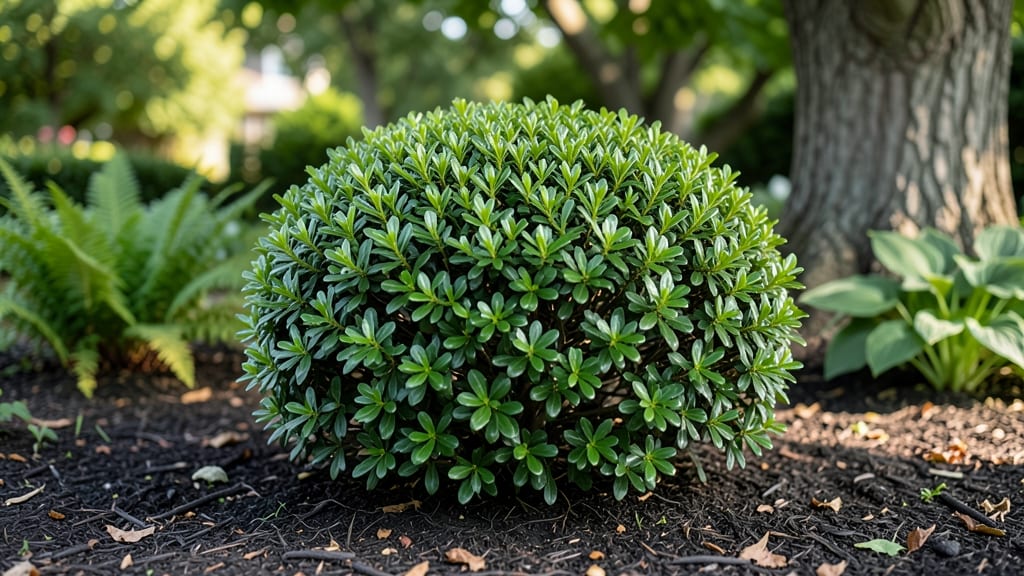
Boxwood shrubs thrive in shade where many plants struggle—year-round lushness without the fuss of constant pruning. 🌿 I’ve grown them under oak trees for years, and they’ve stayed dense, vibrant, and pest-free with almost no maintenance.
The secret lies in choosing the right variety and mimicking their natural woodland habitat. Most gardeners overwater or over-prune shade boxwoods, thinking they need more care. In reality, they prefer well-draining soil and only need watering when the top inch feels dry.
A light trim in late winter keeps them shaped without stressing the plant. By midsummer, your boxwoods will be thicker than ever, with glossy leaves that repel pests naturally. The best part? They stay green through winter, providing structure and color when other shrubs fade.
For full shade, opt for 'Green Velvet' or 'Winter Gem' varieties—they handle low light best. Avoid heavy clay soil, and you’ll have a low-maintenance evergreen that outshines the competition.
📚 In This Guide
- What you need
- Instructions
- Tips and common mistakes
- Wrapping up and next steps
What you need
- ● Boxwood plants: Choose Buxus sempervirens (English boxwood) or Buxus microphylla (dwarf boxwood) varieties. Buy 3–5 mature plants (3–5 ft tall) for a full, lush hedge or 1–2 plants for accent shrubs.
- ● High-quality potting soil or garden soil: 50 lbs (for in-ground planting) or 1–2 bags (for containers). Use well-draining, slightly acidic soil (pH 5.0–7.0).
- ● Organic compost or slow-release fertilizer: 5–10 lbs (e.g., 10-10-10 or a balanced shrub fertilizer) to boost growth.
- ● Mulch: 2–3 inches of shredded bark or pine straw to retain moisture and suppress weeds.
- ● Garden trowel or spade: For digging holes 2–3 times wider than the root ball.
- ● Pruning shears: Bypass pruners (sharp, clean) for shaping and trimming.
- ● Gloves: Heavy-duty gardening gloves to protect your hands.
- ● Watering can or hose: With a gentle spray nozzle for even watering.
- ● Measuring tape or ruler: To ensure proper spacing (3–5 ft apart for hedges, 4–6 ft for privacy screens).
- ● Slow-release fertilizer spikes for seasonal feeding.
- ● Plant support stakes if growing in windy areas.
- ● Container pots (if growing in 10–15 gallon containers) with drainage holes.
- ● Fungicide (e.g., copper-based) to prevent boxwood blight in humid climates.
Step-by-Step guide to planting and maintaining boxwood shrubs in shade
Boxwoods thrive in shade with the right care—here's how to establish them for year-round beauty.
🌱 Step 1: Select the Right Location and Prepare the Soil
Boxwoods tolerate shade but need partial shade—at least 4-6 hours of filtered light daily. Avoid deep shade where growth slows dramatically. Test your spot by observing nearby plants: if they stay lush but grow slowly, it's ideal. Dig a hole twice as wide as the root ball but only as deep—planting too deep suffocates roots.
Amend the native soil with 3 inches of compost mixed into the bottom of the hole. Boxwoods prefer slightly acidic to neutral soil (pH 5.0-7.0). If your soil is heavy clay, add 1 part peat moss to improve drainage. Water the hole thoroughly before planting to settle the soil—this prevents air pockets that can strangle roots.
🪴 Step 2: Plant Boxwoods at the Correct Depth and Spacing
Remove the shrub from its container and gently loosen the root ball if roots are circling. Place it in the hole so the top of the root ball sits level with the surrounding soil—never bury the stem. Boxwoods hate having their base covered. Space 4-6 feet apart for mature size, but closer (3 feet) if you want a dense hedge.
Backfill with native soil mixed with compost, tamping lightly every 2 inches to eliminate air gaps. Water deeply immediately after planting to encourage root contact with soil. Mulch with 2-3 inches of shredded bark (keep it 3 inches away from the stem) to retain moisture and suppress weeds. This mulch layer also protects roots from temperature swings.
☀️ Step 3: Water Consistently and Monitor Light Exposure
Water deeply twice weekly for the first 3 months, ensuring the soil stays evenly moist but not soggy. Boxwoods in shade need more frequent watering than those in sun—their slower growth means less water uptake. Check moisture by sticking your finger 2 inches deep: if dry, water until moisture reaches 6 inches down.
After establishment, reduce watering to once weekly unless rainfall is scarce. If leaves yellow or wilt, it's often a sign of overwatering or poor drainage. Boxwoods in deep shade may develop leggy growth—thin stems with sparse foliage. If this happens, move the plant to a slightly sunnier spot or prune to encourage bushier growth.
✂️ Step 4: Prune Strategically for Shape and Health
Boxwoods need minimal pruning—just light shaping in late spring or early summer after new growth appears. Use clean, sharp bypass pruners to make cuts just above a leaf node (where new growth emerges). Avoid heavy pruning, which stresses the plant. For hedges, shear gradually over 2-3 sessions to prevent shock.
Remove dead, diseased, or crossing branches at any time. If a branch is completely bare, cut it back to the main stem. Boxwoods respond well to formal or informal shaping, but never remove more than 1/3 of the foliage in one season. After pruning, apply a balanced fertilizer (10-10-10) lightly around the base to support recovery.
🌿 Step 5: Protect and Maintain Through Seasons
In winter, boxwoods need snow protection in cold climates (below 10°F). Wrap young plants with burlap or use a lightweight frost blanket, securing it loosely to allow airflow. Remove it in early spring before buds swell. In summer, watch for boxwood blight—a fungal disease causing brown spots. Remove infected leaves immediately and avoid overhead watering.
Fertilize once in early spring with a slow-release, low-nitrogen formula (5-10-5) to encourage dense growth without excessive foliage. Over-fertilizing leads to weak stems and pest attraction. If pests like boxwood leafminers appear, treat with neem oil or insecticidal soap—avoid harsh chemicals that harm the plant's natural defenses.
Tips & tricks for perfect boxwood shrub care in shade
Mastering boxwood maintenance requires understanding their subtle needs—here's how to avoid common pitfalls and elevate your shrubs' year-round appeal.
Site Selection Matters: The 4-6 hours of filtered light mentioned in Step 1 is non-negotiable. I've seen boxwoods struggle in spots that seem "shady enough"—look for areas where neighboring plants show slow but consistent growth. A simple trick: observe how nearby hostas or ferns perform. If they're thriving but growing slowly, that's your ideal location. Too much deep shade will lead to those dreaded leggy stems, which no amount of pruning can fully fix.
Root Ball Preparation: When loosening circling roots in Step 2, don't go overboard—just gently separate the outer perimeter with your fingers. I learned this the hard way after tearing through delicate feeder roots that actually help establish the plant faster. After planting, the immediate deep watering is crucial, but here's the pro move: add a handful of mycorrhizal fungi to the planting hole. These beneficial soil organisms help roots absorb nutrients more efficiently, especially in the first critical months.
Watering Wisdom: The twice-weekly watering schedule in Step 3 works perfectly, but timing matters just as much. Water in early morning to allow foliage to dry completely before evening—this prevents fungal issues like boxwood blight. And here's a visual cue: after watering, the top 2 inches of soil should feel like a damp sponge, not a soggy washcloth. If you're unsure, use a moisture meter; it's worth the investment for these high-maintenance shrubs.
Pruning Precision: That 1/3 foliage limit in Step 4 is your safety net, but there's a smarter way to prune hedges. Instead of shearing all at once, alternate sides each session—this creates a more natural, layered look while reducing stress. For formal hedges, use a string guide to maintain perfect lines. And always clean your pruners with rubbing alcohol between cuts to prevent disease spread.
Pro Tips for Boxwood Shrub For Shade
- Mastering boxwood maintenance requires understanding their subtle needs—here's how to avoid common pitfalls and elevate your shrubs' year-round appeal.
- Site Selection Matters: The 4-6 hours of filtered light mentioned in Step 1 is non-negotiable.
- Root Ball Preparation: When loosening circling roots in Step 2, don't go overboard—just gently separate the outer perimeter with your fingers.
Frequently asked questions
Got questions about growing boxwood shrubs for shade? You’re not alone! Here are answers to the most common queries to help you cultivate lush, low-maintenance greenery without the fuss.
Can boxwood shrubs survive in deep shade?
Yes! Boxwoods are one of the few shrubs that thrive in partial to full shade (4–6 hours of sunlight daily). In deep shade, they grow slower but stay dense and green. Just ensure good drainage—waterlogged soil can stress them. For extra vibrancy, place them near a dappled light spot (like under tall trees).
How long does it take for boxwood to establish in shade?
Boxwoods are patient plants! In shade, they take 2–3 years to fully establish a strong root system. During this time, water deeply once a week (unless it rains) and mulch to retain moisture. Once established, they’re drought-tolerant and need minimal care. Pro tip: Avoid heavy pruning in the first year to encourage root growth.
What’s the best alternative if boxwood grows too slowly in my shade?
If you want faster shade-loving shrubs, consider:
- Holly (Ilex) – Faster growth, glossy leaves, and berries for wildlife.
- Dwarf Fothergilla – Fragrant spring blooms and vibrant fall color.
- Inkberry Holly – Native, low-maintenance, and deer-resistant.
Why are my boxwood leaves turning yellow or brown in shade?
Yellowing leaves often signal overwatering, fungal issues, or poor drainage. Brown edges? It could be dry air or salt buildup from tap water. Troubleshooting steps:
Winter is not the best time to prune! Wait until early spring (just as new growth starts) to shape boxwoods. In shade, they grow slower, so prune lightly—never cut more than ⅓ of the plant at once. Use clean, sharp shears to avoid tearing. Pro tip: Prune after flowering (if yours bloom) to keep energy focused on foliage.
Prune affected branches to improve airflow and prevent spread.
Do boxwoods need pruning in winter for shade gardens?
Wrapping up and next steps
Incorporating a boxwood shrub for shade into your landscape is a game-changer—offering year-round greenery, low-maintenance beauty, and adaptability to shady spots. Whether you're trimming for shape, protecting your home from harsh sun, or simply adding structure to your garden, boxwoods deliver effortless elegance. 🌿
Ready to transform your shady areas? Start by selecting the right variety, prepping your soil, and giving these shrubs the care they thrive on. Plant one today, and enjoy the lush rewards for seasons to come!