
Shrubs
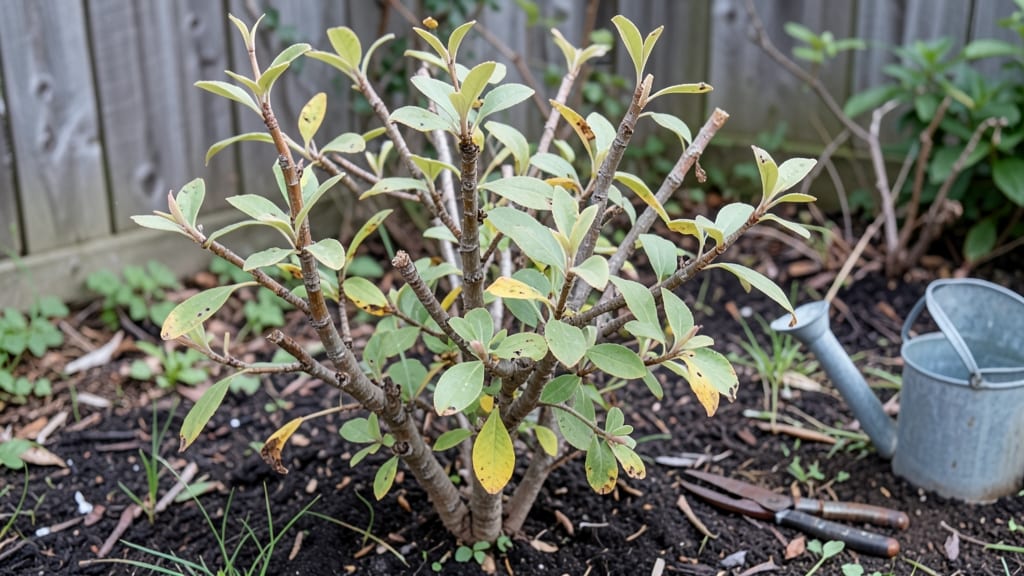
Those crispy edges and bare stems of your burning bush shrub are classic burning bush shrub problems, and they’re begging for a comeback—here’s how to revive them fast. 🌿 I’ve nursed back more than my share of these tough-looking plants, and I’ll show you the fixes that work when store-bought remedies fail. fail.
The real culprits are usually too much sun, underwatering, or fungal infections hiding in the soil. Most people assume these shrubs are low-maintenance, but they actually need consistent moisture and protection from harsh afternoon rays—especially in hotter zones.
A quick soil check and proper watering schedule can turn things around in just a few weeks.
You’ll see fresh green leaves pushing through within 2-3 weeks if you prune out the dead wood, adjust your watering, and apply a targeted fungicide if needed.
The key is acting fast—once the dieback spreads, recovery gets a whole lot harder. Think of this as a reset button for your shrub’s health.
Works for both established shrubs and younger plants struggling to take hold. The same principles apply whether you’re dealing with leaf scorch, spider mites, or that mysterious dieback that sneaks up on you. Let’s get your burning bush back to its bold, vibrant self.
Root Causes Behind Shrub Struggles
Understanding why your burning bush (Euonymus alatus) develops leaf scorch, dieback, or other stress symptoms starts with identifying the underlying triggers. These problems rarely stem from a single issue—often, a mix of environmental, biological, and cultural factors conspire against your shrub.
Let’s break down the most common culprits and why they happen, so you can address them proactively.
Burning bushes are hardy, but extreme heat and insufficient water can push them past their limits. Here’s the science:
- Transpiration Overload: When temperatures soar (especially above 90°F/32°C), your shrub’s leaves lose moisture rapidly through stomatal openings.
If the roots can’t replenish water fast enough, cells plasmolyze (shrink), causing leaf edges to crisp and turn brown—a classic sign of scorch. - Shallow Root Systems: Burning bushes have moderately deep but not drought-proof roots.
In well-drained soils, they struggle to access moisture during dry spells, leading to wilting and dieback. - Wind Exposure: High winds increase evaporative loss, drying leaves out even faster.
If your shrub is planted in an exposed, sunny location, it’s like leaving a glass of water in the desert—evaporation wins.
💡 Pro Tip: Mulch with 2–4 inches of organic mulch (like shredded bark) to retain soil moisture and regulate temperature. Water deeply 1–2 times per week (not daily shallow watering) to encourage root growth.
Poor soil health is a silent killer for burning bushes. Here’s how it backfires:
- Compacted or Sandy Soil: These soils drain too quickly, depriving roots of moisture and nutrients.
In clay-heavy soils, poor aeration suffocates roots, preventing them from absorbing water efficiently. - Nutrient Deficiencies: - Iron (Fe) or Magnesium (Mg) Deficiency: Causes interveinal chlorosis (yellowing between veins), weakening the shrub’s ability to photosynthesize. - Potassium (K) Shortage: Leads to weak cell walls, making leaves more susceptible to scorch and disease. - pH Problems: Burning bushes thrive in slightly acidic to neutral soil (pH 6.0–7.0).
If your soil is too alkaline (pH >7.5), essential nutrients like iron and manganese become locked away, starving the plant.
🔍 Test Your Soil: Use a home soil test kit or send a sample to a local extension office. Amend with compost, sulfur (for alkaline soil), or chelated iron if needed.
A healthy burning bush can fight off most pests, but stress from other issues (like drought or poor soil) makes it an easy target. Common offenders:
| Pest/Disease | How It Damages the Shrub | Signs to Watch For |
|---|---|---|
| Spider Mites | Pierce leaves to feed, causing stippling and browning. | Tiny webs, yellow speckling on undersides of leaves. |
| Scale Insects | Suck sap, weakening the plant and attracting sooty mold. | Sticky residue, white/brown bumps on stems. |
| Powdery Mildew | Fungal infection thrives in humid, shaded conditions, coating leaves in white powder. | White fuzzy patches, leaf curl, reduced photosynthesis. |
| Canker Diseases | Fungal/bacterial infections kill bark tissue, leading to dieback. | Sunken, oozing lesions on stems. |
🛡️ Prevention: Keep your shrub well-watered and pruned for airflow. Treat infestations early with neem oil (for mites/scale) or fungicides (for mildew/canker).
Burning bushes are resilient, but aggressive pruning or injury can trigger stress responses:
- Over-Pruning: Cutting back more than 1/3 of the shrub in one season removes too much foliage, reducing its ability to photosynthesize and store energy.
- Wrong Time to Prune: Pruning in late summer or early fall encourages new growth that won’t harden off before winter, making it vulnerable to freeze damage.
- Mechanical Injury: Lawnmower burns, string trimmer cuts, or animal damage can sever bark or roots, creating entry points for disease.
✂️ Best Practices:
- Prune in early spring (before new growth) or late winter.
- Use clean, sharp tools to make smooth cuts just above a bud.
- Avoid topping (cutting back to stubs)—it encourages weak growth.
Burning bushes can’t control the weather, but sudden changes can push them into decline:
- Late-Freeze Damage: New spring growth is most vulnerable to 28°F/-2°C temps.
If buds or leaves freeze, they turn black and crisp, mimicking drought stress. - Salt Burn: If your shrub is near a road treated with de-icing salt, the high sodium levels in the soil disrupt water absorption, causing leaf scorch and root death. - Hail or Heavy Rain: Physical damage from hail or waterlogged soil (from poor drainage) can smother roots or break branches, inviting disease.
🌿 Solution: After extreme weather, inspect for damage and water deeply to help recovery. If salt is the issue, flush the soil with water and apply gypsum to improve drainage.
Quick fixes for leaf scorch & shrub health
Reviving your burning bush shrub starts with identifying the root cause—but once you’ve pinpointed the issue, action is key! Below are practical, step-by-step solutions for common problems like leaf scorch, dieback, and poor growth, along with prevention tips to keep your shrub thriving.
Whether it’s overwatering, underwatering, pests, or disease, these fixes will help your burning bush bounce back—fast!
Problem: Brown, crispy edges or wilting leaves often mean your shrub is either drowning in moisture or thirsty for hydration.
💧 Step 1: Check the Soil Moisture
- Stick your finger 2–3 inches into the soil—if it’s soggy, you’re overwatering; if dry, it’s time to water.
- Pro Tip: 🌡️ Use a moisture meter for accuracy, especially in clay-heavy soils that retain water.
🚿 Step 2: Adjust Your Watering Routine
- For Overwatering:
- Let the top 1–2 inches of soil dry out between waterings.
- Improve drainage by amending soil with compost or perlite (mix in a 50/50 ratio).
- Ensure the pot (if potted) has drainage holes—no exceptions!
- For Underwatering:
- Water deeply but infrequently (1–2 times per week, depending on climate).
- Morning watering reduces evaporation and fungal risks.
🌱 Step 3: Prune Damaged Leaves
- Snip off only the brown, crispy leaves—healthy green growth will return as the shrub recovers.
- Avoid heavy pruning unless necessary; focus on selective trimming to reduce stress.
💡 Prevention Tip:
- Mulch around the base (2–3 inches of organic mulch) to retain moisture without suffocating roots.
- Water at the base, not overhead, to prevent fungal spores from splashing onto leaves.
Problem: Yellowing leaves, holes, or sticky residue? Pests like spider mites, aphids, or scale insects (plus fungal diseases like powdery mildew) can weaken your shrub.
🦟 Step 1: Identify the Culprit
- Aphids: Tiny green/black bugs clustering on new growth.
- Spider Mites: Fine webbing on undersides of leaves.
- Scale Insects: Bumpy, immobile spots on stems/leaves.
- Powdery Mildew: White, flour-like coating on leaves.
🧼 Step 2: Treat Infestations Naturally
| Pest/Disease | Fix It With This | How to Apply |
|---|---|---|
| Aphids | Neem oil or insecticidal soap | Spray early morning/evening (avoid direct sun). Repeat every 5–7 days. |
| Spider Mites | Water spray + horticultural oil | Blast mites off with a strong water jet, then apply oil. |
| Scale Insects | Rubbing alcohol (70%+) | Dab with a cotton swab on each bug. Follow up with neem oil. |
| Powdery Mildew | Baking soda spray | Mix 1 tsp baking soda + 1 quart water + a drop of dish soap. Spray weekly. |
🌿 Step 3: Boost Shrub Immunity
- Fertilize lightly with a balanced, slow-release fertilizer (10-10-10) in early spring.
- Prune for airflow—remove dense branches to reduce humidity (pests/disease love damp, crowded spots).
💡 Prevention Tip:
- Inspect new plants before bringing them home—quarantine for a week if possible.
- Encourage beneficial insects (like ladybugs) by planting marigolds or dill nearby.
Problem: Large patches of dead wood or blackened stems? Your burning bush may be stressed from poor pruning, winter damage, or disease.
🔪 Step 1: Prune at the Right Time
- Best time: Late winter or early spring (before new growth starts).
- Avoid pruning in fall—it invites fungal infections and weakens winter resilience.
🌿 Step 2: Cut Back Correctly
- Dead or diseased wood: Remove entirely—cut back to healthy green tissue.
- Overgrown branches: Prune to open the center for better airflow (but never remove more than 1/3 of the shrub at once).
- Use clean, sharp shears—sterilize with rubbing alcohol between cuts to prevent spreading disease.
🌱 Step 3: Stimulate New Growth
- After pruning, apply a layer of compost around the base (but keep it 2 inches away from the stem).
- Water deeply to help roots recover.
💡 Prevention Tip:
- Avoid "topping" (cutting back to stubs)—it stresses the shrub and leads to weak regrowth.
- Mulch annually with wood chips or shredded bark to protect roots in winter.
Once your shrub is back in shape, keep it happy with these easy maintenance habits: - Sunlight: Full sun (6+ hours/day)—this shrub loves it! - Soil: Well-draining, slightly acidic (pH 6.0–7.0).
Amend heavy clay with sand or compost. - Fertilizer: Once a year in spring—too much nitrogen causes weak growth. - Winter Prep: Mulch heavily (4–6 inches) in USDA Zones 4–5 to protect roots from freeze-thaw cycles.
Final Thought: 🎯 With the right care, your burning bush can recover from even severe damage—just act fast and stick to the basics. Most problems are preventable with consistent watering, smart pruning, and a little pest vigilance. Now go give that shrub the TLC it deserves! 🌿✨
Frequently asked questions
Why are my burning bush leaves turning brown and crispy at the edges?
This classic leaf scorch usually happens from too much sun exposure combined with underwatering. Burning bushes need consistent moisture—especially in hot afternoons. Check soil moisture 2-3 inches deep; if dry, water deeply 1-2 times per week and mulch with 2-3 inches of organic material to retain moisture.
How do I tell if my burning bush has spider mites or just dry leaves?
Spider mites leave tiny webs on leaf undersides and cause speckled yellowing, while dry leaves turn uniformly brown. Inspect closely—hold a white sheet under leaves and shake branches to spot mites. Treat with a water spray followed by horticultural oil if confirmed. For dry leaves, simply adjust watering and prune damaged foliage.
Can I prune my burning bush in summer to fix its messy shape?
Pruning in summer stresses the shrub and invites disease. Instead, wait for late winter or early spring before new growth starts. Remove only dead/diseased wood—never cut back more than 1/3 of the shrub at once. Use clean, sharp shears and sterilize between cuts to prevent spreading infections.
What causes blackened stems on my burning bush?
Blackened stems usually signal canker disease (fungal/bacterial) or winter damage. Prune affected areas back to healthy green tissue, sterilize tools between cuts, and improve airflow by thinning dense branches. For prevention, mulch heavily in winter and avoid overhead watering.
How often should I fertilize my burning bush?
Once a year in early spring is plenty! Use a balanced, slow-release fertilizer (10-10-10). Over-fertilizing—especially with nitrogen—weakens the shrub and attracts pests. Focus on soil health first: amend with compost and ensure proper drainage.