
Pruning
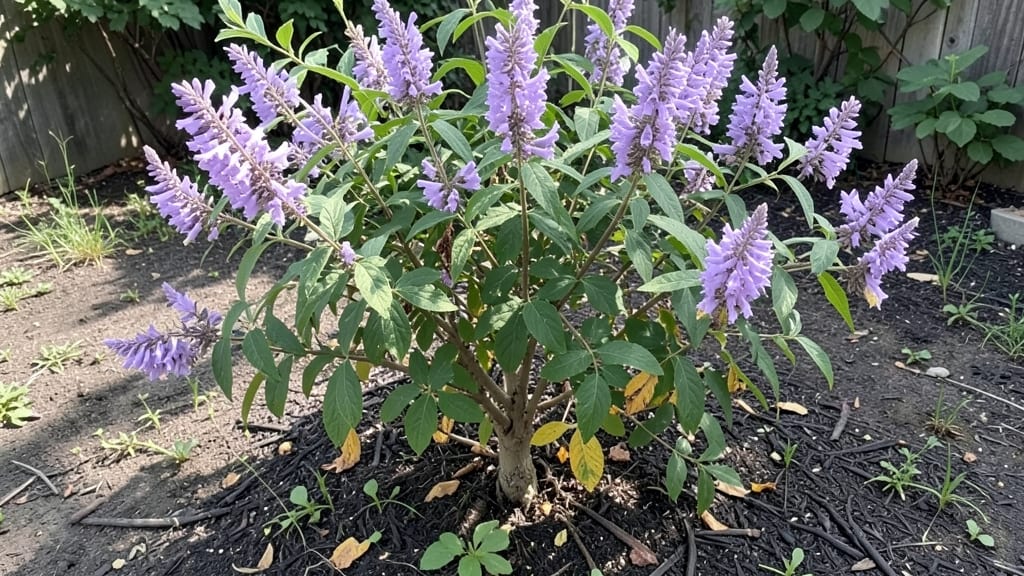
The butterfly bush shrub delivers nonstop blooms that keep your garden buzzing with butterflies from early summer until frost. 🌿 I planted mine three years ago after watching a neighbor’s yard transform into a fluttering paradise—now I can’t imagine a garden without it.
This hardy shrub thrives in full sun with well-draining soil and tolerates drought once established, making it perfect for low-maintenance spaces. The secret to its long flowering season?
A single annual pruning in late winter to shape the plant and encourage fresh growth. Even beginners can master this—just follow the three-step method I’ll share.
By summer’s end, you’ll have a shrub covered in fragrant purple, pink, or white blossoms that attract dozens of butterfly species daily. The blooms are so prolific that they’ll outshine store-bought flowers, and the plant’s fast growth means you’ll see results within months.
Works in USDA zones 5-9, whether planted as a standalone specimen or grouped with other pollinator-friendly plants. Let’s get yours thriving with minimal effort and maximum impact.
Why Butterfly Bushes Struggle
Butterfly bushes (Buddleja davidii) are prized for their vibrant blooms and low-maintenance charm, but even these hardy shrubs can face issues that disrupt their lush growth. Understanding the root causes behind common problems—like sparse blooms, leaf drop, or weak stems—helps gardeners take targeted action.
Below, we break down the science behind why these issues occur and how to address them before they worsen.
Butterfly bushes thrive in well-draining soil with moderate fertility, but when planted too closely to other shrubs or trees, their roots compete for nutrients, water, and space. Root-bound stress triggers several symptoms:
- Stunted growth: Roots struggle to absorb water and nutrients efficiently, leading to slower growth or yellowing leaves (chlorosis).
- Reduced blooms: The plant diverts energy to root expansion instead of flower production.
- Susceptibility to disease: Crowded roots trap moisture, creating ideal conditions for fungal infections like Botrytis or root rot.
Actionable fix: Test your soil’s pH (ideal range: 6.0–7.5) and amend with compost or organic matter. If roots are visibly tangled, gently prune them during transplanting and space new plants 3–5 feet apart.
Butterfly bushes are drought-tolerant but can’t handle extreme heat, cold snaps, or sudden temperature swings. Environmental stress manifests as:
- Winter dieback: Young shoots or tender stems may blacken if temperatures dip below -10°F without protection.
- Leaf scorch: Hot, dry winds or full-sun exposure (especially in arid climates) cause edges to crisp or brown.
- Flower bud drop: Heatwaves above 90°F can cause buds to abort before opening.
Actionable fix:
- Mulch heavily (3–4 inches of wood chips) in late fall to insulate roots.
- Provide afternoon shade in scorching climates or use shade cloth (30–50% coverage).
- Water deeply once a week during droughts to encourage deep root growth.
Healthy butterfly bushes repel pests naturally, but nutritional deficiencies or physical damage weaken their defenses, inviting:
| Pest/Disease | Signs | Cause |
|---|---|---|
| Aphids | Sticky honeydew, curled leaves, stunted growth | Feast on sap when nitrogen is low or after pruning stress. |
| Powdery Mildew | White fungal coating on leaves, leaf drop | Thrives in humid conditions (70%+ humidity) with poor airflow. |
| Spider Mites | Yellow stippling, fine webbing on undersides | Proliferate in dry, dusty conditions or after drought stress. |
Actionable fix:
- Prune for airflow (remove 1/3 of dense growth annually).
- Spray leaves with neem oil or insecticidal soap at first signs of pests.
- Water at the base (not overhead) to reduce fungal spores.
Butterfly bushes bloom on new wood, meaning they rely on current season’s growth for flowers. Mistimed or aggressive pruning can:
- Remove next year’s blooms: Cutting back too late (after early summer) severs flower buds.
- Encourage leggy growth: Pruning only the tops leaves lower branches bare.
- Stress the plant: Heavy pruning in fall or winter delays spring recovery.
Actionable fix:
- Prune right after flowering (late summer) to shape and encourage new growth.
- Cut back 1/3 of the oldest stems to the ground to rejuvenate.
- Avoid shearing—use hand pruners for targeted cuts.
Revitalize Your Shrub’s Health
Your butterfly bush (or Buddleia) is a hardy, low-maintenance plant—but even the toughest shrubs need a little TLC to keep blooming beautifully year after year. Below, we’ll tackle common issues with practical fixes and prevention tips to keep your shrub thriving with minimal fuss. 🌿✨
A butterfly bush that stretches tall and sparse loses its lush, bushy appeal. Overgrowth often happens when pruning is skipped or done at the wrong time.
🔥 Fix It: Prune Like a Pro
- 🍳 When to Prune:
- Late Winter/Early Spring (Best Time): Prune back by ⅓ to ½ of its height before new growth starts.
This encourages dense, bushy growth. - After Blooming (Light Trim): If you missed the spring prune, wait until after flowering (usually late summer) to trim back dead or overcrowded branches to maintain shape. - ⏰ Avoid Fall Pruning: Pruning in fall can stimulate tender new growth that won’t survive winter.
- 👨🍳 How to Prune:
- Use clean, sharp pruners or loppers to make angled cuts just above a leaf node or bud.
- Remove dead, crossing, or weak branches first.
- For a full rejuvenation, cut back older stems to the ground—your bush will sprout fresh growth from the base!
- 🌡️ Pro Tip: If your bush is woody and unruly, try a hard prune in early spring. Many butterfly bushes respond well to aggressive trimming!
Yellowing leaves, black spots, or a fuzzy white coating on foliage? Fungal issues thrive in humid, poorly ventilated spaces. Butterfly bushes are generally resistant, but stress (like overwatering) can invite problems.
🔥 Fix It: Clean Up and Prevent Fungus
- 🔪 Remove Affected Parts:
- Prune off any leaves or stems with visible spots or mildew immediately to stop the spread.
- Dispose of clippings in the trash (not compost)—fungus can linger!
- 🌡️ Improve Airflow & Light:
- Thin out dense growth to let air circulate.
- Ensure your bush gets at least 6 hours of sunlight daily—fungus loves shady, damp conditions.
- 💡 Prevention Tips:
- Water at the base (avoid wetting leaves) and early in the day so foliage dries quickly.
- Apply a copper fungicide (like Bonide Copper Fungicide) as a preventative spray in spring if your area is prone to fungal issues.
- Mulch around the base with gravel or pine straw to reduce soil moisture retention.
If your butterfly bush is all leaves and no flowers, it’s likely due to over-pruning at the wrong time, nutrient deficiencies, or lack of sunlight. These bushes bloom on new wood, so timing matters!
🔥 Fix It: Encourage More Flowers
- 🍳 Prune for Blooms:
- Never prune after mid-summer—this removes next year’s flower buds!
- If you pruned too late last year, skip heavy pruning this spring and focus on fertilizing instead.
- 💪 Feed Your Shrub:
- Apply a balanced, slow-release fertilizer (like 10-10-10) in early spring and again after blooming.
- For extra blooms, use a phosphorus-rich fertilizer (like 5-10-5) to support flowering.
- ☀️ Check Light & Space:
- Butterfly bushes need full sun (6+ hours/day). If shaded, move it or trim nearby trees.
- If overcrowded, thin out branches to improve airflow and sunlight penetration.
- 🎯 Pro Tip: Deadhead spent blooms in late summer to redirect energy into new growth for next year’s flowers!
Sticky leaves, tiny webs, or chewed foliage? Pests can stress your butterfly bush, but they’re usually easy to manage.
🔥 Fix It: Natural Pest Control
- 🔪 Manual Removal:
- Blast off aphids with a strong spray of water (they hate this!).
- Handpick caterpillars or use a drop cloth to shake them into soapy water.
- 🌿 Organic Sprays:
- Neem oil (mix with water and a drop of dish soap) – spray every 5–7 days until pests are gone.
- Insecticidal soap – effective for aphids and spider mites (reapply after rain).
- 💡 Prevention Tips:
- Encourage beneficial insects like ladybugs and lacewings by planting nearby pollinator-friendly flowers.
- Keep your bush healthy—stressed plants attract more pests!
If your butterfly bush looks crispy or dead after winter, it might be from freeze damage, dehydration, or improper pruning. Don’t panic—these shrubs are resilient!
🔥 Fix It: Revive After the Cold
- 🍳 Prune Dead Wood:
- In late winter, cut back any blackened or brittle stems to the green wood.
- If the entire stem is dead, remove it—new growth will sprout from the base!
- 💧 Hydrate & Mulch:
- Water deeply in early spring to rehydrate roots.
- Add a 2–3 inch layer of mulch around the base (but keep it away from the stem) to protect roots from temperature swings.
- ☀️ Give It Time:
- Butterfly bushes rebound quickly—if you see green buds in spring, new growth is on the way!
Frequently asked questions
How fast does a butterfly bush grow once established?
Mature butterfly bushes grow 3–5 feet per year under ideal conditions. In the first growing season, expect 1–2 feet of new growth, while established plants can add 2–3 feet annually with proper pruning and sunlight. Their rapid growth makes them perfect for quickly filling garden spaces or creating privacy screens.
Can butterfly bushes grow in containers?
Yes! Dwarf varieties like 'Lo & Behold' thrive in containers (choose pots at least 18–24 inches wide). Use well-draining potting mix with 50% perlite or sand to prevent root rot. Place containers in full sun and water when the top 1–2 inches of soil dry out. Fertilize monthly during growing season for best results.
Why aren't my butterfly bushes attracting butterflies?
Butterflies need three key elements: blooms, nectar, and perching spots. Ensure your shrub has healthy, open flowers (not over-pruned), plant nearby host plants like milkweed, and avoid pesticides. Also, morning sun with afternoon shade creates ideal conditions. If blooms appear but butterflies stay away, try adding a shallow water source nearby.
Are butterfly bushes invasive in my area?
In USDA zones 5–9, butterfly bushes are generally not invasive, but some states (like California) consider them aggressive due to their prolific seed production. Check local regulations before planting. For safer alternatives, try sterile cultivars like 'Miss Ruby' or 'Royal Red' that produce fewer seeds. Always prune spent blooms promptly to minimize spread.
How do I overwinter a butterfly bush in cold climates?
In zones 4 or colder, protect young plants with 3–4 inches of mulch and wrap the base with burlap. For container-grown bushes, move pots to a sheltered spot against a south-facing wall. Prune back dead stems in late winter, then fertilize when new growth appears. Most varieties survive down to -10°F with proper protection.