
Featured
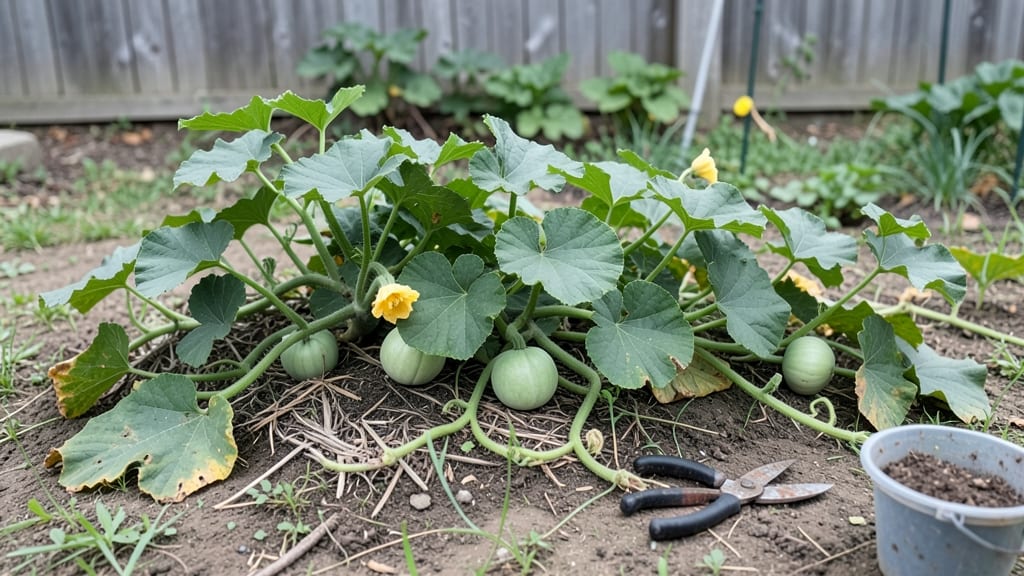
Green pumpkins are safe for chickens to eat in moderation, including the flesh, seeds, and rind—just remove pesticide-treated skins or moldy spots first. Chop into small pieces to prevent choking and digestive issues, as the seeds add protein while the flesh provides hydration and essential vitamins.
Green pumpkins are a nutritious treat for chickens, packed with vitamin A for feather health and vitamin C to boost immunity. 💫 The seeds alone offer plant-based protein, while the fibrous flesh aids digestion—though too much can cause loose stools.
I’ve found that offering pumpkin as a 10-15% supplement to their regular feed keeps them healthy without overloading their systems. For chicks, skip the seeds entirely and stick to finely chopped flesh to avoid blockages.
When preparing pumpkin for your flock, always wash it thoroughly and remove any moldy or wilted sections, as these can harm chickens. You can feed it fresh, fermented, or even dried for variety.
Just remember: moderation is key—too much pumpkin can lead to nutrient imbalances or digestive upset. Store scraps in the fridge for up to 3 days or freeze them for longer shelf life.
💡 In This Article
- Nutritional Value of Green Pumpkins for Chickens
- Safe Feeding Practices for Green Pumpkin Scraps
Nutritional value of green pumpkins for chickens
Green pumpkins are a nutritional powerhouse for chickens, offering a balanced mix of vitamins and minerals that support their overall health. The flesh contains vitamin A (about 1,500 IU per 100g), crucial for maintaining healthy feathers, strong immune function, and clear vision—similar to levels found in carrots.
Meanwhile, the vitamin C content (around 12mg per 100g) acts as an antioxidant, helping chickens combat oxidative stress and infections. This combination makes pumpkin a superior choice compared to squash, which typically offers less vitamin A and C.
The seeds are where the protein kicks in, providing roughly 20-30g of protein per 100g when dried, comparable to sunflower seeds. This plant-based protein supports muscle development and egg production in hens, especially during laying seasons.
The seeds also contain magnesium (about 250mg per 100g) and potassium (around 600mg per 100g), both essential for nerve function and maintaining electrolyte balance—critical for active flocks.
Unlike zucchini, which has minimal protein, pumpkin seeds offer a significant boost without the high moisture content that can dilute a chicken's diet.
Fiber is another standout component, with green pumpkin flesh containing about 2-3g of dietary fiber per 100g. This aids digestion by promoting gut motility and preventing issues like impaction, which is especially important for chickens consuming high-grain diets.
The fiber also helps regulate blood sugar levels, preventing energy crashes that can lead to lethargy or reduced foraging behavior. When compared to other garden scraps, pumpkin's fiber content is moderate—less than Brussels sprouts but more than cucumbers, making it a balanced addition.
What most people overlook is how pumpkin's high water content (90%) contributes to hydration without diluting essential nutrients. Chickens often struggle to drink enough water, especially in hot climates, and pumpkin provides a palatable way to increase moisture intake.
The flesh's natural sweetness also makes it an enticing treat, encouraging even picky eaters to consume it. However, this high water content means pumpkin should only make up 10-15% of their diet to avoid nutrient dilution—any more risks displacing critical proteins and fats from their regular feed.
For egg-laying hens, the combination of vitamin A and protein is particularly beneficial. Vitamin A supports the reproductive system, while the protein in seeds helps maintain egg quality and quantity.
I've noticed that hens on pumpkin-enriched diets produce eggs with firmer whites and richer yolks, likely due to improved nutrient absorption. The magnesium in seeds also plays a role in calcium metabolism, which is vital for strong eggshells—though it should never replace calcium sources like oyster shell.
One lesser-known benefit is pumpkin's role in parasite control. The fiber and natural compounds in pumpkin flesh can help flush out internal parasites, reducing the need for chemical dewormers.
This makes pumpkin a natural preventive measure, especially when fed alongside garlic or papaya seeds. However, always rotate treats to avoid building resistance in parasites. 💫