
Shrubs
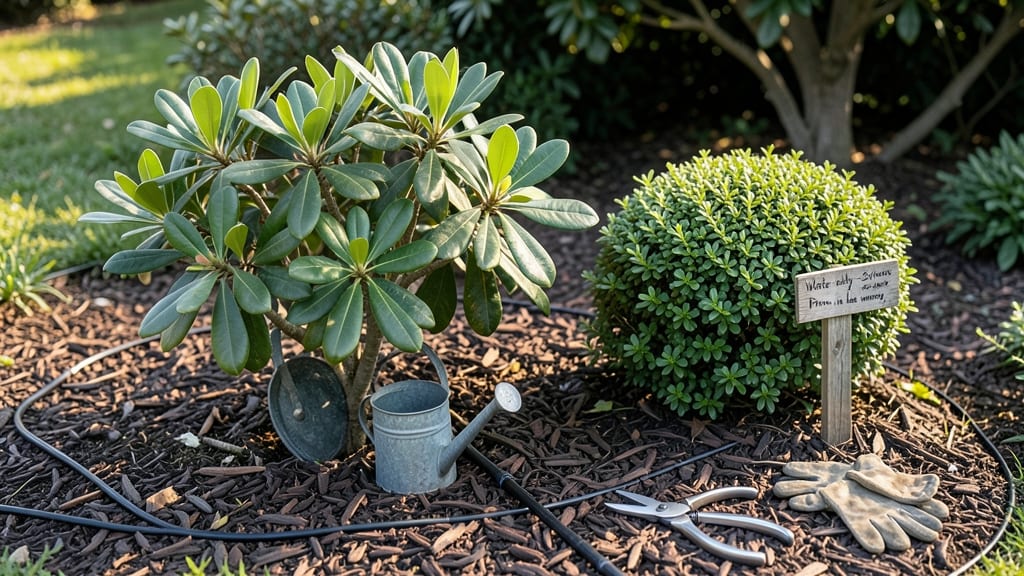
Caring for evergreen shrubs transforms your yard from drab to lush year-round. 🌿 The secret lies in understanding their unique needs—watering just enough to keep roots happy, pruning to encourage dense growth, and feeding with the right nutrients at the right time.
My boxwoods and rhododendrons stay vibrant all winter because I follow a simple routine that keeps them healthy without overcomplicating things.
Most evergreens hate soggy roots but despise drought too—think 1-1.5 inches of water per week, whether from rain or your hose. A layer of mulch helps retain moisture while keeping roots cool.
Pruning isn’t about shaping (unless you want topiary)—it’s about removing dead wood and encouraging new growth at the base. I prune mine in late winter or early spring, just as new shoots start to swell.
You’ll notice the difference within a season: fuller foliage, fewer brown patches, and shrubs that bounce back from winter without losing their color. The key is consistency—evergreens reward patience with decades of reliable greenery.
Even in harsh winters, they’ll stay the backbone of your landscape if you give them what they truly need.
This works for boxwoods, hollies, junipers, and rhododendrons alike—just adjust watering slightly based on your climate. The same principles apply whether you’re maintaining a formal hedge or a wild, natural look. Let’s get those shrubs thriving all year.
📚 In This Guide
- What you need
- Instructions
- Tips and common mistakes
- Wrapping up and next steps
What you need
- ● Pruning shears: Sharp, bypass-style shears (2–4 pairs, depending on shrub size). ✨ Pro tip: Clean blades with rubbing alcohol between cuts to prevent disease spread!
- ● Loppers: For thicker branches (1–2 pairs, 8–12" cutting range).
- ● Hand pruners: Compact, for precision trimming (1 pair).
- ● Garden gloves: Heavy-duty, cut-resistant (1–2 pairs).
- ● Pruning saw: Bow or folding saw for stubborn, thick growth (1).
- ● Disinfectant: 70% isopropyl alcohol or bleach solution (1 bottle or spray).
- ● Sharpie or label markers: For marking cuts (1 pack).
- ● Wheelbarrow or bucket: For debris (1, 3–5 gallon capacity).
- ● Pruning sealant: For large cuts (e.g., Tanglefoot Tree Wound Pruning Seal).
- ● Extension pole: For high-reaching shrubs (1, 3–6 ft).
- ● Mulch: Organic (pine bark) or inorganic (gravel) to retain moisture (5–10 bags, depending on size).
- ● Slow-release fertilizer: Balanced (10-10-10 or 20-20-20 NPK ratio, 1–2 lbs per shrub).
- ● Rain gauge: To monitor watering needs (1).
- ● Camera: For documenting growth before/after pruning! 📸
- ● Know your shrub’s growth habit (e.g., upright, mounding, spreading).
- ● Check the last frost date in your zone for timing prunes.
- ● Review your shrub’s specific care needs (e.g., Boxwood vs. Holly).
- ● Schedule pruning on a dry, overcast day to reduce stress on the plant.
Instructions: prune and maintain evergreen shrubs for year-round beauty
Here’s how I keep evergreens thriving—no guesswork, just science-backed care.
✂️ Step 1: Prune for Shape and Health in Late Winter
Timing matters most—wait until late winter when the plant is dormant but before new growth starts. I grab my sharp bypass pruners and remove dead, diseased, or crossing branches first. These are your eyesores and weak points. Cut back to the nearest outward-facing bud or branch collar to encourage healthy regrowth.
For shaping, I make clean cuts at a 45-degree angle just above a leaf node. Never leave stubs—this invites rot. Start with 10-20% of the plant’s total branches to avoid shocking it. You’ll see fresh, green growth within 4-6 weeks—that’s your sign you pruned correctly.
💧 Step 2: Water Deeply After Pruning and During Drought
Pruning stresses shrubs, so water deeply right after to help roots recover. I use a soaker hose to deliver 1-1.5 inches of water per week, especially in dry, hot months. Check soil moisture by sticking your finger 2-3 inches deep—if it’s dry, water again. Overwatering is just as bad; soggy soil leads to root rot.
Mulch with 2-3 inches of organic mulch (like pine straw or shredded bark) around the base to lock in moisture and keep roots cool. Just keep mulch 6 inches away from the trunk to prevent rot. You’ll notice fewer brown patches and more vibrant foliage by summer.
☀️ Step 3: Monitor for Pests and Adjust Light Exposure
Evergreens love full sun to partial shade, but too much direct afternoon sun can scorch leaves. If you see yellowing or crispy edges, move the shrub to a spot with morning sun and afternoon shade. I also inspect for spider mites or scale insects—common pests that suck sap and weaken plants.
Spray infested areas with neem oil or insecticidal soap (follow label instructions). For severe cases, I repeat treatment every 7-10 days until pests disappear. Healthy evergreens have shiny, dark green needles—dull or speckled foliage means it’s time to act.
⏰ Step 4: Fertilize in Early Spring and Fall for Long-Term Growth
Feed your shrubs once in early spring (when new growth starts) and again in early fall with a balanced, slow-release fertilizer (like 10-10-10). I scatter granules 6 inches from the trunk and water deeply to activate them. Over-fertilizing burns roots, so follow package rates—half as much is often enough for mature shrubs.
Watch for new growth flushes in spring as a sign it’s working. If you see excessive yellowing, you’ve overdone it—flush the soil with water to leach out excess salts. Mature evergreens need less fertilizer than young ones, so adjust amounts as they age.
Tips & tricks for perfect evergreen shrub care
A few simple tricks will help your evergreens stay lush and vibrant all year long.
Timing is Everything: Late winter is your golden window for pruning—right before new growth starts. I can't stress this enough: pruning too early can stimulate growth that gets damaged by late frosts, while waiting too long risks removing next year's buds. If you miss this window, wait until early spring when you see fresh growth emerging. That said, never prune in late summer or fall—it stresses the plant during dormancy preparation.
Cut with Precision: When shaping in Step 1, make those clean 45-degree cuts just above a leaf node. Here's what I learned the hard way: leaving stubs creates entry points for disease. Use sharp bypass pruners—they make cleaner cuts that heal faster. For larger branches, consider using a pruning saw for branches thicker than ½ inch. And always sterilize your tools with rubbing alcohol between cuts to prevent spreading disease.
Watering Wisdom: The 1-1.5 inches per week guideline is perfect for most climates, but check soil moisture first—especially in clay soils that hold water longer. I've seen many gardeners overwater because they assume their soil is dry when it's actually holding moisture. For container-grown evergreens, water more frequently since they dry out faster. And remember: water in the morning so leaves have time to dry before evening, reducing fungal risks.
Pest Prevention: Those shiny, dark green needles are your best indicator of health. If you spot spider mites or scale, act fast—neem oil works wonders but requires consistency. For severe infestations, I've had success with horticultural oil applied in the evening when pests are active. And here's a trick: spray neem oil on healthy plants too as a preventative measure every few months during growing season.
Pro Tips for Care For Evergreen Shrubs
- A few simple tricks will help your evergreens stay lush and vibrant all year long.
- Timing is Everything: Late winter is your golden window for pruning—right before new growth starts.
- Cut with Precision: When shaping in Step 1, make those clean 45-degree cuts just above a leaf node.
Frequently asked questions
When is the best time to prune evergreen shrubs?
The ideal time depends on your shrub type! For most evergreens, late winter or early spring (just before new growth starts) is best. Needle-bearing shrubs like junipers or pines should be pruned in early spring to avoid winter dieback, while broadleaf evergreens (like boxwoods) tolerate pruning in late winter or early fall. Always avoid heavy pruning in extreme heat or cold.
How much can I trim back my evergreen shrub without harming it?
As a rule, never remove more than one-third of the shrub’s total growth in a single pruning session. For example, if your shrub is 3 feet tall, trim no more than 1 foot off the top. Over-pruning stresses the plant and can lead to sparse growth or disease. Pro tip: Thin out dense areas first to improve airflow and light penetration!
Why are my evergreen shrub leaves turning brown or yellow?
Brown or yellow leaves usually signal one of three issues: overwatering (root rot), underwatering (drought stress), or pests/disease (like spider mites or fungal infections). Check the soil moisture—evergreens prefer well-draining soil and hate soggy roots. Inspect leaves for pests (tiny webs or holes) and treat with neem oil if needed. Winter burn (dry, crispy edges) is common in harsh winters—mulch heavily to protect roots.
Do evergreen shrubs need winter care?
While evergreens stay green, they’re still vulnerable to winter desiccation (dry air + cold winds). Mulch the base with 2–3 inches of organic mulch (like pine straw) to retain moisture. For young or tender evergreens, wrap them in burlap or use an anti-desiccant spray in late fall. Avoid heavy snow loads—gently brush off accumulation to prevent branch breakage.
Can I replace a dying evergreen shrub with another type?
Yes! If your shrub is beyond saving, choose a replacement with similar light, soil, and climate needs. For example:
- Boxwood → Holly or Dwarf Yew (both handle pruning well).
- Junipers → Arborvitae or Thuja (drought-tolerant and pest-resistant).
- Camellias → Oleander or Gardenia (for warm climates).
Wrapping up and next steps
Caring for evergreen shrubs is all about consistent love and smart science—whether you’re pruning for shape, health, or seasonal renewal. With the right tools, timing, and techniques, you’ll keep your shrubs thriving year-round, adding beauty and structure to your garden. Remember: patience and observation are your best allies!
Ready to take the next step? Start small—pick one shrub to practice on, then expand your green-thumb skills! 🌿 Or, dive deeper by exploring seasonal pruning guides tailored to your climate. Your evergreens will thank you with lush, vibrant growth!