
Shrubs
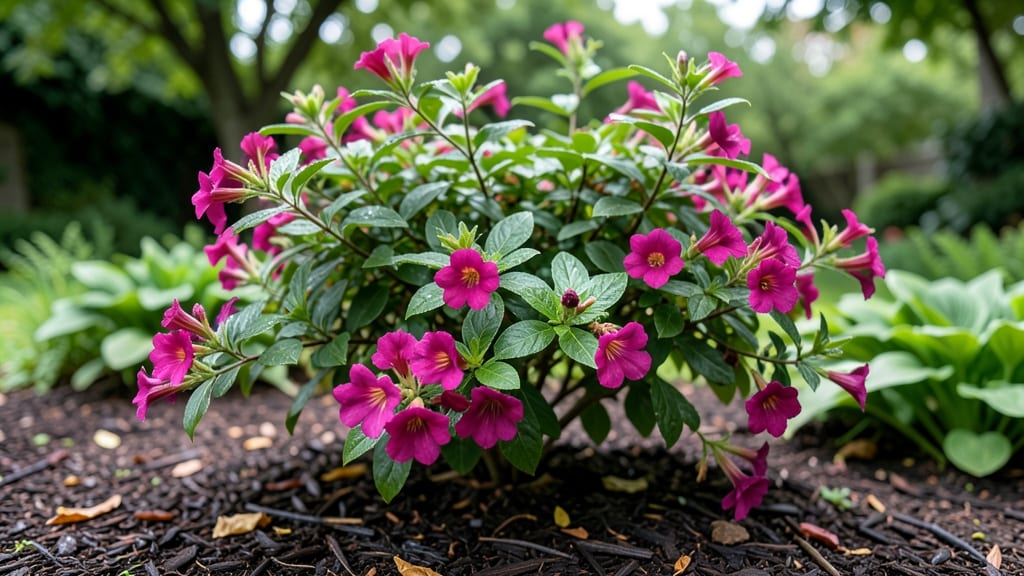
Mastering the care of weigela shrub means year-round fragrance that turns your yard into a living perfume factory. 🌸 I’ve watched mine go from a straggly mess to a blooming superstar—all because I learned when to prune, how much to water, and the secret about soil that makes all the difference.
Weigelas thrive with 6+ hours of sun daily and soil that drains well but stays slightly moist—think crumbly, not soggy. Overwatering is the #1 killer, so I check soil moisture by sticking my finger in: if it’s dry 1-2 inches down, it’s time to water.
Feed them in early spring with a balanced fertilizer, and you’ll see those iconic trumpet-shaped blooms return every year.
The real magic happens in late winter or early spring when you prune. Cut back one-third of the oldest stems to encourage fresh growth, and shape the shrub to keep it compact.
Done right, you’ll have dense foliage and nonstop blooms from spring through summer, with fragrant foliage that lingers into fall.
Pests rarely bother weigelas, but watch for spider mites in dry weather—just spray with water to knock them off. Mulch around the base to protect roots, and you’ve got a low-maintenance shrub that rewards you with decades of color and scent. Ready to transform yours?
📚 In This Guide
- What you need
- Instructions
- Tips and common mistakes
- Wrapping up and next steps
What you need
- ● Pruning shears: Sharp, bypass-pruners (5–8" blades) for clean cuts—sterilize with rubbing alcohol before/after use.
- ● Gloves: Heavy-duty gardening gloves (nitrile-coated for grip and protection).
- ○ Pruning saw: Optional for thick branches (>½ inch diameter).
- ● Disinfectant: 1-part bleach to 9-parts water (for tools and cuts to prevent disease).
- ● Mulch: 2–3 inches of organic mulch (pine bark or shredded leaves) to retain moisture.
- ● Slow-release fertilizer: Balanced 10-10-10 or rose-specific formula (spring/fall application).
- ● Watering can or hose: With a gentle spray nozzle (avoid overhead watering to prevent fungal issues).
- ○ Staking materials: Optional for young/weak stems (bamboo stakes + soft ties).
- ● Pruning sealant: For large cuts (>¾ inch) to prevent sap loss (use sparingly).
- ● Plant support: Wire cages or trellises if training for vertical growth.
- ● Soil test kit: To check pH (Weigela prefers 6.0–7.0; amend with lime or sulfur if needed).
- ● Fungicide: Copper-based spray for preventive care in humid climates.
Step-by-Step guide to weigela shrub care
Here's how to keep your weigela thriving with simple, seasonal maintenance.
🌱 Step 1: Plant in the Right Location
Weigela loves full sun to partial shade, with at least 6 hours of sunlight daily. I always plant mine where it gets morning sun and afternoon shade—this prevents leaf scorch in hotter climates. The soil should be well-draining but moist, so amend heavy clay with compost before planting.
Dig a hole twice as wide as the root ball but only as deep. Place the shrub so the top of the root ball sits 1 inch above ground level. This ensures proper drainage and prevents rot. Water deeply right after planting to settle the soil around the roots.
☀️ Step 2: Water Consistently During Establishment
For the first 2 years, keep the soil evenly moist by watering 1-2 inches per week. You'll know it's right when the top inch of soil feels slightly damp but not soggy. Once established, weigela tolerates drought, but the flowers will be more abundant with consistent moisture.
Water at the base of the plant in the morning to reduce evaporation and fungal risks. Avoid wetting the leaves, as this can encourage powdery mildew. Mulch around the base with 2-3 inches of organic mulch to retain moisture and regulate soil temperature.
✂️ Step 3: Prune for Shape and Flower Power
Prune your weigela immediately after flowering to encourage next year's blooms. I cut back 1/3 of the oldest stems to the ground, which rejuvenates the plant and promotes new growth. Remove any dead, diseased, or crossing branches first—they'll only compete for nutrients.
Shape the shrub by trimming back any leggy or overgrown branches. Use clean, sharp pruners to make cuts at a 45-degree angle just above a leaf node. Avoid heavy pruning in late summer or fall, as this can reduce next year's flowers.
🌿 Step 4: Feed and Protect Year-Round
Apply a balanced, slow-release fertilizer in early spring as new growth begins. I use a 10-10-10 formula and follow the package instructions for application rates. Avoid high-nitrogen fertilizers, which promote leafy growth at the expense of flowers.
Watch for pests like aphids or spider mites, especially on new growth. Spray with a strong stream of water to dislodge them, or use insecticidal soap if needed. In winter, protect young shrubs from harsh winds with a burlap wrap or mulch mound to insulate the roots.
⏰ Step 5: Monitor and Adjust Seasonally
Check your weigela monthly for signs of stress—yellowing leaves often mean overwatering, while crispy edges signal underwatering. Adjust your watering schedule based on rainfall and temperature. In hot summers, increase watering slightly to prevent wilting.
Every 3-4 years, give your weigela a deep trim to maintain its shape and remove any deadwood. This keeps the plant healthy and encourages vigorous new growth. With proper care, your weigela will reward you with fragrant blooms for decades.
Tips & tricks for perfect weigela shrub care
Between us, the secret to a thriving weigela isn't just following the steps—it's understanding the little details that make all the difference.
Lighting Strategy: In Step 1, when choosing your planting location, pay special attention to the 6-hour sunlight minimum. I've seen weigelas struggle when planted in spots that only get 4-5 hours—those extra 60 minutes of light make a world of difference in bloom production. If your yard has limited sun, consider planting near a reflective surface like a light-colored wall or fence to maximize sunlight exposure.
Watering Wisdom: The 1-2 inches per week guideline in Step 2 is perfect for most climates, but here's what nobody tells you—morning watering is non-negotiable. I've noticed weigelas watered in the evening develop fungal issues far more frequently. The key is getting that water to the roots without lingering on the leaves overnight. A soaker hose works wonders for targeted watering at the base.
Pruning Precision: When you're cutting back 1/3 of the oldest stems in Step 3, think of it like giving your plant a haircut—you want to remove the overgrown parts while leaving enough foliage for photosynthesis. I always make my cuts just above a leaf node where new growth will emerge. This simple technique has kept my weigelas flowering beautifully for years without any bare spots.
Seasonal Adjustment: In Step 5, when monitoring your weigela monthly, watch for those crispy leaf edges—they're the plant's way of screaming "I need more water!" But here's the thing: in hot summers, you might need to increase that 1-2 inches per week to 1.5-2.5 inches during peak heat. Just check the soil moisture before deciding—stick your finger an inch down and if it feels dry, it's time to water.
Pro Tips for Care Of Weigela Shrub
- Between us, the secret to a thriving weigela isn't just following the steps—it's understanding the little details that make all the difference.
- Lighting Strategy: In Step 1, when choosing your planting location, pay special attention to the 6-hour sunlight minimum.
- Watering Wisdom: The 1-2 inches per week guideline in Step 2 is perfect for most climates, but here's what nobody tells you—morning watering is non-negotiable.
Frequently asked questions
Got questions about keeping your Weigela shrub thriving? Here are some of the most common ones—plus straightforward answers to help you avoid stress and grow a stunning, fragrant plant year after year!
When is the best time to prune a Weigela shrub?
The ideal time to prune is late winter or early spring (just before new growth starts). This ensures you remove dead or weak branches while encouraging vibrant blooms. Avoid heavy pruning in fall—it can stimulate tender new growth that won’t survive winter. Pro tip: Lightly shape it in summer after flowering to maintain its shape!
Why aren’t my Weigela flowers as vibrant as they should be?
Dull or sparse blooms often mean over-pruning (cutting back too much) or poor sunlight. Weigelas thrive in full sun (6+ hours/day) and need minimal pruning—focus on removing dead wood and shaping, not drastic cuts. Also, check for nutrient deficiencies (like nitrogen) or pests like spider mites.
How cold-hardy is a Weigela shrub, and do I need winter protection?
Most Weigelas are zones 4-8 hardy, but young plants or tender varieties (like Weigela florida) may need mulch or burlap wraps in harsh winters (below 0°F). Pro tip: Apply a 2-3 inch layer of mulch around the base to insulate roots—just avoid piling it against the stem!
Can I grow a Weigela in a container, and what’s the best soil mix?
Yes! Weigelas adapt well to containers if you use a well-draining mix (like 60% potting soil + 30% perlite + 10% compost). Choose a pot at least 18 inches wide with drainage holes. Pro tip: Move containers indoors or to a sheltered spot if temps drop below 20°F to protect roots.
What pests or diseases should I watch for in Weigela shrubs?
Common issues include:
- Spider mites: Look for yellowing leaves or fine webs. Treat with neem oil or insecticidal soap.
- Powdery mildew: White powder on leaves? Improve airflow and spray with baking soda solution (1 tsp baking soda + 1 quart water).
- Japanese beetles: Handpick them or use milky spore for long-term control.
Wrapping up and next steps
Caring for your Weigela shrub is a rewarding journey that brings vibrant blooms and year-round fragrance to your garden! With the right pruning techniques, soil care, and watering habits, you’ll enjoy a thriving, healthy plant that flourishes season after season. 🌸
Now that you’re armed with expert tips, roll up your sleeves and give your Weigela the love it deserves. Ready to see it bloom? Start with a quick trim this spring—your future fragrant haven awaits!