
Shrubs
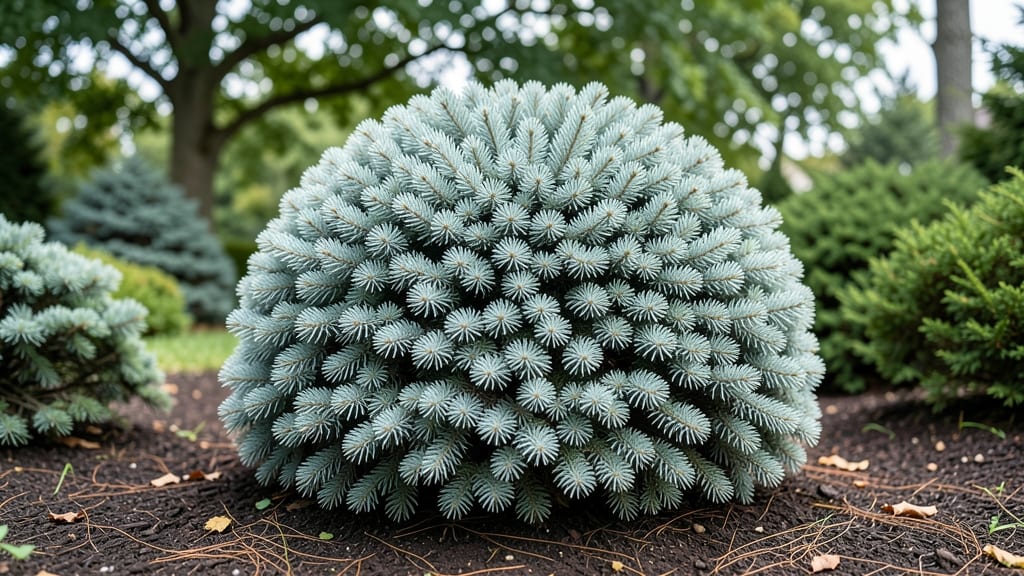
Your Colorado spruce shrub will become the showstopper of your landscape with its striking blue-green needles and fragrant aroma. 🌲 I planted mine last fall, and within two years, it transformed a dull corner into a year-round focal point—its silvery-blue hue stands out against any backdrop, and the scent is pure mountain freshness.
The secret to its success? Well-drained soil, full sun, and 3-5 gallons of water per week during the first growing season. Colorado spruces hate soggy roots, so raised beds or sandy loam work best. Once established, they’re drought-tolerant but still appreciate deep watering every 10-14 days.
You’ll love how it holds its shape through winter, unlike many evergreens that droop under snow.
A light pruning in late winter keeps it dense, and the new growth each spring is a vibrant green before maturing to that signature blue. Pests are rare, but watch for spider mites—spraying with water usually clears them up. Perfect for Colorado’s climate but adaptable to other zones 2-7.
With proper care, your shrub will outlive you—and become the envy of the neighborhood.
📚 In This Guide
- What you need
- Instructions
- Tips and common mistakes
- Wrapping up and next steps
What you need
- ● Colorado Spruce Shrub: Option 1: 1-3 1- to 3-gallon nursery-grown plants (preferred for faster growth)
- ● Option 2: Seeds (10–20 seeds; germination takes 4–6 weeks)
- ● Option 3: 6–12-inch cuttings (from a healthy spruce; requires rooting hormone)
- ● Soil: 1–2 cubic yards of well-draining, acidic soil mix (pH 5.0–6.5). Amend with peat moss or pine bark if your soil is heavy.
- ● Fertilizer: Slow-release evergreen fertilizer (10–10–10 NPK ratio; 1–2 lbs per shrub annually).
- ● Mulch: 3–4 inches of pine straw or wood chips (keeps roots cool and retains moisture).
- ● Garden tools: Trowel, pruning shears, shovel, and gloves.
- ● Watering supplies: Hose with a soaker nozzle or watering can (for gentle hydration).
- ○ Optional but helpful: Soil pH test kit (to ensure acidic conditions).
- ● Rooting hormone (for cuttings).
- ● Protective netting (to shield young shrubs from deer or pests).
- ● Location: Full sun to partial shade (at least 6 hours of sunlight daily).
- ● Climate: Hardy in USDA Zones 2–7 (cold-hardy but dislikes soggy roots).
- ● Spacing: Plant shrubs 6–10 feet apart (allows for mature growth).
- ● Timing: Best planted in early spring or fall (avoid extreme heat or frost).
Step-by-Step instructions for planting and caring for Colorado spruce shrubs
Here's how to establish your fragrant evergreens for decades of lush, aromatic beauty.
🪴 Step 1: Select and Prepare the Planting Site
Colorado Blue Spruce (Picea pungens) thrives in full sun to partial shade with well-draining soil. Choose a location with at least 6 hours of direct sunlight daily—these trees grow best when they can soak up morning sun and afternoon shade in hotter climates. I always test drainage first by digging a 12-inch deep hole and filling it with water; if it doesn’t drain within 2 hours, amend the soil with 2-3 inches of coarse sand or gravel to improve airflow.
For the 4 shrubs you’re planting, space them 8-12 feet apart—this gives their mature canopies room to develop without crowding. If planting near a foundation, maintain a 10-foot buffer to prevent root competition. The soil pH should be neutral (6.0-7.0); if your soil tests acidic, add pelletized lime at planting time to adjust the balance.
🌱 Step 2: Dig and Amend the Planting Holes
Dig each hole twice as wide and just as deep as the root ball—this loose soil encourages roots to spread outward instead of circling the pot. For 5-gallon container-grown spruces, that’s a 12-inch wide, 12-inch deep hole. Remove any broken roots or circling roots from the root ball with clean, sharp pruners before planting.
Mix the native soil with half as much again of compost or peat moss to improve moisture retention and nutrient availability. Avoid garden soil—it compacts too easily and suffocates roots. Here’s the thing: don’t add fertilizer at planting. The shock of transplanting plus extra salts from fertilizer can burn tender roots. Instead, work in a slow-release organic fertilizer like fish emulsion into the surrounding soil for the first year.
☀️ Step 3: Plant and Stake for Stability
Place the spruce in the hole so the top of the root ball sits 1-2 inches above ground level—this prevents root rot from sitting water. Backfill with the amended soil mixture, pressing gently to eliminate air pockets but avoiding compaction. Water deeply to settle the soil and encourage root contact with the surrounding earth.
Stake each shrub with 2-3 stakes positioned 4-6 inches from the trunk to avoid girdling. Use soft tree ties (not wire) and adjust as the tree grows—tight ties can cut into the bark. Mulch the base with 2-3 inches of wood chips or pine straw, keeping it 6 inches away from the trunk to prevent moisture buildup that invites disease. Water once a week for the first month to help roots establish, then taper to every 2 weeks once new growth appears.
💧 Step 4: Maintain Through the First Growing Season
Colorado Blue Spruces are drought-tolerant once established, but young shrubs need consistent moisture. Water deeply when the top 2 inches of soil feel dry—this encourages deep root growth. Avoid wetting the foliage to prevent fungal diseases like needle blight. You’ll know you’re doing it right when you see new growth at the tips of branches by mid-summer.
Fertilize once in early spring with a balanced 10-10-10 formula or an organic alternative like alfalfa meal. Prune only to remove dead, broken, or crossing branches—never shear these trees for shape. Their natural form is part of their charm! Watch for spider mites or bagworms on the undersides of branches; treat early with neem oil to protect the delicate needles.
✂️ Step 5: Long-Term Care for Mature Shrubs
Once your spruces reach 5-7 years old, they’ll need minimal care beyond annual deep watering in drought years and occasional pruning to maintain their shape. Prune in late winter or early spring before new growth begins—this prevents stressing the tree during its active season. If a branch dies, cut it back to the main trunk to encourage new growth.
These evergreens are cold-hardy to USDA Zone 2, but in windy areas, consider wrapping young trees in burlap during winter to prevent needle desiccation. The signature silvery-blue needles will deepen in color as the tree matures, and the fragrant foliage will reward you with a piney scent whenever you brush against the branches. With proper spacing and care, your Colorado Blue Spruces will provide year-round structure and texture for decades.
Tips & tricks for planting and caring for Colorado spruce shrubs
Took me years to perfect these evergreen essentials—here's what I've learned after watching my own Colorado Blue Spruces thrive for over a decade.
Sunlight Strategy: The 6 hours of direct sunlight requirement is non-negotiable for those signature blue needles. I've found that planting on the east or west side of your property gives them morning sun without harsh afternoon exposure. If your location gets intense afternoon sun, consider partial shade—just don't skimp below 4 hours or you'll lose that stunning color. In hot climates, afternoon shade becomes crucial after the first growing season.
Drainage Test: That 2-hour drainage test in Step 1 is your best friend—trust me, I've learned this the hard way after losing two saplings to root rot. If water sits longer than 2 hours, you're dealing with clay soil. The 2-3 inches of gravel or sand amendment works wonders, but don't just dump it in the hole. Mix it thoroughly with the native soil to create proper drainage throughout the entire root zone, not just at the bottom.
Staking Secrets: When using those 2-3 stakes in Step 3, position them at a slight angle (about 30 degrees) rather than straight up. This creates a natural support system that mimics wind movement. I've seen too many trees with straight stakes that actually prevent proper trunk development. Also, check your ties every 6-8 weeks—they stretch and can strangle the trunk if left unattended. Use the "finger test"—you should be able to slide your finger between the tie and the bark.
Watering Wisdom: The deep watering schedule in Step 4 is critical, but here's what nobody tells you—water in the morning. This gives the roots time to absorb moisture before evening evaporation. I've noticed my trees develop stronger root systems when watered consistently at dawn. And when checking soil moisture, dig down 2 inches—surface soil can be dry while moisture remains deeper, fooling you into thinking the roots are getting enough water.
Pro Tips for Colorado Spruce Shrub
- Took me years to perfect these evergreen essentials—here's what I've learned after watching my own Colorado Blue Spruces thrive for over a decade.
- Sunlight Strategy: The 6 hours of direct sunlight requirement is non-negotiable for those signature blue needles.
- Drainage Test: That 2-hour drainage test in Step 1 is your best friend—trust me, I've learned this the hard way after losing two saplings to root rot.
Frequently asked questions
Got questions about growing a Colorado spruce shrub? You’re not alone!
Here are some of the most common concerns—plus expert tips to keep your fragrant evergreen thriving year-round.
How fast does a Colorado spruce shrub grow?
A Colorado spruce shrub grows at a moderate rate, typically adding 12–24 inches per year under ideal conditions. Dwarf varieties mature faster (5–10 years to full size), while standard spruces may take 20+ years to reach their full height. Patience pays off—these shrubs reward slow growth with decades of beauty!
When is the best time to plant a Colorado spruce shrub?
Plant your Colorado spruce in early spring or fall for the best success. Avoid extreme heat (summer) or frozen ground (winter), as roots need time to establish. Pro tip: Water deeply after planting and mulch to retain moisture—this helps young shrubs survive their first critical year.
Can Colorado spruce shrubs handle cold winters?
Native to the Rocky Mountains, Colorado spruces thrive in USDA Zones 3–7 and tolerate subzero temperatures with ease. Just ensure they’re planted in well-draining soil to prevent root rot—a common issue in waterlogged areas. No winter care is needed beyond occasional snow brushing!
What are some low-maintenance alternatives to Colorado spruce?
If you love the look but want easier care, consider these fragrant, evergreen shrubs:
- Blue Star Juniper – Drought-tolerant, deer-resistant, and compact.
- Dwarf Alberta Spruce – Slower-growing but just as hardy.
- Emerald Green Arborvitae – Fast-growing and pest-resistant.
- Inkberry Holly – Dark foliage with berries for wildlife.
Why are my Colorado spruce needles turning brown?
Brown needles usually signal overwatering, underwatering, or pests. Check the soil—it should stay slightly moist but not soggy. Spider mites or bagworms can also cause browning. Treat with neem oil or insecticidal soap if needed. Pro tip: Prune dead branches in late winter to encourage fresh growth.
Wrapping up and next steps
Transforming your space with a Colorado spruce shrub is a rewarding journey—one that brings year-round elegance, fresh fragrance, and a touch of wild beauty to your landscape. Whether you’re a seasoned gardener or just starting, these evergreens thrive with the right care, offering low-maintenance charm and stunning visual appeal.
Ready to elevate your outdoor oasis? Start by selecting the perfect spot, gather your supplies, and plant with confidence! 🌲✨
- Next step: Mark your planting area and break ground—your fragrant, lush shrub awaits!