
Planting
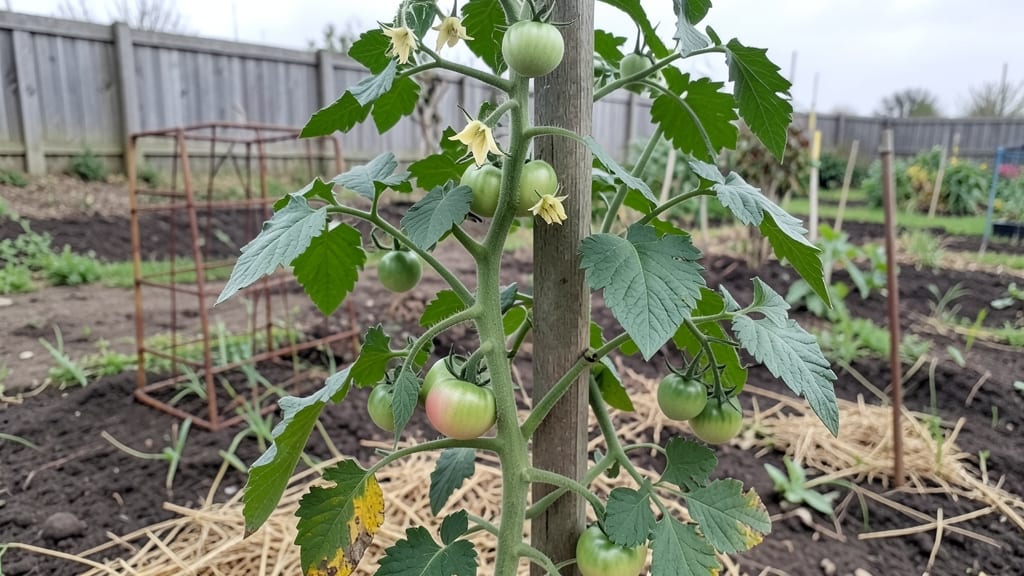
My cordon tomato plant transforms a tiny balcony into a productive harvest zone with just a few simple tricks. ✨ The secret lies in their vertical growth habit—these indeterminate varieties grow long, strong stems that you train upward, saving space while producing pounds of fruit.
Last summer, my 12-inch-wide balcony held enough tomatoes to feed my family for weeks, all from plants that never touched the ground.
You’ll need a sturdy stake or trellis (at least 6 feet tall), disease-resistant varieties like 'Sungold' or 'Sweet Million,' and a sunny spot with at least 6 hours of direct light daily.
The real magic happens with regular pruning—pinch off suckers (those little shoots in the leaf joints) to focus the plant’s energy on fruit production rather than extra foliage. This keeps the plant compact and the harvest consistent.
By midsummer, you’ll be snapping off ripe tomatoes that taste sweeter than anything from the grocery store. The plants stay productive all season long if you keep them well-watered (1-2 inches per week) and fertilized with a balanced feed every 3-4 weeks.
Even in small spaces, these plants deliver like their in-ground cousins—just without the sprawl.
Works equally well in containers, raised beds, or along fences. The key is patience—it takes about 60-70 days from transplanting to first fruit, but once they start producing, they don’t stop until frost. Here’s how to keep them thriving all season long.
📚 In This Guide
- What you need
- Instructions
- Tips and common mistakes
- Wrapping up and next steps
What you need
- ● Cordon tomato seeds or seedlings: Choose compact varieties like 'Tumbling Tom' or 'Balcony Red' (1-2 plants per container).
- ● Growing container: A 5-gallon pot or larger (minimum 12" deep) with drainage holes. For multiple plants, opt for a raised planter bed (12" deep x 24" wide).
- ● High-quality potting mix: A lightweight, well-draining blend (e.g., 60% peat/compost + 40% perlite/sand). Avoid garden soil—it compacts too easily!
- ● Tomato cages or trellis: A 5-6 ft tall sturdy cage (e.g., spiral wire or A-frame trellis) to support vertical growth.
- ● Organic fertilizer: A balanced, slow-release fertilizer (e.g., 10-10-10 or compost tea) to feed your plant all season.
- ● Mulch: Straw or shredded leaves (2-3 inches thick) to retain moisture and suppress weeds.
- ● Hand trowel (for planting and pruning).
- ● Pruning shears (sterilized with rubbing alcohol).
- ● Watering can or hose with a gentle spray nozzle (avoid overhead watering to prevent disease).
- ○ pH testing kit (optional but helpful—aim for 6.0-6.8).
- ● Gloves (to protect your hands from thorns and soil).
- ● Grow lights (if growing indoors or in low-light balconies).
- ● Plant supports (e.g., twine or soft ties) for extra stability.
- ● Succession planting seeds (for continuous harvests).
- ● Compost or worm castings (for nutrient-rich soil boosts).
- ● Pest control: Neem oil or insecticidal soap (preventative measure).
How to train a cordon tomato plant for small-space success
Here's how I turn sprawling tomato vines into neat, high-yielding cordon plants perfect for balconies.
🌱 Step 1: Choose the Right Variety and Container
Start with a determinate tomato variety like 'Tiny Tim' or 'Patio Princess'—these naturally stay compact. Use a 5-gallon container with drainage holes, as cordon plants need deep roots but limited space. Fill it with well-draining potting mix (I add perlite to prevent soggy roots).
Place the container where it gets full sun (6-8 hours daily). If your balcony gets afternoon shade, opt for a semi-determinate variety like 'Sungold'—it grows taller but still responds well to cordon training. The key is matching plant vigor to your space constraints.
☀️ Step 2: Set Up Your Support System Early
Install a 3-4 foot tall bamboo stake or trellis right when you transplant your seedling. Press it firmly into the soil so it doesn't wobble—you'll be tying vines to it weekly. For extra stability, I add a U-shaped wire at the base to prevent toppling.
This isn't just decoration: the support prevents wind damage and keeps fruits clean. Wait until the main stem reaches 12-18 inches tall before starting to tie—you'll see the first true leaves (not the tiny seed leaves) as your signal to begin.
✂️ Step 3: Prune and Train Weekly
When your plant hits 3 feet tall, begin the cordon training: pinch off all side shoots (suckers) that grow in the leaf axils. Use your fingers or clean pruners—just twist or snip the sucker cleanly. I do this every 7-10 days during the growing season.
Leave only the main stem and its branches (if any). The goal is a single vertical column with fruit-bearing branches spaced 12-18 inches apart. You'll know you're doing it right when the plant looks like a ladder with evenly spaced "rungs" of leaves and flowers.
💧 Step 4: Manage Water and Fertilizer for Compact Growth
Water deeply 2-3 times weekly, always at the base—never overhead. Cordon plants need consistent moisture but hate wet leaves (which causes disease). I check by sticking my finger 1 inch into the soil: if it's dry, water until it runs from the drainage hole.
Feed with balanced liquid fertilizer (10-10-10) every 2 weeks starting when flowers appear. Too much nitrogen makes leaves grow at the expense of fruit—you'll see lush foliage but few tomatoes. The trick is light feeding to encourage fruiting over vegetative growth.
🍅 Step 5: Harvest and Prune for Next Year's Growth
Pick tomatoes when they're fully colored but still slightly firm. This encourages more production and prevents cracking. Use both hands—one to support the fruit, one to twist gently. You'll know they're ready when they pop off easily with a slight tug.
As fall approaches, prune back the main stem to 2 feet tall and remove all remaining leaves. This helps the plant store energy for next season. If you're overwintering, move the container to a cool, dark place (50-60°F) until spring.
Tips & tricks for perfect cordon tomato training
These simple tricks will help you transform your sprawling tomato plant into a neat, high-yielding cordon that thrives in even the smallest balcony spaces.
Support Stability is Key: In Step 2, when setting up your 3-4 foot tall support, don't skimp on securing it. I learned the hard way—my first stake toppled during a windstorm, ruining my plant's growth. Bury the stake at least 6 inches deep and add the U-shaped wire at the base for extra stability. This prevents the plant from leaning or breaking under its own weight as it grows toward the sun.
Timing for Pruning Pays Off: The weekly pruning in Step 3 is where you'll see the biggest difference. I always do this first thing in the morning when the plant is turgid (full of water). This makes the suckers easier to spot and pinch off cleanly. Remember, those 7-10 day intervals are crucial—waiting longer lets the suckers grow and compete for nutrients with your main stem and fruit.
Watering Wisdom for Compact Growth: When watering deeply 2-3 times weekly in Step 4, focus on consistency. I use a self-watering system during hot spells to maintain that 1-inch soil moisture level. The secret is watering at the base only—wet leaves create perfect conditions for fungal diseases like early blight. A drip irrigation system works beautifully for container plants and saves you from watering overhead.
Fertilizer Strategy for Bountiful Fruit: That 2-week feeding schedule in Step 4 is perfect, but here's the trick: alternate between your 10-10-10 balanced fertilizer and a calcium supplement every other feeding. This prevents blossom end rot, a common problem in container tomatoes. I use crushed eggshells mixed into the soil for an extra calcium boost—it's free and works wonders!
Pro Tips for Cordon Tomato Plant
- These simple tricks will help you transform your sprawling tomato plant into a neat, high-yielding cordon that thrives in even the smallest balcony spaces.
- Support Stability is Key: In Step 2, when setting up your 3-4 foot tall support, don't skimp on securing it.
- Timing for Pruning Pays Off: The weekly pruning in Step 3 is where you'll see the biggest difference.
Frequently asked questions
Got questions about growing cordon tomato plants? You're not alone! Here are some of the most common queries—plus quick answers to help you cultivate a thriving balcony harvest.
What’s the difference between cordon and bush tomatoes?
Cordon tomatoes grow vertically on a single main stem, requiring support like stakes or trellises. Bush (determinate) varieties spread outward and stop growing once they set fruit. Cordon types are great for small spaces since they save room but need pruning and tying up.
When should I start pruning my cordon tomato?
Begin pruning when your plant reaches about 12 inches tall. Remove side shoots (suckers) that grow between the main stem and branches to encourage upward growth. Pro tip: Use clean pruners and pinch suckers early to avoid stressing the plant.
Can I grow cordon tomatoes in containers?
Cordon tomatoes thrive in containers as long as the pot is at least 12–18 inches deep and wide. Use lightweight potting mix, and add a time-release fertilizer to support their vertical growth. Just ensure the container has drainage holes to prevent root rot.
Why are my cordon tomato leaves turning yellow?
Yellowing leaves often signal overwatering, nutrient deficiency, or disease. Check the soil moisture—it should be damp but not soggy. If the yellowing starts at the bottom, it might be a sign of overwatering or poor drainage. For top yellowing, consider adding a balanced fertilizer or compost.
How do I know when cordon tomatoes are ripe?
Ripeness depends on the variety, but generally, tomatoes turn from green to their mature color (red, yellow, purple, etc.) and feel slightly soft when gently squeezed. Some varieties may also develop a sweet aroma. Harvest promptly to avoid overripening on the vine.
Wrapping up and next steps
Growing a cordon tomato plant on your balcony isn’t just possible—it’s a rewarding way to enjoy fresh, homegrown tomatoes year after year! With the right support, pruning, and care, these compact plants thrive in small spaces while delivering a bountiful harvest.
Whether you’re a beginner or a seasoned gardener, the key is patience and consistency.
Ready to take the next step? Start small—pick a sunny spot, gather your supplies, and plant your first cordon tomato. Before you know it, you’ll be savoring homegrown tomatoes straight from your balcony! 🌱🍅