
Neem Oil
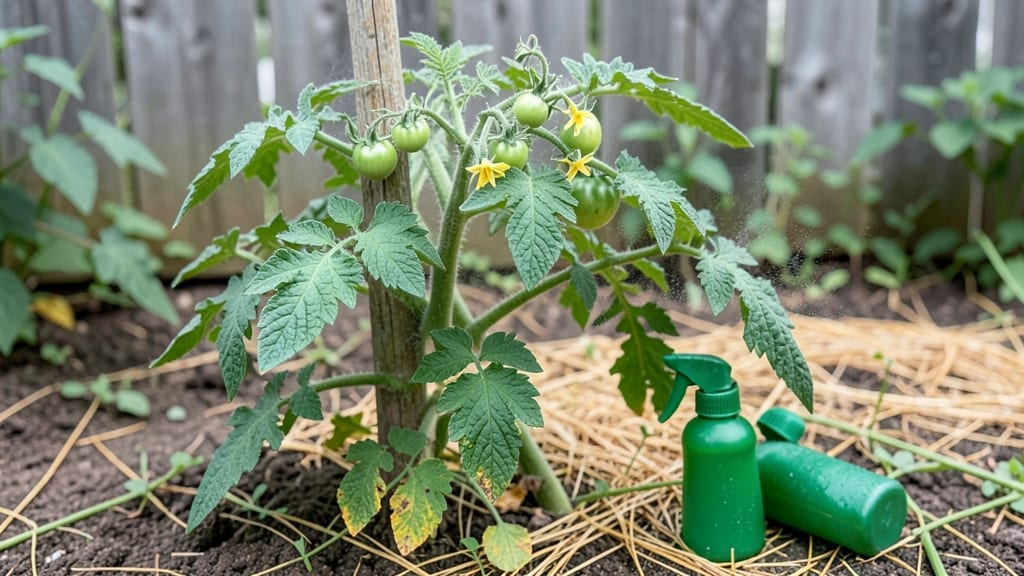
Neem oil works as a natural pesticide and fungicide thanks to its active compounds like azadirachtin and nimbin, which disrupt insect life cycles and inhibit fungal growth. 🌱 These ingredients make it effective against common tomato pests like aphids, whiteflies, and even early signs of powdery mildew.
The key is timing—you’ll want to treat plants when they’re established but not yet producing fruit, as the oil can interfere with pollination and flavor development.
For best results, mix 1-2 teaspoons of neem oil per quart of water with a drop of mild dish soap to help it adhere to leaves. Apply with a spray bottle on calm days, avoiding direct sunlight to prevent leaf damage.
Reapply every 7-14 days or after rain, and always test a small leaf area first to check for sensitivity.
💡 In This Article
- How Neem Oil Protects Tomato Plants Naturally
- Step-by-Step Guide to Applying Neem Oil on Tomatoes
How neem oil protects tomato plants naturally
Neem oil's power comes from its complex blend of natural compounds, with azadirachtin and nimbin leading the defense. Azadirachtin acts as an insect growth regulator, disrupting the hormonal balance of pests like aphids and whiteflies. It prevents them from molting properly, leading to their eventual death within days.
Meanwhile, nimbin works as a natural fungicide by inhibiting the germination of fungal spores and disrupting their cell membranes, making it effective against early-stage powdery mildew and leaf spot diseases. 🌿
The oil works through both contact and systemic mechanisms. When applied directly to leaves, it forms a thin protective film that repels soft-bodied insects.
But it also gets absorbed through the plant's stomata (tiny pores), allowing the active compounds to move internally and provide protection against pests that haven't yet arrived. This dual-action approach makes neem oil more effective than many synthetic pesticides that only work on contact.
For tomatoes, this means protection against spider mites, which are notorious for developing resistance to conventional treatments.
What makes neem oil particularly valuable for organic gardening is its multi-faceted action. Unlike single-purpose pesticides, it addresses multiple problems simultaneously. For example, while treating aphids, it also prevents fungal infections that often follow insect damage.
The oil's bitter taste also deters many pests from settling on treated plants in the first place. This holistic approach aligns perfectly with organic farming principles, which focus on preventing problems rather than just treating symptoms. 🌱
The organic approval comes from neem oil's plant-based origin and its minimal environmental impact. Unlike synthetic chemicals that can accumulate in soil and water, neem oil breaks down quickly when exposed to sunlight and oxygen.
This rapid degradation means it won't persist in the environment, making it safe for beneficial insects like bees and ladybugs when used correctly. The key is proper dilution—using 1-2 teaspoons per quart of water ensures the plant gets protection without risking phytotoxicity (leaf burn).
Here's what happens at the molecular level: azadirachtin binds to insect steroid receptors, mimicking the molting hormone ecdysone but preventing proper development. In fungi, nimbin disrupts membrane integrity, causing spores to lose their protective barrier.
This dual mechanism explains why neem oil works against such a wide range of tomato plant pests and diseases. The oil's natural origin also means it won't contribute to the development of pesticide-resistant insect populations, a growing problem with many chemical treatments. 🔬
For tomato growers, this means you're not just treating symptoms—you're interrupting the life cycles of pests before they can cause significant damage. The oil's ability to work systemically provides protection that lasts longer than contact sprays alone.
When applied during the vegetative growth stage (before flowering), you'll see reduced pest pressure throughout the plant's life cycle, leading to healthier plants and potentially higher yields. The organic certification further validates its safety for both the environment and human consumption.