
Flowers
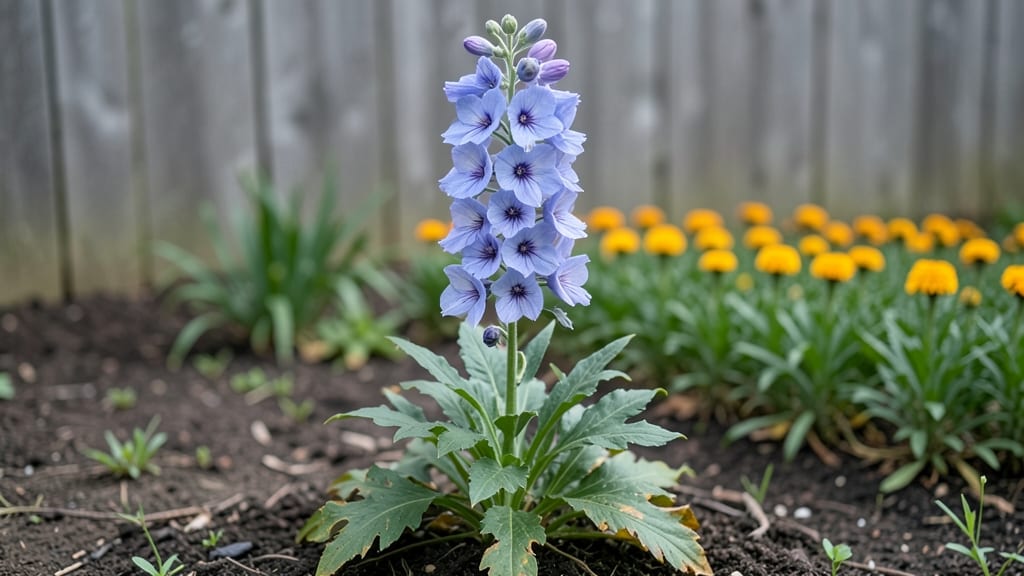
Caring for delphinium flowers means unlocking those towering spikes of blue and purple that turn your garden into a fairyland. 🌿 I’ve nursed these dramatic bloomers through multiple seasons, and the key is treating them like the divas they are—with just the right balance of sun, water, and a little strategic cutting.
They’re not fussy, but they do demand respect for their needs.
The secret to happy delphiniums is full sun (at least 6-8 hours daily) and well-draining soil that’s rich but not soggy. Overwatering is their biggest enemy—think of them more like desert survivors than thirsty plants.
A 3-inch layer of mulch keeps roots cool in summer and prevents weeds from stealing nutrients. And here’s the game-changer: deadheading spent blooms in early summer encourages a second flush of flowers by fall.
By mid-summer, you’ll see those 6-foot stems loaded with blossoms that hummingbirds can’t resist. The foliage stays lush if you fertilize lightly in spring with a balanced 10-10-10 mix, and you’ll avoid the leggy, floppy stems that ruin their elegant shape.
Even in containers, they thrive—just use a 15-gallon pot for single plants and stake them early.
For winter, cut back stems to 6 inches tall after the first frost, but leave the crowns intact. Delphiniums are hardy in zones 3-9, and with this care, they’ll reward you with years of dramatic blooms—minimal pruning required.
The payoff? A garden that feels like a masterpiece with almost no effort. Let’s get those spikes standing tall!
📚 In This Guide
- What you need
- Instructions
- Tips and common mistakes
- Wrapping up and next steps
What you need
- ● Delphinium plants: Choose Delphinium elatum (tall garden types) or Delphinium consolida (annual larkspur). Buy healthy, well-rooted plants from a nursery.
- ● Well-draining soil: Delphiniums thrive in loamy, slightly alkaline soil (pH 6.5–7.5). Amend heavy clay with compost (2–3 inches) or perlite (1 part perlite to 3 parts soil).
- ● Fertilizer: Balanced fertilizer (10-10-10 or 20-20-20) at planting (1 tbsp per plant).
- ● Low-nitrogen, high-phosphorus fertilizer (5-10-10) mid-season to encourage blooms (sprinkle lightly around the base).
- ● Mulch: Organic mulch (2–3 inches) like straw or shredded bark to retain moisture and suppress weeds.
- ● Watering can or hose with a gentle spray nozzle: Delphiniums need 1–1.5 inches of water per week (deep watering, not frequent shallow soaks).
- ● Garden trowel or hand fork: For planting and transplanting delicate roots.
- ● Pruning shears (sterilized): Sharp, clean shears for deadheading and minimal pruning.
- ○ Stakes or cages (optional but helpful): Tall delphiniums (3–5 ft) may need bamboo stakes or tomato cages for support.
- ● Gloves: Protect your hands from thorns (especially on Delphinium elatum).
- ○ pH testing kit (optional): Ensures your soil is in the ideal range for delphiniums.
- ● Sunlight: Full sun (6–8 hours daily)—delphiniums will bloom better with plenty of light!
- ● Spacious planting area: Space plants 12–18 inches apart (or 18–24 inches for tall varieties) to prevent overcrowding.
- ● Patience: Delphiniums are biennials or perennials—first-year plants focus on roots, so blooms may appear year two.
Step-by-step instructions for Delphinium flower care
Here’s how to keep your delphiniums stunning with just a few key adjustments—no fuss, all reward.
🌿 Step 1: Water Deeply at the Base
Delphiniums despise soggy roots but need consistent moisture to support their towering stems. Water deeply at the base once or twice weekly, ensuring the soil is damp 6 inches down—this encourages deep root growth. You’ll know you’ve done it right when the top 2 inches of soil feel dry to the touch but the lower layers stay moist.
Use a drip irrigation system or watering can with a narrow spout to avoid wetting the foliage, which can trigger fungal diseases like powdery mildew. Early morning is ideal—watering in the evening leaves leaves damp overnight, inviting rot. If your soil drains poorly, mix in 2 inches of compost into the top layer to improve aeration.
☀️ Step 2: Provide Full Sun and Shelter from Wind
Delphiniums crave 6+ hours of direct sunlight daily, but their tall, top-heavy blooms need protection from strong winds. Plant them where they’ll get morning sun and afternoon shade if your climate runs hot, or full sun with a sturdy trellis or fence to shield stems from snapping. You’ll notice leggy growth or flopping stems if they’re not supported—this is your cue to add stakes or a cage.
If your garden is windy, stake each plant immediately after planting with 3-foot bamboo stakes tied loosely to the stems. Delphiniums grow fast, so check ties every 2 weeks—tightening too soon will strangle the stems as they thicken. Mulch the base with 2 inches of straw to retain moisture and keep roots cool.
✂️ Step 3: Deadhead and Prune Strategically
Deadheading spent blooms extends the flowering season by redirecting energy to new buds. Snip off only the faded flower heads, leaving the lower foliage intact—this keeps the plant photosynthesizing. Use clean, sharp pruners and make cuts just above a set of leaves to avoid leaving stubs that invite disease. You’ll see fresh blooms emerge from the base within 3-5 weeks of consistent deadheading.
After the first flush of blooms fades, cut back one-third of the stems to encourage a second round of flowers. This is also the time to remove any yellow or diseased leaves—delphiniums are prone to powdery mildew, so don’t let infected foliage linger. If your plants look leggy by mid-summer, a light trim of the tallest stems will help them stay compact and sturdy.
🪴 Step 4: Fertilize Lightly and Avoid Overfeeding
Delphiniums are heavy feeders but react poorly to high nitrogen, which promotes leafy growth at the expense of blooms. Use a balanced, slow-release fertilizer (like 10-10-10) once in early spring and again after the first deadheading. Sprinkle ½ cup of granular fertilizer around the base, then water deeply to activate it. You’ll notice stronger stems and more abundant blooms within 4-6 weeks of feeding.
Avoid liquid fertilizers—they can burn delicate roots. Instead, top-dress with 1 inch of compost in late summer to replenish nutrients without risking salt buildup. Overfeeding leads to weak stems that flop or snap under their own weight, so less is more with these dramatic beauties.
⏰ Step 5: Prepare for Winter Dormancy
Delphiniums are hardy perennials, but their woody lower stems need protection in cold climates. Once foliage yellows and dies back in fall, cut stems down to 2 inches above the ground—this prevents snow mold and makes cleanup easier. Leave the basal rosette of leaves intact; these store energy for next year’s growth.
Mulch heavily with 4-6 inches of straw or shredded leaves to insulate the crown. In zones with frost below 0°F, add a thin layer of burlap over the mulch for extra protection. In spring, remove the mulch once new growth appears—you’ll spot the first shoots peeking through the soil around late March or early April, depending on your climate.
Tips & tricks for perfect Delphinium flower care
A few key insights that'll transform your delphiniums from struggling survivors to showstopping stars in your garden.
Soil Moisture Mastery: The once-or-twice-weekly watering guideline works best when you check soil moisture like a pro. Stick your finger 6 inches down—if it feels dry, it's time to water. The top 2 inches should feel dry to the touch, but don't let the lower layers dry out completely. I've seen delphiniums wilt dramatically when their deep roots get thirsty, so consistency is key. For extra insurance, use a moisture meter if you're unsure—delphiniums will reward your attention with taller, sturdier stems.
Staking Strategy: Don't wait until your delphiniums are flopping to add stakes! The instructions recommend staking immediately after planting, but I'll take this further: add a second stake on the opposite side once stems reach 2 feet tall. This creates a diamond shape that prevents stems from swaying in windy conditions. Use soft plant ties or old fabric strips—they're gentler than wire and won't damage stems as they thicken. I've seen dramatic differences in plant health when proper staking is implemented early.
Deadheading Timing: That 3-5 week window for new blooms after deadheading is actually quite flexible. If you're in a hot climate, you might see new growth in as little as 2 weeks. The key is to deadhead consistently—don't wait until flowers are completely brown and crispy. When you see the first signs of wilting in individual blooms, snip them off immediately. This redirecting of energy is what keeps your delphiniums flowering continuously through summer.
Winter Protection Pro Tip: The 4-6 inches of mulch recommendation is perfect, but here's what I've learned about the 0°F frost line: if you're in a zone with frequent sub-zero temperatures, add a layer of bubble wrap under your mulch for extra insulation. I've had delphiniums survive -15°F winters with this double-layer protection. The bubble wrap creates an air pocket that acts like a mini greenhouse, while the mulch above retains moisture. Just remember to remove it in spring once new growth appears!
Pro Tips for Delphinium Flower Care
- A few key insights that'll transform your delphiniums from struggling survivors to showstopping stars in your garden.
- Soil Moisture Mastery: The once-or-twice-weekly watering guideline works best when you check soil moisture like a pro.
- Staking Strategy: Don't wait until your delphiniums are flopping to add stakes!
Frequently asked questions
Got questions about keeping your delphiniums happy and blooming? You’re not alone! Here are some of the most common concerns—and straightforward answers to help you grow stunning, low-maintenance delphiniums with ease.
How often should I water my delphiniums?
Water deeply once or twice a week, depending on your climate. Delphiniums prefer consistent moisture but hate soggy roots, so aim for 1-2 inches of water per week. Mulch around the base to retain humidity and reduce evaporation. Pro tip: Water at the soil level (not the leaves) to prevent fungal diseases like powdery mildew.
When is the best time to plant delphiniums?
For perennial delphiniums, plant in early spring or fall when soil temps are cool (50–60°F). Annual varieties can go in after the last frost. Avoid planting in summer heat, as young roots struggle to establish. If transplanting, give them 2–3 weeks to adjust before heavy watering.
Why are my delphinium leaves turning yellow?
Yellowing leaves usually signal overwatering, nutrient deficiency, or fungal issues. Check for:
- Mushy stems → Root rot (reduce watering, improve drainage).
- Yellow edges → Nitrogen deficiency (add compost or balanced fertilizer).
- White powder → Powdery mildew (prune affected leaves, spray neem oil).
Adjust care based on the symptom—most issues fix quickly with a little troubleshooting!
Can I grow delphiniums in containers?
Choose large pots (at least 12–14 inches deep) with drainage holes and use a well-draining potting mix (add perlite or sand). Dwarf varieties like ‘Blue Bird’ thrive in containers. Key tip: Move pots to partial shade in hot afternoons to prevent wilting. Containers dry out faster, so monitor soil moisture closely.
Do I need to deadhead delphiniums, and how?
Deadheading extends blooming season but isn’t mandatory. To do it:
- Use clean bypass pruners or snips.
- Cut just above the first set of healthy leaves (not the stem base).
- Remove spent flower spikes regularly—don’t wait until they brown!
Pro tip: If you skip deadheading, the plant will still produce seeds but may focus less on new blooms.
Are delphiniums deer- or rabbit-resistant?
Unfortunately, no—delphiniums are highly attractive to deer and rabbits! Protect them with:
- Physical barriers (chicken wire, fencing).
- Repellents (spray with garlic/pepper mix or commercial deer repellent).
- Companion planting (marigolds, lavender, or alliums deter browsers).
If pests strike, act fast—these critters can devour plants overnight!
Wrapping up and next steps
Caring for delphinium flowers doesn’t have to be complicated—just a little attention to their needs goes a long way! With the right soil, sunlight, and minimal pruning, you’ll be rewarded with stunning, towering blooms that brighten any garden. 🌸
Now that you’re armed with the essentials, why not take the next step? Experiment with different varieties, try deadheading for extended blooms, or even share your newfound knowledge with fellow gardeners. Your delphiniums—and your green thumb—will thank you!