
Shrubs
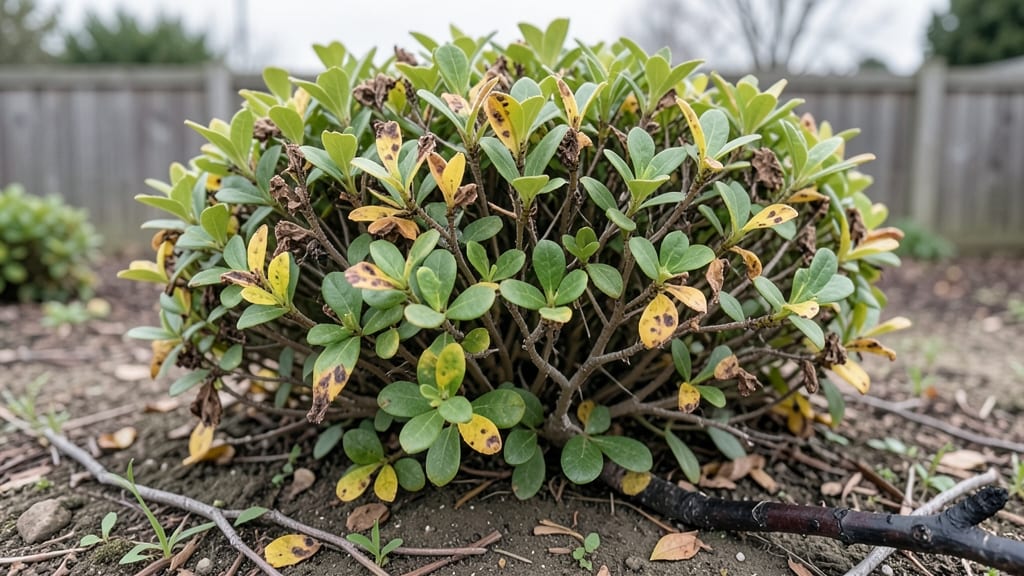
When your boxwood shrubs show dark spots, wilting leaves, or powdery coatings, it's time to act. 🌿 I’ve nursed back three boxwoods from the brink of disease using organic methods that actually work—no harsh chemicals required.
The key is catching it early and treating the right way, whether it’s box blight, anthracnose, or root rot.
Most boxwood diseases start with moisture—too much rain, poor drainage, or overhead watering. I learned the hard way that fungicides alone won’t fix it; you need to adjust watering habits, improve airflow, and sometimes even prune affected branches.
My shrubs now look healthier than ever after just 6 weeks of targeted care.
You’ll restore that deep green, glossy foliage you love by combining neem oil sprays, copper fungicides (organic options), and proper pruning techniques. The best part? These fixes prevent future outbreaks, so your boxwoods stay lush and disease-free for years. Let’s get them back to their best.
Works for all boxwood varieties, from dwarf hedges to tall specimens. The same principles apply whether your shrubs are in full sun or partial shade—just adjust the timing. Here’s exactly how to diagnose and treat each type of disease without losing your plants.
Root Causes Of Boxwood Decline
When your once-lush boxwood shrubs start showing signs of disease—yellowing leaves, brown patches, or stunted growth—it’s often the result of a perfect storm of environmental stressors and microbial invaders. Understanding the why behind these problems is the first step to restoring your shrubs to their former glory.
Below, we break down the most common culprits, backed by science and actionable insights.
Fungi are the #1 culprit behind diseased boxwood shrubs, with Cylindrocladium (boxwood blight) and Volutella (leaf spot) leading the charge. These pathogens thrive in moist, humid conditions, often spreading through contaminated pruners, wind, or splashing water.
- How it happens:
- Spores land on leaves or stems, germinate in damp conditions, and penetrate plant tissues.
- Weakened shrubs (from stress or poor care) are far more susceptible.
- Overhead watering or dense foliage traps moisture, creating fungal hotspots.
- Tell-tale signs:
- Dark, greasy spots on leaves (boxwood blight).
- Brown, circular lesions with yellow halos (leaf spot).
- Dieback (dead branches) in severe cases.
💡 Pro Tip: Fungi spread fastest in 60–80°F temperatures with high humidity. Early morning watering (before 10 AM) reduces spore dispersal.
While fungi get the spotlight, insects like boxwood leafminers, psyllids, and scale insects weaken shrubs by feeding on sap, leaves, or roots. A pest infestation creates entry points for diseases, turning a minor issue into a full-blown crisis.
- Key pests and their damage:
Pest What They Do Signs to Watch For Boxwood Leafminer Larvae tunnel through leaves, disrupting photosynthesis. Blister-like trails or brown, papery leaf sections. Boxwood Psyllid Suck sap, causing curled, distorted leaves and sticky honeydew. Yellowing leaves, black sooty mold (from honeydew), and tiny white insects. Scale Insects Pierce stems/leaves to feed, exuding honeydew that attracts mold. White, brown, or black bumps on stems; sticky residue on foliage. - Why it escalates:
- Pests thrive in drought-stressed or over-fertilized shrubs.
- Mild winters or lack of natural predators (like ladybugs) allow populations to explode.
🔥 Quick Fix: Prune and dispose of heavily infested branches immediately (do not compost them!). Neem oil or insecticidal soap can disrupt their life cycles.
Boxwoods are hardy, but they’re not indestructible. Environmental factors like improper watering, extreme temperatures, or poor soil drainage create stress, making them vulnerable to disease.
- Common stressors and their impact:
- Overwatering or poor drainage:
Waterlogged roots suffocate the plant, leading to root rot (Phytophthora fungi). Boxwoods prefer well-draining soil—soggy conditions are a recipe for disaster.
- Underwatering or drought:
Wilting leaves lose protective cuticles, making them easier targets for fungal spores. Boxwoods need 1–1.5 inches of water weekly (more in heatwaves).
- Extreme heat/cold or sun scorch:
Sudden temperature swings (e.g., winter thaw followed by freeze) or afternoon sun exposure can cause leaf burn, weakening the plant’s defenses.
- Compacted or nutrient-poor soil:
Boxwoods need slightly acidic soil (pH 6.0–7.0). Compacted soil restricts root growth, while nitrogen deficiency (common in over-fertilized lawns) makes them prone to disease.
- Overwatering or poor drainage:
🌡️ Climate Check: Boxwoods struggle in zones 5–9. In hot climates, provide afternoon shade; in cold zones, mulch heavily to insulate roots.
Fertilizers, pesticides, or herbicides—when used incorrectly—can burn roots or disrupt beneficial microbes, leaving shrubs defenseless against disease.
- How it happens:
- Over-fertilizing (especially nitrogen): Promotes soft, lush growth that’s highly attractive to pests and fungi.
- Salt buildup from tap water or ice melt: Damages root cells, reducing water uptake and stressing the plant.
- Systemic fungicides/pesticides: While helpful, these can kill beneficial microbes that suppress pathogens.
- Signs of chemical stress:
- Yellowing leaves with crispy edges (fertilizer burn).
- Stunted growth despite regular watering.
- Increased susceptibility to disease after treatment.
✨ Organic Balance: Use compost tea or mycorrhizal fungi to boost soil health without harsh chemicals. Test soil annually to avoid nutrient imbalances.
Revive Your Shrubs Naturally
If your boxwood shrubs are showing signs of disease—whether it’s brown, crunchy leaves, black spots, or wilting branches—don’t panic. With the right approach, you can nurse them back to health and even prevent future outbreaks.
Below, we’ve mapped out practical, organic solutions tailored to the most common causes of boxwood decline. Follow these steps to diagnose, treat, and protect your shrubs for years to come.
Fungal diseases thrive in damp, shaded conditions, turning leaves yellow, brown, or slimy. Here’s how to tackle them:
🔥 Step 1: Prune Infected Areas
- 👨🍳 Use sterilized tools (disinfect with 70% rubbing alcohol or a 10% bleach solution).
- 🔪 Trim away all diseased branches—cut back to healthy green tissue (about ¼ inch above the infection).
- ⏰ Do this in dry weather (morning is best) to prevent spores from spreading.
🍳 Step 2: Apply Organic Fungicides
- 🌿 Neem oil spray (1 tsp neem oil + 1 tsp mild soap per quart of water) – spray undersides of leaves.
- 🍄 Baking soda solution (1 tbsp baking soda + 1 quart water + a few drops of soap) – reapply every 7–10 days.
- 💡 Pro tip: Add 1 tbsp hydrogen peroxide (3%) to fungicide sprays for extra antimicrobial power.
🥘 Step 3: Improve Airflow & Light
- 🌳 Thin out overgrown branches to allow sunlight and air circulation.
- 🌞 Move shrubs to sunnier spots if possible (fungi love shade and moisture).
- 💧 Water at the base (avoid overhead sprinkling) and water early in the day so leaves dry quickly.
✨ Prevention Tips
- 🌡️ Avoid overhead irrigation—use drip systems or soaker hoses.
- 🎯 Mulch properly—keep mulch 3–4 inches away from the trunk to prevent moisture buildup.
- 🔄 Rotate fungicides if the problem persists (fungi can build resistance).
Tiny mites suck sap, causing stippled, yellowed leaves and webbing. Here’s how to evict them:
🔥 Step 1: Blast Off Mites with Water
- 💦 Use a strong hose spray (not too harsh—just enough to dislodge them).
- 🌿 Repeat every 3–5 days for 2 weeks to break their life cycle.
🍳 Step 2: Introduce Beneficial Insects
- 🐞 Ladybugs, lacewings, and predatory mites (like Phytoseiulus persimilis) eat boxwood mites naturally.
- 💡 Pro tip: Release them in the early morning or late evening when temps are mild.
🥘 Step 3: Apply Horticultural Oil
- 🛡️ Mix 2 tbsp horticultural oil + 1 tsp soap per gallon of water and spray under leaves.
- ⏰ Apply in the evening (avoid direct sunlight for 24 hours to prevent leaf burn).
✨ Prevention Tips
- 🌡️ Monitor regularly—check undersides of leaves with a magnifying glass.
- 🎯 Reduce stress—healthy, well-watered boxwoods resist pests better.
- 🌿 Avoid broad-spectrum pesticides—they kill beneficial insects too.
Boxwoods need consistent moisture but hate soggy roots. Here’s how to revive them:
🔥 Step 1: Check the Soil
- 👨🍳 Stick your finger 2 inches deep—if dry, water deeply; if muddy, hold off.
- 🌱 Amend heavy clay soil with compost to improve drainage.
🍳 Step 2: Adjust Watering Habits
- 💧 Water deeply 1–2 times per week (1–1.5 inches total) rather than daily light sprinkles.
- 🌧️ Use a moisture meter if unsure—aim for 40–60% soil moisture.
🥘 Step 3: Mulch Correctly
- 🍂 Apply 2–3 inches of organic mulch (wood chips, straw) away from the trunk.
- 💡 Pro tip: Never pile mulch against the stem—this traps moisture and invites rot.
✨ Prevention Tips
- 🌡️ Group boxwoods with other plants to create a microclimate that retains moisture.
- 🎯 Install a rain gauge to track watering needs accurately.
- 🌿 Avoid compacting soil—walk around shrubs instead of stepping near them.
Even with fixes in place, prevention is key. Strengthen your boxwoods’ defenses with these habits:
- 📊 Feed with organic fertilizer (like fish emulsion or compost tea) in early spring and fall.
- 💪 Prune lightly in late winter to encourage new growth (avoid heavy pruning in summer).
- 🍎 Test soil pH—boxwoods prefer acidic to neutral soil (pH 5.0–7.0). Adjust with sulfur or lime if needed.
With patience and the right care, your boxwood shrubs can bounce back—stronger and more resilient than ever. Start with the fixes that match your shrub’s symptoms, and soon you’ll be admiring lush, disease-free foliage again! 🌿✨
Frequently asked questions
How do I tell if my boxwood shrubs have a fungal disease like box blight?
Look for dark, greasy-looking spots on leaves that spread rapidly, especially in humid weather. Box blight often appears as black or brown patches with yellow halos. If you see wilting branches or dead sections at the tips, it’s likely a fungal infection. Compare symptoms to photos online for confirmation.
Can I save my boxwood if it’s already lost most of its leaves?
Yes, but act fast! Prune back all dead branches to healthy green growth, then apply a mix of neem oil and baking soda spray every 7–10 days. Improve airflow by thinning dense areas, and water at the base (never overhead) to prevent further spread. New growth should appear in 4–6 weeks if roots are still healthy.
Why does my boxwood keep getting sick even after treatments?
Persistent issues usually mean underlying stress—check your watering habits first. Overhead sprinklers or poor drainage keep leaves wet too long, fueling fungal growth. Test soil pH (ideal: 6.0–7.0) and avoid compacted soil. Also, sterilize pruners between cuts to prevent spreading spores.
Are chemical fungicides safe for boxwoods?
Chemicals like copper fungicides can work, but they may harm beneficial insects and soil microbes. For organic solutions, try hydrogen peroxide sprays (3%) or mycorrhizal fungi to boost natural defenses. Always follow label instructions and alternate treatments to prevent resistance.
How can I prevent boxwood diseases before they start?
Focus on three key habits: water at the base in the morning, mulch 3–4 inches away from stems, and prune in dry weather with sterilized tools. Plant in well-draining soil and avoid overhead irrigation. Regularly check undersides of leaves for early signs of pests or fungal spots.