
Shrubs
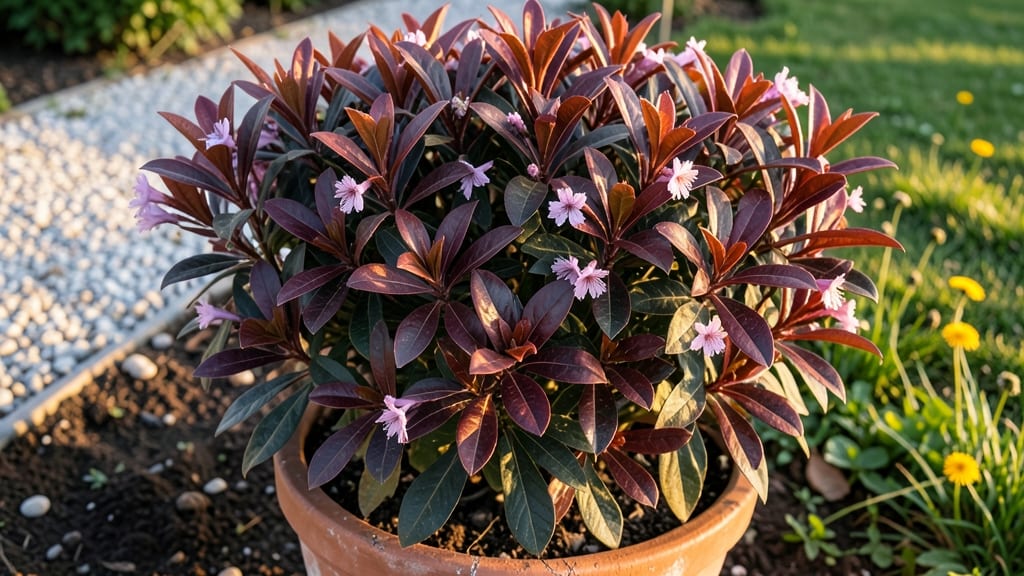
Your garden just got a year-round showstopper—the Ever Red Loropetalum delivers bold crimson blooms and glossy evergreen leaves without a single thorn to ruin your gloves. 🌿 I fell for this shrub after seeing how it thrived in my neighbor’s dry, rocky soil while other plants wilted under the summer sun.
The secret lies in its adaptability and that stunning, almost neon-red foliage that pops against any backdrop.
This drought-tolerant beauty loves full sun to partial shade and well-draining soil—even sandy or clay-heavy spots won’t phase it. Plant it in spring or fall when temperatures are mild, and you’ll avoid transplant shock.
The key to keeping it lush? Water deeply but infrequently—once established, it sips water like a desert plant, making it perfect for low-maintenance landscapes.
Prune lightly after flowering to shape it, and fertilize once in early spring with a balanced formula. Over time, it grows into a 3-6 foot shrub with a rounded form—ideal for hedges, foundation plantings, or as a striking focal point.
The best part? No deadheading needed—those crimson blooms stick around all year.
Pair it with rosemary, lavender, or boxwood for a Mediterranean vibe, or let it stand alone as a bold, evergreen statement. Once you plant one, you’ll wonder why you didn’t add it sooner—it’s the kind of shrub that makes neighbors ask, “What is that gorgeous thing?”
📚 In This Guide
- What you need
- Instructions
- Tips and common mistakes
- Wrapping up and next steps
What you need
- ● Ever Red Loropetalum shrub: 1-2 mature plants (3-5 ft tall, depending on desired size). Choose healthy specimens with vibrant red foliage and buds.
- ● Well-draining soil: 5-10 bags (20 lb each) of garden loam or peat-based potting mix (amend with perlite/sand for drainage).
- ● Organic mulch: 2-3 bags (3 cu. ft each) of pine bark fines or shredded hardwood mulch (acid-loving plants thrive with this!).
- ● Slow-release fertilizer: 1 bag (20 lb) of 10-10-10 or 8-3-9 formula (acidic, like Osmocote or Miracle-Gro Azalea).
- ● Pruning tools: 1 pair bypass pruners (for clean cuts).
- ● 1 pair loppers (for thicker branches).
- ● 1 sterilizing solution (70% isopropyl alcohol or bleach water).
- ● Watering supplies: 1 hose with adjustable nozzle (or drip irrigation kit for efficiency).
- ● 1 watering can (for potted plants or seedlings).
- ● Epsom salt: 1 small bottle (for magnesium boost—mix 1 tbsp per gallon of water monthly).
- ● Soil pH tester: 1 kit (to confirm acidic soil, ideal for Loropetalum).
- ● Plant support: 1-2 stakes or cages (if growing in windy areas).
- ● Fungicide: 1 bottle (preventative copper-based or neem oil spray for fungal risks).
- ● Garden gloves: 1 pair (to protect hands from thorns on some varieties—though Ever Red is thornless!).
Step-by-Step guide to planting and caring for Ever Red Loropetalum
This stunning shrub thrives with the right balance of sun, soil, and attention—here's how to make it flourish.
🌱 Step 1: Choose the Perfect Planting Spot
Ever Red Loropetalum craves full sun exposure—at least 6 hours of direct sunlight daily. I always scout the location first, watching how sunlight moves across the yard. South-facing spots work best, but a west-facing area with afternoon sun also delivers great results.
This shrub tolerates USDA Hardiness Zones 7-10, so check your zone before planting. The foliage's deep crimson color intensifies in cooler weather, making it a standout even in winter. Avoid low-lying areas where cold air pools—you'll see frost damage on tender new growth if planted too low.
🪴 Step 2: Prepare the Soil and Plant Properly
Dig a hole twice as wide as the root ball but no deeper—this encourages root spread rather than settling. Ever Red Loropetalum prefers well-draining, slightly acidic soil (pH 5.0-6.5). If your native soil is heavy clay, mix in 2-3 inches of organic compost to improve drainage and fertility.
Gently remove the shrub from its container and loosen any circling roots with your fingers. Place it in the hole so the top of the root ball sits 1 inch above ground level. Backfill with native soil mixed with compost, pressing lightly to eliminate air pockets. Water deeply to settle the soil around the roots—you'll see the soil surface settle about an inch as it absorbs moisture.
☀️ Step 3: Water Deeply and Establish a Routine
After planting, water once daily for 2 weeks to help roots establish. You'll know you're doing it right when water drains freely through the soil—no puddling at the surface. Once established, water 2-3 times weekly during dry spells, aiming for 1-1.5 inches of water per week. This shrub's drought-tolerant once mature, but young plants need consistent moisture.
Mulch around the base with 2-3 inches of organic mulch, keeping it 3 inches away from the trunk to prevent rot. The mulch helps retain moisture and regulates soil temperature. You'll notice fewer weeds and more stable soil moisture after applying mulch—just refresh it annually as it breaks down.
✂️ Step 4: Prune for Shape and Encourage Blooms
Prune Ever Red Loropetalum in late winter or early spring, just before new growth begins. Remove any dead, damaged, or crossing branches first—these compete with healthy growth. Then shape the shrub by cutting back 1/3 of the oldest stems to encourage new, vibrant growth from the base.
For continuous blooms, I lightly trim spent flowers throughout the season. This prevents seed formation and redirects energy into more flowers. Avoid heavy pruning in fall—you'll see fewer blooms next season if you cut back too aggressively. Always use clean, sharp pruners to make clean cuts just above a leaf node.
🌿 Step 5: Fertilize and Monitor for Pests
Feed your Ever Red Loropetalum with a balanced, slow-release fertilizer (10-10-10) in early spring and again in mid-summer. I apply about ½ cup per year of growth around the drip line, keeping it away from the trunk. Over-fertilizing leads to excessive leaf growth at the expense of flowers—you'll see lush foliage but sparse blooms if you go overboard.
Watch for spider mites or scale insects, which occasionally target this shrub. I treat infestations with a horticultural oil spray in early spring before new growth appears. You'll spot spider mites as tiny webs on the undersides of leaves, while scale looks like small bumps along stems. Catching issues early prevents them from spreading to nearby plants.
Tips & tricks for perfect Ever Red Loropetalum care
Between us, these little details make all the difference when your Ever Red Loropetalum thrives for years to come.
Sunlight Strategy: That 6-hour minimum of sunlight in Step 1 is non-negotiable, but here's the trick: if you notice the foliage looking pale or sparse, it's getting too much shade. I've seen this happen in east-facing spots where morning sun gets blocked by taller plants. Watch for the leaves turning lighter than that rich crimson—it's your plant's way of saying "I need more light." South-facing spots are ideal, but west-facing areas with afternoon sun work beautifully too.
Soil Science: When amending heavy clay soil in Step 2, don't just toss in compost and call it good. Mix in 2-3 inches of perlite or coarse sand along with that organic compost to create true drainage. The goal is to transform dense clay into a loamy texture that mimics its natural habitat. I test drainage by digging a hole, filling it with water, and watching how quickly it drains—if it takes more than 30 minutes, you need more amendments.
Watering Wisdom: The 2-week daily watering routine in Step 3 is crucial, but timing matters just as much. Water in the early morning so the foliage has all day to dry, preventing fungal issues. I use a rain gauge to track that 1-1.5 inches per week—it's easy to underestimate how much water you're actually providing. Mulch helps tremendously here by locking in moisture and creating a stable environment for those roots.
Pruning Precision: When cutting back that 1/3 of oldest stems in Step 4, always make your cuts at a 45-degree angle just above a leaf node. This simple technique encourages faster healing and new growth. I've seen many gardeners make straight cuts that leave stubs—these can rot and become entry points for pests. Clean pruners are non-negotiable too; I disinfect mine with rubbing alcohol between cuts to prevent spreading disease.
Pro Tips for Ever Red Loropetalum Shrub
- Between us, these little details make all the difference when your Ever Red Loropetalum thrives for years to come.
- Sunlight Strategy: That 6-hour minimum of sunlight in Step 1 is non-negotiable, but here's the trick: if you notice the foliage looking pale or sparse, it's getting too much shade.
- Soil Science: When amending heavy clay soil in Step 2, don't just toss in compost and call it good.
Frequently asked questions
Got questions about growing and caring for your Ever Red Loropetalum? You’re not alone! Here are some of the most common queries—plus straightforward answers to keep your shrub thriving with those stunning year-round blooms.
How fast does the Ever Red Loropetalum grow?
The Ever Red Loropetalum is a moderate grower, typically adding 12–24 inches per year under ideal conditions. With proper sunlight (6+ hours/day) and well-draining soil, it can reach 6–10 feet tall and 4–6 feet wide within 3–5 years. Patience pays off—its slow-and-steady growth ensures a sturdy, long-lived shrub!
Is this shrub cold-hardy, or do I need to protect it in winter?
This beauty thrives in USDA Zones 7–10, meaning it’s mildly cold-hardy (down to 0°F). In colder zones (Zone 6 or below), mulch heavily around the base and consider winter wraps or microclimates (like near a south-facing wall) to shield it from frost. If you’re in a harsh winter area, container-growing with insulation works too!
Why aren’t my Ever Red Loropetalum blooms as vibrant as they should be?
Dull or sparse blooms often signal nutrient deficiencies or overwatering. Try these fixes:
- Fertilize in early spring with an acid-loving plant formula (like 8-3-9).
- Check soil moisture: Loropetalums hate soggy roots. Water deeply but let the top 2 inches dry between waterings.
- Prune strategically: Trim back leggy growth in late winter to encourage new, bushier blooms.
Are there any pests or diseases I should watch for?
While generally low-maintenance, Ever Red Loropetalum can attract:
- Spider mites (dry conditions) – Treat with neem oil or a strong spray.
- Fungal issues (like powdery mildew) – Improve airflow and avoid overhead watering.
- Scale insects – Scrape off manually or use horticultural oil.
Can I grow Ever Red Loropetalum in containers, or is it better in the ground?
This shrub thrives in containers if you:
- Use a large pot (18+ inches wide) with drainage holes.
- Choose well-draining potting mix (add perlite or sand).
- Water frequently (containers dry out faster).
Wrapping up and next steps
The Ever Red Loropetalum isn’t just a shrub—it’s a showstopper that brings bold color and effortless beauty to your landscape year-round. With its thornless charm, vibrant foliage, and stunning blooms, it’s the perfect choice for gardeners who crave low-maintenance elegance and visual impact.
Ready to transform your outdoor space? Plant one today and enjoy the ever-red magic it brings! For extra inspiration, explore companion plants or creative landscaping ideas to make your garden truly stand out. 🌸✨