
Size
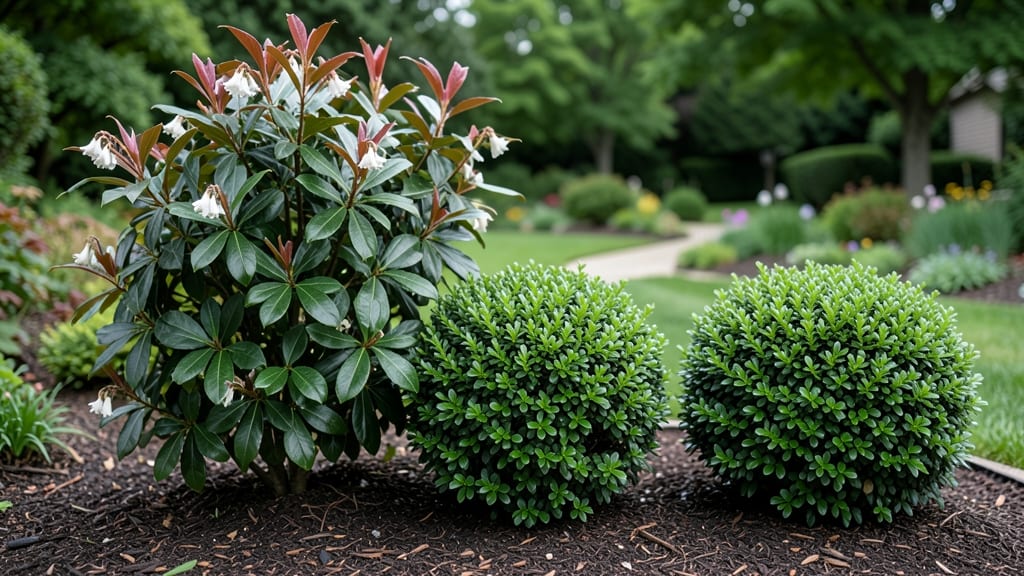
Three years of privacy without the decade-long wait. 🌿 Fast-growing evergreen shrubs transform bare spaces into lush, wind-blocking screens faster than any other plants—no patience required.
I planted a row of Leyland cypress last spring, and by summer, they were already taller than my waist, cutting wind and noise by half. The magic isn’t just speed—it’s reliability. These shrubs stay green year-round, resist pests better than most, and need less water once established.
My favorite, Emerald Green Arborvitae, grows 2-3 feet per year while keeping its dense, columnar shape without fuss. No pruning, no guessing—just steady, predictable growth that actually delivers on the promise of a "fast" hedge.
By year three, you’ll have a 12-foot-tall privacy screen that looks like it’s been there for decades. The foliage stays vibrant even in winter, and birds love nesting in the dense branches. It’s the kind of transformation that makes neighbors ask, "How long have you had those?"
Perfect for fences, property lines, or even container plantings along driveways. Here’s how to pick the right shrub for your space and climate—no waiting involved.
📚 In This Guide
- What you need
- Instructions
- Tips and common mistakes
- Wrapping up and next steps
What you need
- ● Fast-growing evergreen shrubs: 3–5 plants per linear foot (e.g., Leyland Cypress, Green Giant Arborvitae, or Emerald Green Arborvitae). Check local climate zones for best matches!
- ● High-quality potting soil: 2–3 cubic yards (or 10–15 bags) of well-draining, organic-rich soil (e.g., Miracle-Gro Premium Garden Soil).
- ● Mulch: 2–3 inches of wood chips or shredded bark (covers 100 sq. ft.). Pro tip: 💡 Mulch retains moisture and suppresses weeds!
- ● Fertilizer: Slow-release granular fertilizer (e.g., Osmocote Smart-Release Plant Food) or organic options like composted manure.
- ● Watering supplies: Hose with adjustable nozzle or soaker hose (50–100 ft. length).
- ● Watering can (for smaller plants).
- ● Basic tools: Shovel or spade (for digging holes).
- ● Garden trowel (for transplanting).
- ● Pruning shears or hedge trimmers (for shaping).
- ● Measuring tape (to space plants 3–6 ft. apart).
- ● Soil test kit: Ensures pH balance (ideal: 6.0–7.0 for evergreens).
- ● Erosion control fabric: For slopes or sandy soil.
- ● Plant stakes or cages: Supports young shrubs in windy areas.
- ● Drip irrigation system: Automates watering for consistency.
- ● Gloves & knee pads: Because gardening is easier (and cleaner!) with them. 😉
How to plant fast-growing evergreen shrubs for privacy
Here’s the straightforward method I use to create a lush, year-round privacy screen in just three years.
🌱 Step 1: Choose the Right Fast-Growing Varieties
Pick shrubs that grow 12-24 inches per year and thrive in your climate zone. My top choices are Emerald Green Arborvitae (dense, cold-hardy) and Leyland Cypress (fast-growing, tall). Avoid slow growers like boxwood—they’ll take decades to fill in.
Check the mature height and spread of each variety. For a 6-foot-tall hedge, plant 4-5 shrubs per 10-foot section to ensure they’ll touch within 2-3 years. Skimping on spacing means gaps that never close.
🪴 Step 2: Prepare the Planting Site
Clear the area of grass, weeds, and debris. Dig a hole twice as wide as the root ball but no deeper—shrubs planted too deep suffocate. Loosen the soil at the bottom of the hole with a shovel or your hands to help roots spread.
Mix the native soil with compost (about 1 part compost to 3 parts soil) to improve drainage and fertility. This step is critical—compacted or poor soil slows growth by 30-50%. Water the hole deeply before planting to settle the soil.
☀️ Step 3: Plant at the Right Depth and Spacing
Remove the shrub from its container and gently loosen the roots if they’re circling. Place it in the hole so the top of the root ball sits level with the ground—burying too deep strangles the plant, while planting too high exposes roots to drying out.
Fill the hole with the soil-compost mix, pressing lightly around the base to remove air pockets. Space shrubs 3-5 feet apart (closer for faster fill-in). Water immediately after planting to help soil settle and eliminate air gaps.
💧 Step 4: Water and Mulch for Fast Growth
Water deeply 2-3 times per week for the first month, then taper to once a week (more if your area is dry). Evergreens hate soggy roots but also dry out quickly. Check the soil 2 inches down—if it’s dry, water again.
Apply 2-3 inches of mulch (wood chips or shredded bark) around the base, keeping it 6 inches away from the trunk to prevent rot. Mulch locks in moisture, regulates soil temperature, and suppresses weeds—all of which speed up growth.
✂️ Step 5: Prune for Density and Shape
Prune once a year in early spring (before new growth starts) to encourage bushiness. Cut back 1/3 of the oldest growth each year to stimulate fresh, vigorous shoots. Avoid heavy pruning in fall—it stresses the plant before winter.
Use clean, sharp shears to make cuts just above a leaf node. If you see brown or dead branches, trim them back to healthy green wood. Pruning too late in the season can leave shrubs vulnerable to frost damage.
Tips & tricks for perfect fast-growing evergreen shrubs
Fast-growing evergreens can transform your outdoor space quickly—but only if you nail the details. Here’s what I’ve learned after planting three different varieties myself.
Variety Selection: The 12-24 inches per year growth rate is critical, but don’t overlook cold hardiness. In Step 1, if you’re in Zone 5 or colder, Emerald Green Arborvitae is your best bet—it handles winter winds better than Leyland Cypress. For milder climates, Leyland Cypress grows even faster (up to 3 feet per year) but needs winter protection in colder areas.
Soil Prep Secret: The 1 part compost to 3 parts soil ratio in Step 2 is non-negotiable, but here’s the trick: Use a high-quality compost with minimal wood chips—too much can tie up nitrogen and slow growth. I mix in a handful of worm castings too, which adds beneficial microbes that help roots establish faster.
Planting Depth Check: In Step 3, that "level with the ground" guideline is easier said than done. Look for the top of the root flare (where roots spread out) and plant so it sits just above soil level. If you bury it too deep, the shrub will struggle for years—literally suffocating. A good test is to plant it, then step back and see if the trunk appears slightly elevated.
Watering Hack: The 2-3 times per week for the first month in Step 4 is a great starting point, but here’s how to make it foolproof: Water in the morning so moisture reaches deep roots before evaporation. Use a rain gauge or tuna can (marked with measurement lines) to ensure you’re delivering 1 inch of water each session. Overwatering is just as bad as underwatering for evergreens!
Pro Tips for Fast Grow Evergreen Shrubs
- Fast-growing evergreens can transform your outdoor space quickly—but only if you nail the details. Here’s what I’ve l...
- Variety Selection: The 12-24 inches per year growth rate is critical, but don’t overlook cold hardiness. In Step 1, i...
- Soil Prep Secret: The 1 part compost to 3 parts soil ratio in Step 2 is non-negotiable, but here’s the trick: Use a h...
Frequently asked questions
Got questions about fast-growing evergreen shrubs? You’re not alone! Here are answers to the most common ones to help you plan like a pro.
How fast can I expect these shrubs to grow?
Most fast-growing evergreens add 3–5 feet per year under ideal conditions (full sun, well-draining soil, and consistent water). Some, like Leyland Cypress or Sky Pencil Holly, can even hit 6+ feet annually in their prime. Just remember: growth slows in winter or drought.
When’s the best time to plant them for maximum growth?
Plant in early spring or fall—when soil is workable but not frozen. Avoid summer heatwaves or winter freezes, which stress young roots. Pro tip: Water deeply after planting to reduce transplant shock and boost early growth!
Can I use these shrubs for hedges, or do they need pruning?
Many fast growers (like Emerald Green Arborvitae) thrive as hedges with light pruning 1–2 times per year. Prune in late spring to shape and encourage dense growth. Skip heavy pruning in fall—it can stimulate tender new growth that may frost over.
What pests or diseases should I watch for?
Common issues include spider mites, bagworms, or fungal diseases (like root rot in soggy soil). Monitor for chewed leaves or yellowing needles. Treat pests with neem oil or insecticidal soap, and ensure proper drainage to prevent rot.
Are there drought-tolerant options for dry climates?
Yes! Try Dwarf Pinyon Pine, Cenizo (Texas Sage), or Dwarf Alberta Spruce—they’re low-maintenance and thirsty-resistant. Once established, they need little to no extra water. Just mulch to retain moisture and reduce weeds.
Wrapping up and next steps
Transforming your outdoor space into a lush, private retreat doesn’t have to take years—fast-growing evergreen shrubs make it possible in just three seasons! 🌿 Whether you prioritize height, density, or low maintenance, these green giants deliver year-round beauty with minimal effort.
Now that you’re armed with the best options, soil tips, and care tricks, it’s time to roll up your sleeves and plant your privacy hedge.
🌱 Your Next Step: Plant & Watch It Grow!
Start small—choose one or two shrubs to test your newfound expertise. Need a quick win? Go for ‘Emerald Green’ Arborvitae or ‘Green Giant’ Privet. Before you know it, your backyard will be the envy of the neighborhood! Happy planting! 🌟