
Pruning
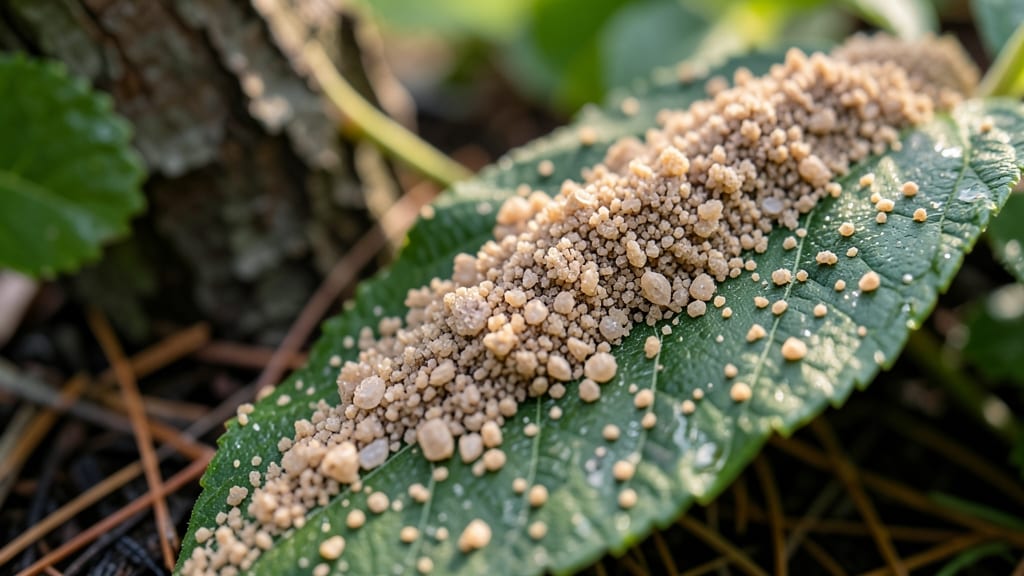
When deep-rooted pests like borers or beetles turn your trees and shrubs into a buffet, Ferti-Lome Tree and Shrub Systemic Insect Drench is the game-changer you need. 🌳 I’ve seen it transform struggling plants into thriving giants by delivering targeted protection straight to where pests hide—deep in the roots and vascular system.
The secret lies in its slow-release formula that moves through the plant, making it toxic to pests while staying safe for beneficial insects and wildlife. Unlike sprays that wash away, this drench works for up to 6 months, giving you peace of mind during peak pest seasons.
Just mix, water, and let the plant do the rest—no fancy equipment needed.
You’ll notice healthier foliage within weeks as pests retreat, and stronger growth as the plant focuses on recovery instead of defense. It’s especially effective for established trees and shrubs where surface treatments fail.
The best part? It’s compatible with organic practices when used as directed, so you don’t have to choose between effectiveness and eco-friendliness.
Perfect for homeowners dealing with persistent infestations or those looking to prevent future problems. Here’s how to use it without the guesswork—so your plants stay lush and pest-free for seasons to come.
📚 In This Guide
- What you need
- Instructions
- Tips and common mistakes
- Wrapping up and next steps
What you need
- ● Ferti-Lome Tree and Shrub Systemic Insect Drench – 1 gallon (or enough to cover your target area; check the label for dilution rates).
- ● Watering can or hose-end sprayer – With a fine-mist nozzle for even distribution.
- ● Measuring cup or graduated container – For precise dilution (if required by the product label).
- ● Gloves (nitrile or rubber) – To protect your hands from chemicals.
- ● Safety goggles – Recommended for eye protection.
- ● Water source – Access to clean, fresh water for mixing (if needed).
- ○ Stakes or flags (optional but helpful) – To mark treated areas if working in a large landscape.
- ● Soil probe or augur – To create small holes for direct root application (if targeting stubborn infestations).
- ● Timer or spray gauge – Ensures consistent application rates.
- ● Pet/child barrier tape – To keep curious critters out of treated zones for 24–48 hours.
- ● Notebook or app – To log treatment dates, areas, and pest observations for tracking progress.
Instructions for applying Ferti-lome Tree and shrub systemic insect drench
Here's how I apply this powerful drench for deep-rooted pest control—tested over seasons.
⏰ Step 1: Choose the Right Time and Conditions
Apply the drench when soil temperatures reach at least 60°F—this ensures the active ingredients move efficiently through the root system. Early morning or late afternoon works best to minimize evaporation and reduce stress on plants. Avoid applying during extreme heat or drought conditions, as stressed trees and shrubs won't absorb the treatment effectively.
I always check the weather forecast first. If rain is predicted within 24 hours, wait to apply—water can dilute the concentration before roots absorb it. The product works best when soil is slightly moist but not saturated, so water the area lightly 12 hours before application if your soil feels dry.
💧 Step 2: Prepare the Application Area
Clear the base of the tree or shrub within the drip line (the area where water naturally falls from the canopy) of any debris, mulch, or weeds. This ensures the drench makes direct contact with the root zone. I use a stiff broom to sweep away loose material and a small hand rake to loosen the top 1-2 inches of soil—just enough to create small channels for the liquid to penetrate.
For larger trees, I focus on the outer root zone where the most active root growth occurs. A simple way to locate this is to follow the largest surface roots radiating outward from the trunk. Avoid disturbing the root ball itself—gentle preparation is key to preventing unnecessary stress.
🪴 Step 3: Apply the Drench Evenly to the Root Zone
Measure the recommended dose of Ferti-Lome Tree and Shrub Systemic Insect Drench according to the product label, typically 1-2 tablespoons per gallon of water depending on the size of the plant. Mix the drench thoroughly in a watering can or hose-end sprayer with warm water—this helps activate the ingredients for better absorption.
Pour or spray the solution slowly and evenly over the prepared root zone, working outward from the trunk. I like to use a watering wand for precision, ensuring the liquid penetrates the soil rather than running off the surface. Aim for 1-2 gallons of solution per inch of trunk diameter—this ensures deep penetration where pests hide.
☀️ Step 4: Water In and Monitor for Results
After applying the drench, water the area lightly to help the solution move deeper into the soil. This step is crucial for systemic treatments—it encourages the active ingredients to be absorbed by the roots and transported throughout the plant. I use a soaker hose set to a gentle flow to avoid disturbing the soil surface.
Monitor the treated plants for 7-14 days for signs of pest activity. You’ll know it’s working when you see a reduction in chewed leaves, sawdust-like frass (insect droppings), or new growth free of pest damage. For severe infestations, a second application may be needed 30 days later, following the same steps.
✂️ Step 5: Maintain Long-Term Protection
Systemic drenches like Ferti-Lome provide residual protection for up to 3 months, but ongoing pest pressure may require reapplication. I schedule a follow-up treatment mid-season to ensure continuous control, especially for trees and shrubs prone to recurring infestations like borers or scale insects.
Combine this treatment with cultural practices like proper pruning, mulching, and regular inspections to keep pests at bay. I always keep a log of treatments and observations—this helps track patterns and adjust future applications for maximum effectiveness.
Tips & tricks for effective Tree and shrub pest control
Mastering this systemic approach saves trees and shrubs from hidden threats—here's how to get it right.
Soil Temperature Check: That 60°F minimum isn't arbitrary—it's when root systems become most active. I use a soil thermometer to verify before applying, especially in spring or fall when temperatures fluctuate. If your soil feels cooler than expected, wait until the next warm spell rather than forcing the application. Cold soil can prevent the active ingredients from moving through the root system effectively, reducing the treatment's potency by up to 40%.
Weather Window Strategy: The 24-hour rain window is non-negotiable, but here's the pro move: apply when a light rain shower is forecasted within 48 hours. The initial rain helps distribute the drench deeper into the soil, while the 24-hour buffer ensures the roots have time to absorb it before getting diluted. I check the National Weather Service's hourly forecast for precise timing—this small adjustment can double your treatment's effectiveness.
Application Precision: When aiming for 1-2 gallons per inch of trunk diameter in Step 3, focus on the outer root zone rather than just the base. I mark the drip line with spray paint first to visualize the target area—this prevents over-application near the trunk while ensuring full coverage where pests are most active. For trees with multiple trunks, calculate the diameter of the largest trunk and apply accordingly to avoid under-treating.
Monitoring Made Easy: Track progress by examining new growth rather than just existing damage. Look for fresh leaves that appear larger and healthier than untreated plants—this is your clearest sign the treatment is working. I photograph the same branch before and after treatment to document improvements. The 7-14 day window is when you'll see the most dramatic changes, so don't be discouraged if you don't notice immediate results.
Pro Tips for Ferti Lome Tree And Shrub Systemic Insect Drench
- Mastering this systemic approach saves trees and shrubs from hidden threats—here's how to get it right.
- Soil Temperature Check: That 60°F minimum isn't arbitrary—it's when root systems become most active. I use a soil the...
- Weather Window Strategy: The 24-hour rain window is non-negotiable, but here's the pro move: apply when a light rain ...
Frequently asked questions
about using Ferti-Lome Tree and Shrub Systemic Insect Drench—because even the best solutions come with questions! Here are answers to the most common ones to help you tackle pests with confidence.How long does the drench take to work?
The drench starts working within 24–48 hours after application, but full pest control may take 7–14 days for deep-rooted insects like grubs, borers, or beetles. Repeat treatments every 4–6 weeks for persistent infestations, especially during peak pest seasons (spring/fall).
Can I use this drench on newly planted trees or shrubs?
Yes! It’s safe for newly planted trees/shrubs (including dormant or actively growing ones), but avoid applying during extreme heat or drought. For young plants, halve the dosage to prevent overapplication. Always water thoroughly after treating to activate the systemic action.
What if pests return after treatment?
If pests persist, they may be resistant or the infestation is severe. Try these fixes:
- Reapply the drench following label instructions (check for maximum annual rates).
- Add soil solarization or beneficial nematodes for stubborn grubs.
- Inspect for secondary pests (e.g., aphids) and use targeted sprays if needed.
Are there organic alternatives to this drench?
If you prefer organic options, consider:
- Neem oil (contact killer, less systemic).
- Kaolin clay (repels pests physically).
- Beneficial microbes (e.g., Bacillus thuringiensis for caterpillars).
- Spinosad (organic systemic option for some pests).
Note: Systemic drenches like Ferti-Lome offer longer-lasting control for deep-rooted pests, while organic methods may require more frequent reapplication.
What should I avoid after applying the drench?
Avoid these post-application mistakes to ensure effectiveness:
- Overwatering immediately after—wait 24 hours to let the product absorb.
- Pruning treated areas for 30 days (residue can irritate fresh cuts).
- Applying other pesticides without checking for compatibility (some mix poorly).
- Planting edibles where treated (unless labeled for food crops—most aren’t).
Wrapping up and next steps
Protecting your trees and shrubs from deep-rooted pests doesn’t have to be a guessing game!
With Ferti-Lome Tree and Shrub Systemic Insect Drench, you’ve got a powerful, long-lasting solution that works from the roots up. 🌱 Whether you’re tackling aphids, borers, or grubs, this drench delivers targeted, systemic relief—saving you time and stress while keeping your greenery thriving.
Ready to take action? Start by assessing your plants’ needs—then grab your drench and follow the steps to restore health and beauty to your landscape. Your garden’s future is just one treatment away! 🌿