
Pruning
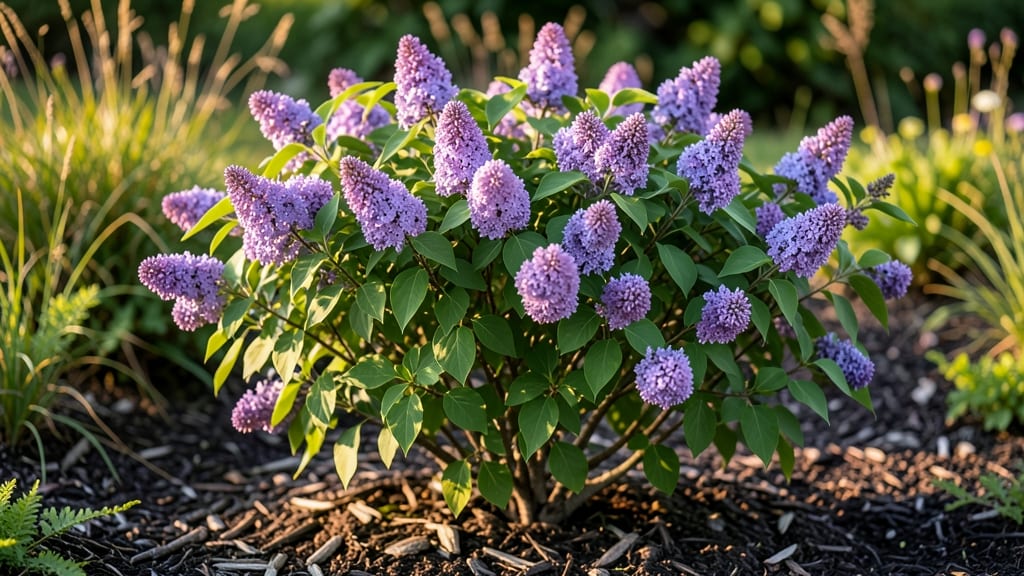
Pruning the lilac tree or shrub isn't just about shaping bushes—it's about unlocking next year's blooms right now. ✨ I've learned that timing matters more than technique, and the three-season approach transforms my lilacs from average to showstopping every spring.
The key is cutting at the right moments to encourage strong growth while preserving those fragrant purple spikes.
You'll need basic pruning tools—a sharp pair of loppers or bypass pruners—and a clear day to work. Most lilacs bloom on old wood, so the real magic happens in late summer or early fall when new growth has finished.
This prevents cutting off next year's flower buds by accident. I always mark my calendar for August 15th as my target date, though exact timing depends on your climate zone.
By following this schedule, you'll see thicker stems, more abundant blooms, and plants that stay healthy for decades. The fragrance alone makes it worth the effort—imagine walking past a bush heavy with purple blossoms in May, each stem loaded with clusters that perfume the air for weeks.
The first flush of blooms arrives earlier and lasts longer than with traditional pruning methods.
This method works for both tree-form lilacs and shrub varieties, including popular choices like 'Tina' and 'Dwarf Korean'. Even if you've over-pruned in the past, lilacs are forgiving—just reset your approach and watch them bounce back.
The secret is patience combined with strategic cuts that encourage the right kind of growth.
📚 In This Guide
- What you need
- Instructions
- Tips and common mistakes
- Wrapping up and next steps
What you need
- ● Pruning shears: Sharp, bypass-style shears (for small stems, 4–6 inches in diameter). Pro tip: 💡 Sharpen blades before use to avoid crushing stems!
- ● Loppers: Heavy-duty loppers (for thicker branches, ½–1½ inches in diameter). Look for long handles for leverage.
- ● Pruning saw: A curved-tooth pruning saw (for branches over 1½ inches thick). Pro tip: 🔥 Use a clean saw to prevent disease spread.
- ● Gloves: Sturdy, cut-resistant gardening gloves (to protect hands from thorns and rough bark).
- ● Disinfectant: 70% isopropyl alcohol or a 10% bleach solution (to sterilize tools between cuts).
- ● Rake or broom: For clearing debris after pruning.
- ○ Pruning sealant (optional but recommended): Tree wound dressing (for large cuts over ½ inch in diameter).
- ● Ladder or step stool: For reaching higher branches safely.
- ● Marking spray or paint: To mark branches for removal (if planning a major reshaping).
- ● Compost bin or bag: To collect pruned branches for mulch or disposal.
- ● Hand lens or magnifying glass: For inspecting buds and identifying dead wood.
Step-by-step guide to pruning lilac trees or shrubs
Here's the method I've refined over years of growing lilacs—it keeps them blooming like crazy while avoiding those sad, overpruned skeletons.
✂️ Step 1: Prune Immediately After Spring Blooms
Right after your lilacs finish flowering—usually in late May or early June—is the perfect time to shape them. This ensures next year's buds form properly on new wood. I grab my bypass pruners (never dull ones—they tear stems) and start by removing any dead, diseased, or crossing branches first. These are easy to spot—they're brown inside or rubbing against others.
Next, cut back any branches that bloomed poorly last year. You'll know them by their sparse flowers or weak stems. Aim to open up the center of the plant so air circulates better—this prevents fungal issues. Never remove more than one-third of the plant's total growth in a single season, or you'll shock it.
✂️ Step 2: Light Summer Pruning for Shape and Health
About 6-8 weeks after the first pruning, do a quick maintenance trim in mid-to-late summer. This is where you shape the plant for fullness. Look for branches growing inward or upward—these are the ones to cut back to an outward-facing bud. I like to step back every few cuts to check the overall shape.
Here's the thing—lilacs bloom on old wood, so avoid heavy pruning now. Just trim back any leggy growth or branches that look overcrowded. Water the plant well after pruning, especially if your summer is dry. You'll see new growth starting within 2-3 weeks—that's your signal everything's working.
✂️ Step 3: Heavy Structural Pruning in Late Winter
In late winter (February or March), before buds swell but while the plant is still dormant, do your most aggressive pruning. This is when you can reshape the entire plant. Start by removing any dead, weak, or damaged branches first—these are easy to spot since they're bare or have no buds.
Next, thin out older wood (branches over 3-4 years old) to encourage younger, more vigorous growth. Cut these back to a strong outward-facing bud or branch. Never leave stubs—always cut just above a bud or branch junction. After pruning, apply a 2-3 inch layer of mulch around the base to protect roots from temperature swings.
🌿 Step 4: Post-Pruning Care for Strong Growth
After any major pruning, give your lilac some extra love. Water deeply once a week for the first month, especially if your area gets little rain. I also add a balanced fertilizer (10-10-10) in early spring to support new growth. Avoid high-nitrogen fertilizers—they promote leafy growth at the expense of flowers.
Watch for new shoots emerging from the base or along branches—these are your plant's way of recovering. If you see any yellowing leaves or wilting, it might be overpruned or stressed. In that case, hold off on fertilizing and just keep the soil moist. With proper care, your lilac will bounce back with even more dramatic blooms next season.
Tips & tricks for perfect lilac tree or shrub pruning
These simple tricks will help you keep your lilacs thriving and blooming beautifully year after year.
Timing is Everything: The late May or early June window for post-bloom pruning is critical because lilacs set next year's flower buds on new wood formed after pruning. If you prune too early, you risk cutting off flower buds that haven't formed yet. Mark your calendar now—this timing ensures maximum blooms next spring without sacrificing growth.
The One-Third Rule: Never remove more than one-third of the plant's total growth in a single season, as specified in Step 1. This prevents shock and maintains the plant's energy balance. If your lilac looks particularly leggy, spread the pruning over multiple seasons—just avoid heavy cuts during the growing season when it's most vulnerable.
Bud Direction Matters: When pruning in summer or winter, always cut back to an outward-facing bud. This simple technique opens up the plant's center and encourages fuller growth. I like to visualize the plant's natural shape while pruning—each cut should help create that classic rounded lilac silhouette we all love.
Mulch Magic: After any major pruning, especially in winter, apply a 2-3 inch layer of mulch around the base. This protects roots from temperature swings and retains moisture. I use shredded bark mulch because it breaks down slowly and improves soil structure over time. Just keep it 2-3 inches away from the trunk to prevent rot.
Pro Tips for Lilac Tree Or Shrub
- These simple tricks will help you keep your lilacs thriving and blooming beautifully year after year.
- Timing is Everything: The late May or early June window for post-bloom pruning is critical because lilacs set next ye...
- The One-Third Rule: Never remove more than one-third of the plant's total growth in a single season, as specified in ...
Frequently asked questions
Got questions about pruning your lilac tree or shrub? You’re not alone! Here are some of the most common concerns—and their answers—to help you keep your lilacs thriving and blooming beautifully.
When is the best time to prune lilacs for blooms?
The ideal time is right after flowering (late spring to early summer), but you can also do a light shaping prune in late winter or early spring before buds swell. Avoid pruning in fall—it can stimulate new growth that won’t survive winter. Pro tip: Never prune lilacs in summer unless removing dead wood, or you’ll cut off next year’s blooms!
How much can I trim back my lilac shrub?
For rejuvenation pruning, you can cut back up to ⅓ of the oldest stems to the ground in early spring. For routine maintenance, trim just the dead or overcrowded branches by ⅓ of their length. Avoid heavy pruning more than once every 3–5 years, or you’ll stress the plant. Warning: Never remove more than 25% of the shrub’s total growth in one season!
What if my lilac isn’t blooming after pruning?
Lilacs need last year’s growth to bloom, so prune after flowers fade. If it’s not blooming, check these:
- Age: Young lilacs (under 3 years) may not bloom yet.
- Over-pruning: Cutting back too hard removes next year’s flower buds.
- Location: Lilacs thrive in full sun (6+ hours/day).
- Soil/Water: Poor drainage or drought stress can reduce blooms.
Try fertilizing in early spring with a balanced 10-10-10 or lilac-specific food to encourage growth.
Can I prune a lilac tree the same way as a lilac shrub?
Not exactly! Lilac trees (like the Purple Robe cultivar) have a central leader, so prune to maintain that structure. Remove only dead, crossing, or weak branches—never cut the main trunk. For shrub-like lilacs, follow the three-season rule (light prune after blooming, heavy prune in early spring). Key difference: Trees need less aggressive trimming than shrubs!
What’s a good alternative if my lilac isn’t thriving?
If your lilac struggles with pests, disease, or poor growth, consider these low-maintenance alternatives with similar fragrance and blooms:
- Butterfly Bush (Buddleia) – Drought-tolerant, attracts pollinators.
- Daphne (Daphne odora) – Fragrant winter blooms, shade-tolerant.
- Weigela – Bright flowers, easy to prune.
- Mock Orange (Philadelphus) – Similar scent, thrives in partial shade.
All these plants require minimal pruning compared to lilacs but still deliver stunning seasonal color!
Wrapping up and next steps
Whether you’re a seasoned gardener or just starting your lilac journey, mastering three-season pruning is your ticket to stunning, healthy blooms year after year! 🌸 By understanding when and how to trim—spring, summer, and late fall—you’ll encourage vibrant growth, better airflow, and even more fragrant flowers.
Now that you’re equipped with the right tools, timing, and techniques, grab those shears and get pruning!
Ready to take it further? Experiment with varieties or share your progress with fellow plant lovers—your lilac’s transformation will inspire others! 🌿