
Shrubs
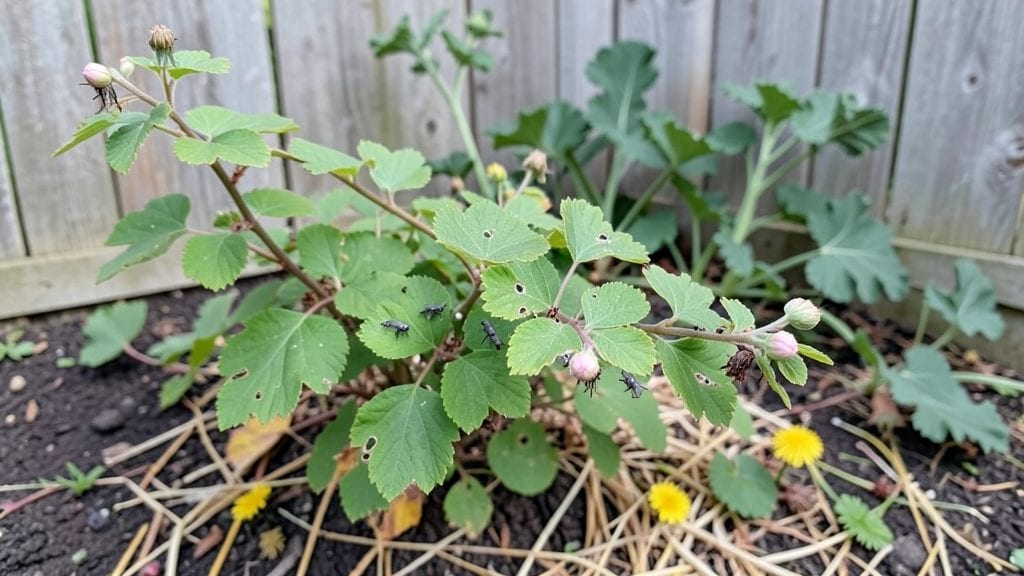
Flies swarming your shrubs aren’t just annoying—they’re stealing nutrients and stressing your plants. I’ve battled everything from fungus gnats to fruit flies, and the vinegar spray trick works in under 5 minutes to send them packing. The secret? A simple spray that disrupts their life cycle without harming your shrubs.
Most people wait until the flies are a full-blown problem before acting, but early intervention is key. These pests thrive in moist soil and decaying leaves, so keeping your shrubs dry and pruning regularly cuts off their food source.
My go-to spray uses 1 part white vinegar to 3 parts water—just shake it up and spray the foliage and soil surface. It’s cheap, fast, and works within 24 hours.
What you’ll get is shrubs that stop wilting, new growth that stays vibrant, and no more tiny black flies crawling on the leaves. The best part? This method keeps working as long as you reapply every 7-10 days during fly season.
No harsh chemicals, no waiting weeks for results—just healthy shrubs that look like they’re thriving.
Works for roses, hydrangeas, azaleas, and almost any shrub—just adjust the spray frequency based on how bad the infestation is. If you’ve been putting up with these pests, this is the game-changer you’ve been waiting for. Let’s get those shrubs back to their best.
Root Causes of Fly Infestations
Flies buzzing around your shrubs aren’t just a nuisance—they’re often a sign of deeper issues lurking in your garden. Understanding why these pests are drawn to your plants is the first step to reclaiming your outdoor space.
Below, we break down the top scientific reasons flies target shrubs, along with actionable insights to address each cause.
Flies, especially fruit flies and drosophila, are attracted to fermenting organic material. When shrubs produce overripe berries, fallen leaves, or rotting wood, they release ethanol and organic acids—a smorgasbord for flies. These pests lay eggs in decaying matter, where their larvae can feed and thrive.
What to watch for:
- Clusters of small, soft fruits (e.g., berries, tomatoes) on the ground
- Mushy leaves or stems near the base of shrubs
- A faint, sweet, or sour odor around the plant
✨ Pro Tip: Regularly inspect your shrubs for overripe or damaged fruits. Remove them immediately—even a single rotting berry can trigger a fly invasion within 24–48 hours.
Flies like fungus gnats and drain flies thrive in damp, humid environments. Overwatering, poor drainage, or dense foliage that traps moisture creates the perfect breeding ground. These pests lay eggs in saturated soil or stagnant water, and their larvae feed on organic debris in wet conditions.
What to watch for:
- Soggy soil around the base of shrubs (stick your finger in—if it’s damp past 1 inch deep, you’re overwatering)
- Yellowing leaves or mushy stems (signs of root rot, which attracts flies)
- Puddles or condensation near the plant (e.g., under dense shrubs like boxwoods or holly)
💡 Quick Fix: Improve drainage by amending soil with perlite or sand and watering only at the base (avoid overhead sprinkling). If your shrub is in a container, ensure it has drainage holes and elevate it slightly.
Flies are opportunistic scavengers. Leaves, twigs, and other garden debris provide shelter and food sources for adult flies and breeding sites for larvae. Even mulch that’s piled too thick can trap moisture and organic matter, inviting pests.
What to watch for:
- Piles of fallen leaves near shrubs (especially in corners or under eaves)
- Accumulated mulch pressing against stems (can trap moisture)
- Weeds or grass clippings left near the base of plants
🔥 Action Step: Clear all debris within 2 feet of your shrubs at least once a week. Use a leaf blower or rake to keep the area clean, and avoid thick mulch layers (2–3 inches max).
Some flies, like fungus gnats, are drawn to active fungal growth in soil. If your shrubs are stressed (from overwatering, poor nutrients, or disease), they become more susceptible to root infections and mold, which emit volatile organic compounds (VOCs) that attract flies.
What to watch for:
- White, cottony growth on stems or soil (sign of fungal infection)
- Slow growth or wilting despite adequate water
- Adult flies hovering near the soil surface (especially after watering)
🌡️ Prevention Tip: Apply a beneficial fungus treatment (like Trichoderma or Bacillus subtilis) to compete with harmful fungi. Reduce watering frequency and fertilize with compost tea to boost plant health.
Flies are also attracted to sugary substances, including:
- Nectar from flowers (especially sweet-smelling blooms like roses or lilacs)
- Sap from damaged bark (e.g., after pruning or pest infestations)
- Human food waste (picnic scraps, fallen fruit from nearby trees)
What to watch for:
- Flies clustering near blooming flowers on your shrubs
- Sticky residue on stems or leaves (sign of sap oozing)
- Unexplained fly swarms after meals or outdoor activities
🎯 Solution: Remove spent blooms regularly (deadheading) and clean up food debris immediately. If sap is an issue, apply a pruning sealant to cuts to prevent oozing.
Weather plays a huge role in fly activity. Warm, humid conditions accelerate breeding cycles, while dry spells can force flies to seek moisture sources—like your shrubs.
What to watch for:
- Sudden fly surges after rain (moisture triggers egg-laying)
- More flies in shaded or sheltered areas (they seek cooler, damp spots)
- Peak activity in late summer/early fall (when temperatures are ideal for breeding)
⏰ Timing Matters: Monitor fly activity after watering or rain—this is when they’re most active. Early morning or late evening are the best times to apply natural repellents (like vinegar spray) for maximum effectiveness.
Quick Fixes for Shrub Invaders
Flies buzzing around your shrubs aren’t just annoying—they can damage foliage, spread disease, and even deter pollinators. The good news? With a few targeted strategies, you can reclaim your garden in minutes.
Below, we’ve mapped out cause-specific solutions to tackle the problem at its root, plus long-term prevention tips to keep your shrubs fly-free.
Cause: Flies (especially fungus gnats, fruit flies, or house flies) thrive in moist, decaying organic matter—think fallen leaves, rotting wood, or overgrown shrubs. Fix:
- 🔥 Trim Back Thick Foliage – Use pruning shears to remove dense, crowded branches. Focus on areas with yellowing or wilting leaves, as these signal decay.
- 🍳 Remove Debris Immediately – Rake up fallen leaves, fruit, or mulch around the base of shrubs. Flies lay eggs in damp, hidden spots.
- 👨🍳 Boost Airflow – Thin out shrubs to improve circulation. Aim for a 30-50% reduction in density if growth is unruly.
- ⏰ Schedule Regular Checks – Inspect shrubs weekly during peak fly seasons (spring and fall) to catch buildup early.
💡 Pro Tip: If your shrub has soft, mushy stems, it may be infected with rot. Prune affected areas first, then treat with a 1:10 vinegar-water spray (see below) to deter flies.
Cause: Fruit flies (Drosophila) are drawn to ripe or fermenting fruit on shrubs like berry bushes, figs, or citrus. Fix:
- 🍎 Pick Fruit Early – Harvest overripe fruit as soon as it softens. Drop it in a sealed bag in the fridge to prevent fermentation.
- 🔪 Trap Existing Flies – Place a vinegar trap near the shrub: Fill a small bowl with apple cider vinegar + a drop of dish soap, cover with plastic wrap (poke small holes), and replace every 3–4 days.
- 🌡️ Adjust Watering – Overwatering speeds up ripening. Water deeply but infrequently (1–2 times per week) to keep fruit firm.
- ✨ Use Netting – For berry shrubs, drape fine mesh netting over clusters to block flies while allowing pollinators through.
💡 Pro Tip: If your shrub produces small, hidden fruit (like currants or gooseberries), handpick flies with a damp cloth in the early morning when they’re sluggish.
Cause: Fungus gnats and shore flies love moist soil. Overwatering or poor drainage creates the perfect breeding ground. Fix:
- 💦 Reduce Watering – Let the top 1–2 inches of soil dry out between waterings. Use a moisture meter if unsure.
- 🥘 Improve Drainage – Amend soil with perlite or coarse sand (1 part to 3 parts soil) to prevent waterlogging.
- 🔥 Apply a Mulch Barrier – Swap thick organic mulch for gravel or pine straw, which allows airflow and dries faster.
- 🎯 Vinegar Spray Barrier – Mix 1 part white vinegar + 3 parts water + 1 tsp dish soap, spray soil and plant bases, and repeat every 5–7 days to deter flies.
💡 Pro Tip: Compost tea (brewed from aged compost) can reduce fungus gnat populations by introducing beneficial microbes. Apply every 2 weeks.
Cause: Flies target stressed shrubs—those with nutrient deficiencies, pests, or disease. Fix:
- 📊 Feed with Balanced Fertilizer – Use a 10-10-10 or 5-5-5 slow-release fertilizer in early spring to boost health.
- 💪 Prune for Light – Thin out branches to increase sunlight exposure, which deters fungal growth (a fly magnet).
- 🍎 Introduce Beneficial Insects – Release ladybugs or nematodes (like Steinernema feltiae) to prey on fly larvae in the soil.
- 🌡️ Monitor for Pests – Check for aphids or spider mites, which attract flies. Treat with neem oil spray if needed.
💡 Pro Tip: Companion planting works! Interplant shrubs with basil, mint, or marigolds—their strong scents repel flies naturally.
Once you’ve addressed the immediate issue, prevent recurrence with these habits: ✅ Mulch Smartly – Use inorganic mulch (like rubber chips or pebbles) near shrub bases to discourage moisture buildup. ✅ Rotate Plantings – Avoid planting the same fruit-bearing shrubs in one spot year after year (flies remember favorite spots!). ✅ Encourage Predators – Let birds, spiders, and ground beetles thrive in your garden—they’re natural fly controllers. ✅ Quick Vinegar Spray Maintenance – Keep a pre-mixed vinegar spray (as above) on hand for weekly preventive sprays during fly season.
Final Thought: Flies on shrubs are a fixable nuisance, not a permanent problem. Start with cleanup and traps, then shift to prevention—your garden will thank you with healthier plants and fewer buzzing pests! 🌿🚫🐝
Frequently asked questions
What types of flies are most commonly found on shrubs?
The most troublesome flies on shrubs include fungus gnats (tiny black flies near soil), fruit flies (attracted to ripe berries), and drain flies (breeding in damp mulch). These pests thrive in moist, decaying organic matter, so identifying them helps target treatments.
Can vinegar spray harm my shrubs if used too often?
No, a 1:3 vinegar-water mix is safe for most shrubs when used as directed. The acidity disrupts flies without damaging foliage, but avoid spraying direct sunlight hours to prevent leaf burn. Reapply every 7-10 days during peak fly seasons for best results.
Why do flies keep coming back after I treat them?
Persistent flies usually mean their breeding grounds (like rotting fruit or soggy mulch) remain untreated. Focus on removing debris, improving drainage, and using traps (vinegar + soap) to break their life cycle. Consistency is key—flies return if conditions stay ideal.
Are there natural predators that can help control these flies?
Yes! Ladybugs, ground beetles, and nematodes (like Steinernema feltiae) prey on fly larvae. Plant marigolds or basil nearby to attract these helpers, or purchase beneficial insects from garden centers. Nature’s cleanup crew works best when given the right habitat.
How do I know if my shrubs are stressed enough to attract flies?
Watch for yellowing leaves, mushy stems, or slow growth—signs of stress that make shrubs prime targets. Overwatering, poor soil, or pests (like aphids) worsen the issue. Boost health with balanced fertilizer and pruning for airflow to deter flies naturally.