
Shrubs
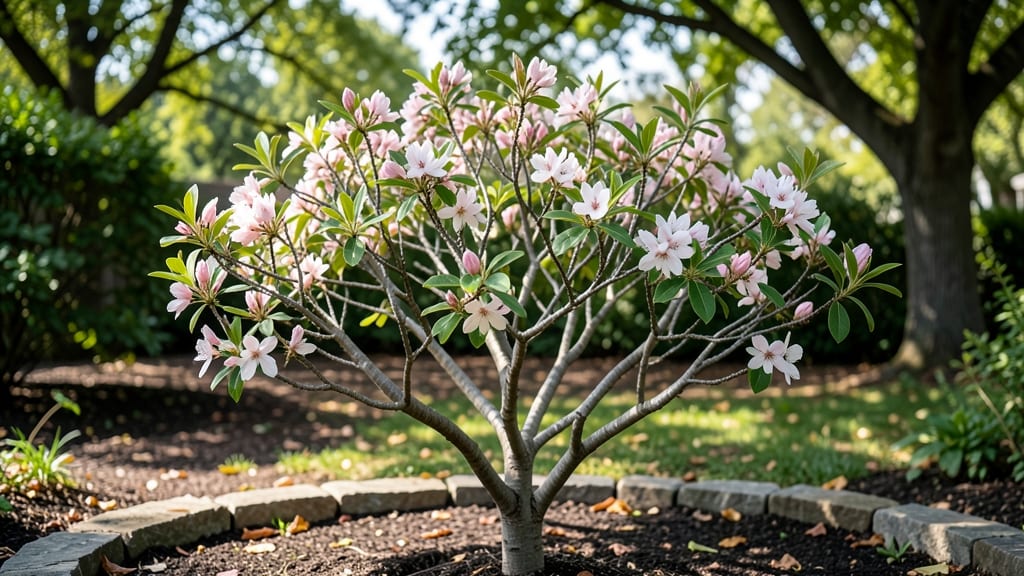
The flowering almond shrub (Prunus triloba) brings spring's sweetest scent to your garden without the fuss of roses. 🌸 I've grown mine for years, and the key to those showstopping pink blossoms and fragrant air lies in three simple pruning seasons—each one more rewarding than the last.
This shrub thrives in full sun with well-draining soil, and it's surprisingly low-maintenance once established. The real magic happens when you time your pruning: late winter for shape, early summer for blooms, and fall for cleanup. Most gardeners overlook the summer trim, which is when you encourage next year's flowers.
By following this rhythm, you'll end up with a shrub that blooms prolifically, has glossy foliage, and even puts on a stunning fall color show. The scent alone makes it worth the effort—imagine walking past and being hit with that almond fragrance in April.
Works beautifully as a standalone specimen, in mixed borders, or even as a small hedge. Here's how to keep yours thriving through all four seasons.
📚 In This Guide
- What you need
- Instructions
- Tips and common mistakes
- Wrapping up and next steps
What you need
- ● Flowering almond shrub: 1–3 plants (nursery-grown for faster blooms, or seeds for a DIY challenge)
- ● Prunus triloba (most common variety; ensure it’s disease-resistant)
- ● Soil: Well-draining, slightly acidic to neutral (pH 6.0–7.0). Mix in 1 part compost to 2 parts native soil.
- ● Sunlight: Full sun (6+ hours/day) or partial shade (4–6 hours) in hot climates.
- ● Watering supplies: Garden hose with adjustable nozzle (or drip irrigation system for efficiency)
- ● Watering can (5-gallon capacity for seedlings)
- ● Fertilizer: Balanced 10-10-10 granular fertilizer (1 lb per shrub, spring/fall)
- ● Organic option: Fish emulsion or compost tea (every 4–6 weeks)
- ● Pruning tools: Bypass pruners (for clean cuts on stems up to ½ inch thick)
- ● Loppers (for thicker branches, up to 1.5 inches)
- ● Hand saw (for stubborn branches, 10–12 inches long)
- ● Disinfectant (rubbing alcohol or 10% bleach solution to sterilize tools)
- ● Mulch: 2–3 inches of wood chips or pine straw to retain moisture and suppress weeds.
- ● Pest control: Neem oil spray (for aphids or scale) or horticultural oil.
- ● Support stakes: 3–4 ft bamboo stakes + soft ties (if planting in windy areas).
- ● Garden gloves: Heavy-duty (to protect from thorns during pruning!).
- ● Seasonal blooms hack: Epsom salt (1 tbsp per gallon of water, applied monthly in spring for vibrant flowers!).
Step-by-Step instructions for reviving your flowering almond shrub
Here's the straightforward method I've used to bring back fragrant blooms year after year.
🌱 Step 1: Assess and Clean Up Winter Damage
Start by examining your shrub's branches for any dead or damaged wood. The flowering almond thrives when you remove only what's truly compromised—healthy branches will still produce those signature pink blossoms next season. Use sharp pruning shears to cut just above a leaf bud or outward-facing growth point, making clean cuts at a 45-degree angle.
Look for branches that are completely brown, hollow, or show no signs of green growth when scratched. These should be removed entirely at the base. I usually do this in late winter or early spring before new growth begins. Don't worry about making your shrub look perfect right away—the goal is to remove only what's necessary for airflow and light penetration.
☀️ Step 2: Prune for Airflow and Light Penetration
Flowering almonds bloom best when they receive plenty of sunlight and air circulation. Step back and look at your shrub's overall shape—you'll want to create an open, vase-like form. Remove any crossing branches that rub together, as these create wounds where diseases can enter. Cut these back to their point of origin or to an outward-facing bud.
Next, thin out any overly dense areas by removing about one-third of the oldest stems at ground level. This encourages new growth from the base while maintaining the shrub's natural shape. Watch for where sunlight struggles to reach the center—the inner branches should get at least 4-6 hours of morning sun for optimal blooming. If you see leggy growth reaching outward, prune those back by about one-third to encourage bushier growth.
✂️ Step 3: Shape and Encourage Spring Blooms
After thinning, focus on shaping your shrub to maintain its natural form. Flowering almonds bloom on both old and new wood, so you don't need to be overly aggressive with pruning. Instead, make small adjustments to create a balanced silhouette. Cut back any overly long branches by about one-third, making your cuts just above a leaf bud that faces outward.
This is also the time to remove any flower spikes that appeared the previous year but didn't bloom well. Cut these back to their base to redirect the plant's energy into producing fresh, vibrant blooms next season. You'll know you're doing it right when you see fresh green growth emerging from the pruned areas within 2-3 weeks. This new growth is where next year's flowers will form.
💧 Step 4: Post-Pruning Care for Strong Recovery
After pruning, give your flowering almond a thorough watering to help it recover. Water deeply, soaking the root zone to a depth of about 12 inches. This encourages deep root growth, which supports better blooming. Avoid overwatering, though—you want the soil to be moist but not soggy. A good rule of thumb is to water when the top 2 inches of soil feel dry to the touch.
Apply a balanced, slow-release fertilizer around the base of the shrub to provide essential nutrients for new growth. I like to use a 10-10-10 formula in early spring, following the package instructions for application rates. Mulch the base with 2-3 inches of organic mulch, like wood chips or shredded bark, to retain moisture and regulate soil temperature. Keep the mulch 3-4 inches away from the trunk to prevent rot.
Tips & tricks for perfect flowering almond shrub revival
Here's what nobody tells you about transforming your flowering almond into a blooming beauty—without the guesswork.
Pruning Angle Matters: That 45-degree angle in Step 1 isn't just for looks—it prevents water from pooling in the cut, which reduces rot. I've seen cuts made at 90 degrees develop fungal issues within weeks. Use a sharp pair of pruners and make clean cuts just above a leaf bud facing outward. This simple detail keeps your shrub healthier for years.
Timing is Everything: The 4-6 hours of morning sun mentioned in Step 2 is critical for blooming. If your shrub isn't getting enough, consider moving it to a sunnier spot or pruning surrounding trees/shurbs that might be shading it. I've noticed my almonds bloom twice as well when they get that direct morning sunlight—it kickstarts their growth cycle.
New Growth Check: After pruning, watch for fresh green growth emerging within 2-3 weeks as mentioned in Step 3. This is your confirmation that the shrub is recovering well. If you don't see new growth after 3 weeks, it might be time to check your soil's moisture level or consider a light application of fertilizer to give it a boost.
Watering Wisdom: The deep watering in Step 4 should soak the soil to 12 inches—this encourages deep root growth. I use a soil probe to check moisture levels at that depth. If it's dry, water again. Overwatering is just as bad as underwatering, so always let the top 2 inches of soil dry out between waterings. This balance is key to preventing root rot while keeping your shrub hydrated.
Pro Tips for Flowering Almond Shrub
- Here's what nobody tells you about transforming your flowering almond into a blooming beauty—without the guesswork.
- Pruning Angle Matters: That 45-degree angle in Step 1 isn't just for looks—it prevents water from pooling in the cut, which reduces rot.
- Timing is Everything: The 4-6 hours of morning sun mentioned in Step 2 is critical for blooming.
Frequently asked questions
Got questions about your flowering almond shrub? You’re not alone! Here are answers to the most common concerns—from pruning to pests and everything in between.
When is the best time to prune my flowering almond shrub?
The ideal time is late winter or early spring, just before new growth begins. This ensures you trim dormant branches while preserving next year’s blooms. Avoid pruning after flowering—you’ll risk cutting off next season’s buds!
Why aren’t my flowering almond shrubs blooming?
Blooms may skip a year if the shrub is over-pruned, underwatered, or nutrient-deficient. Check for:
- Sufficient sunlight (6+ hours daily)
- Well-draining soil (amend with compost if heavy)
- Balanced fertilizer (low-nitrogen, high-phosphorus in early spring)
How do I protect my flowering almond from pests like aphids or borers?
Start with preventative care:
- Inspect leaves regularly for sticky residue (aphids) or sawdust-like frass (borers).
- Spray with neem oil or insecticidal soap at the first sign of trouble.
- Encourage natural predators like ladybugs by planting companion flowers (e.g., marigolds).
Can I grow a flowering almond shrub in a container? Yes—but with caveats!
Containers work for smaller varieties (like ‘Springtime’), but ensure:
- A 15–20 gallon pot with drainage holes.
- Fast-draining soil mix (add perlite or sand).
- Winter protection (move indoors or wrap the pot in burlap).
What’s a good alternative if my climate is too cold for flowering almonds?
Try these fragrant, cold-hardy shrubs:
Shrub
USDA Zone
Bloom Time
Forsythia
3–8
Early spring (yellow)
Weigela
4–8
Late spring (pink/purple)
Dwarf Lilac
3–7
Late spring (purple/white)
Wrapping up and next steps
Transforming your garden with a flowering almond shrub is a rewarding journey—one that brings bursts of color, intoxicating fragrance, and lasting beauty to your outdoor space! 🌸 With the right care, especially strategic pruning in spring, summer, and fall, you’ll enjoy vibrant blooms year after year.
Whether you’re a seasoned gardener or just starting, this fragrant shrub is a fantastic addition that pays off with minimal effort and maximum impact.
Ready to elevate your garden? Grab your pruning shears and start planning your next steps! 🌱 Consider sharing your progress with fellow plant enthusiasts or exploring companion plants to create an even more stunning landscape. Happy gardening!