
Shrubs
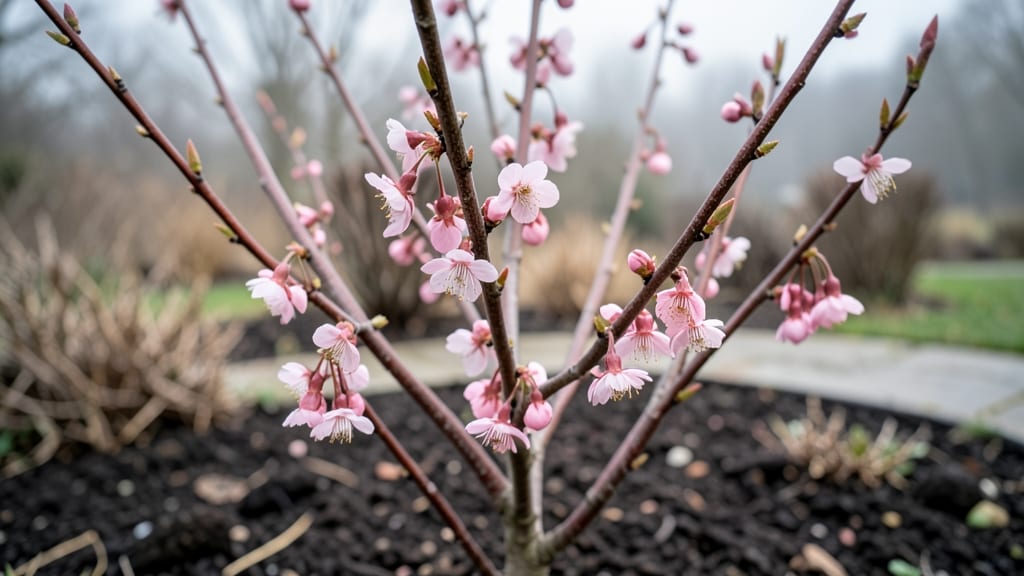
The pink flowering almond shrub (Prunus triloba) transforms any landscape with its dramatic pink blossoms and silvery foliage—no fuss required. ✨ I fell for this shrub the first time I saw it in full bloom, and now it’s the star of my low-water garden, effortlessly blending structure with soft color.
This drought-resistant beauty thrives in full sun, making it perfect for hot, dry climates where other plants struggle. Its spring flowers draw pollinators, while its peeling bark in winter adds texture. Pair it with lavender for a Mediterranean vibe or alongside ornamental grasses for a modern look.
You’ll love how it shapes naturally into a small tree or wide shrub, depending on how you prune. A single specimen makes a bold focal point, while a row creates a romantic, low-maintenance border that blooms for weeks.
Works equally well in formal gardens, cottage-style beds, or even as a street tree. Here’s how to style it for maximum impact!
📚 In This Guide
- What you need
- Instructions
- Tips and common mistakes
- Wrapping up and next steps
What you need
- ● Pink flowering almond shrub: 1–3 bare-root plants (fall planting) or container-grown saplings (spring/fall)
- ● Seeds (if starting from scratch—germination can take 30+ days)
- ● Well-draining soil: Mix 1 part native soil + 1 part compost + 1 part coarse sand/perlite (for rocky or clay-heavy areas).
- ● Sunlight: Full sun (6+ hours daily) or partial shade (3–6 hours) in hot climates.
- ● Water: Drip irrigation or soaker hose (avoid overhead sprinklers to prevent fungal issues).
- ● Hand trowel or transplant spade (for digging)
- ● Garden gloves (to protect from thorns)
- ● Pruning shears (sterilized with rubbing alcohol)
- ● Mulch: 2–3 inches of wood chips or gravel (to retain moisture and suppress weeds)
- ○ Optional: Slow-release fertilizer (10-10-10, 1 tbsp per plant at planting)
- ● Epsom salt (1 tsp in water, monthly during blooming season for pink intensity)
- ● Bird netting (if squirrels or birds snack on flowers/seeds)
- ● USDA Hardiness Zones: 4–9 (check your zone here)
- ● Drought tolerance: Once established, needs water every 2–3 weeks (except extreme heat).
- ● Spacing: 6–8 feet apart (allows airflow and reduces disease risk).
- ● Soil pH: Slightly acidic to neutral (6.0–7.0) (test with a soil pH kit).
Step-by-step guide to planting and caring for pink flowering almond shrubs
Here's how to establish these stunning, low-maintenance shrubs that thrive with minimal fuss.
🌱 Step 1: Choose the Perfect Planting Location
Pink flowering almond shrubs (Prunus triloba) demand full sun—at least 6-8 hours of direct sunlight daily—to produce their showy spring blooms. I always select a spot with south or west exposure where the shrubs won't be shaded by trees or structures. The soil should drain quickly since these plants despise soggy roots.
Dig a hole twice as wide as the root ball but only as deep—planting too deep suffocates the roots. Loosen the sides of the hole with your hands or a trowel to encourage root spread. If your soil is heavy clay, amend it with 2-3 inches of compost mixed into the bottom of the hole to improve drainage.
🪴 Step 2: Plant with Proper Spacing and Support
Space your shrubs 10-15 feet apart to allow for mature growth while maintaining airflow between plants. This prevents fungal diseases that thrive in crowded, humid conditions. Remove the plant from its container and gently tease the roots outward if they're circling—this encourages them to establish quickly in their new home.
Place the shrub in the hole so the top of the root ball sits 1-2 inches above ground level. This prevents water from pooling around the stem during irrigation. Backfill with native soil, tamping lightly every 2-3 inches to eliminate air pockets. Water deeply immediately after planting to settle the soil and eliminate gaps.
☀️ Step 3: Water Deeply and Mulch for Retention
Water the newly planted shrub deeply once a week during the first growing season, providing 1-2 gallons per plant. The goal is to encourage deep root growth rather than shallow, thirsty roots. You'll know you're doing it right when the soil feels moist 6 inches below the surface—stick your finger in to check.
Apply a 3-inch layer of mulch around the base, keeping it 6 inches away from the trunk to prevent rot. I use wood chips or bark because they break down slowly and improve soil structure over time. Mulch conserves moisture, regulates soil temperature, and suppresses weeds—critical for drought-tolerant plants like these.
✂️ Step 4: Prune Strategically for Shape and Health
Prune your pink flowering almond shrubs immediately after flowering to maintain their natural shape and encourage next year's blooms. Remove any dead, diseased, or crossing branches first—these compete with healthy growth for resources. Then, trim back any overlong branches by one-third to open the center for better airflow.
Use clean, sharp pruners to make cuts at a 45-degree angle just above an outward-facing bud. Avoid heavy pruning in late summer or fall—this stimulates new growth that won't harden off before winter. If you notice leggy growth, it's a sign of insufficient light rather than overpruning, so relocate the shrub if possible.
🌿 Step 5: Maintain Through Seasons with Minimal Effort
Once established, pink flowering almond shrubs require almost no watering—their deep roots make them incredibly drought-resistant. I only water during prolonged dry spells (30+ days without rain) when the soil feels bone-dry 12 inches down. Overwatering is the fastest way to kill these tough plants, so resist the urge to pamper them.
Fertilize lightly once in early spring with a balanced, slow-release fertilizer (10-10-10) applied at half-strength. These shrubs thrive in lean soil and don't need regular feeding. Watch for aphids or spider mites on new growth—spray with neem oil if you spot these pests, but healthy plants rarely suffer serious damage.
Tips & tricks for perfect pink flowering almond shrubs
These simple yet powerful strategies will help you establish thriving pink flowering almond shrubs with minimal effort—and avoid the most common pitfalls that sabotage new plantings.
Location Intelligence: Before digging, scout your yard during the day to confirm the chosen spot receives the full 6-8 hours of sunlight these shrubs demand. Morning sun (east exposure) alone won't cut it—you need that intense afternoon sun (west exposure) to trigger those vibrant pink blooms. I've seen too many gardeners assume partial shade would work, only to end up with sparse flowering. Trust me, these shrubs will tell you when they're happy with their new home.
Root Ball Rescue: When removing your shrub from its container, gently squeeze the root ball to detect any circling roots—these are the silent killers of new plantings. If you find them, use your fingers to carefully tease them outward before planting. This simple 30-second step prevents root girdling that could strangle your shrub's growth for years. Think of it as giving your plant a fresh start before it even hits the ground.
Mulch Mastery: The 3-inch layer of wood chips or bark isn't just for looks—it's your moisture insurance policy. Apply it immediately after planting to lock in that first critical week's water while protecting the tender stem from temperature swings. Pro tip: Refresh the mulch annually in early spring to maintain its insulating properties. I've seen gardeners skip this step only to watch their newly planted shrubs struggle through heatwaves they could have survived with proper mulch protection.
Pruning Precision: That one-third trim after flowering isn't arbitrary—it's the sweet spot that maintains shape while stimulating next year's blooms. Always make your cuts at a 45-degree angle just above an outward-facing bud. This technique ensures new growth emerges in the right direction, creating that perfect rounded shape. I can't tell you how many times I've seen gardeners make flat cuts that leave ugly stubs and invite disease.
Pro Tips for Pink Flowering Almond Shrub
- These simple yet powerful strategies will help you establish thriving pink flowering almond shrubs with minimal effor...
- Location Intelligence: Before digging, scout your yard during the day to confirm the chosen spot receives the full 6-...
- Root Ball Rescue: When removing your shrub from its container, gently squeeze the root ball to detect any circling ro...
Frequently asked questions
Got questions about your pink flowering almond shrub? You’re not alone! Here are some of the most common queries—plus straightforward answers to help you keep your drought-resistant beauty thriving.
How fast does a pink flowering almond shrub grow?
The Prunus glandulosa typically grows 1–2 feet per year, reaching maturity (6–10 feet tall) in about 5–7 years. In ideal conditions—well-draining soil and full sun—growth may accelerate slightly. Patience is key, but its stunning spring blooms make the wait worthwhile!
Can I prune it after flowering?
Yes, but lightly! Prune after flowering (late spring) to shape the shrub or remove dead branches. Avoid heavy pruning—this shrub blooms on old wood, so aggressive cuts may reduce next year’s flowers. Use clean, sharp shears for the best results.
Is it cold-hardy? What zones does it tolerate?
Pink flowering almond thrives in USDA zones 4–9, handling winter temps down to -20°F with ease. In colder zones, mulch around the base to protect roots. Its resilience makes it perfect for low-maintenance landscapes, even in harsh climates.
Are the flowers toxic to bees or pets?
The blooms are non-toxic to bees and safe for pollinators, making them a great addition to wildlife-friendly gardens. However, the seeds and leaves contain cyanogenic glycosides, which can be harmful if ingested in large quantities by pets. Keep an eye on curious pups or livestock!
How drought-tolerant is it really?
Once established (after 1–2 years), this shrub is highly drought-resistant and thrives with minimal watering (about 1 inch per week). Water deeply but infrequently to encourage deep root growth. In extreme drought, occasional deep watering keeps it healthy without overdoing it.
What if my shrub isn’t flowering?
Check these common culprits:
- Age: Young shrubs (under 3 years) may not bloom yet.
- Sunlight: Needs 6+ hours of full sun daily.
- Soil: Poor drainage or overly rich soil can suppress blooms.
- Pruning: Avoid heavy cuts—blooms form on old wood.
If the issue persists, fertilize lightly in early spring with a balanced, low-nitrogen formula.
Wrapping up and next steps
The pink flowering almond shrub is a standout choice for transforming your landscape with minimal effort—its vibrant blooms, drought tolerance, and low-maintenance nature make it a dream for busy gardeners.
Whether you’re a seasoned plant enthusiast or a beginner, this shrub delivers year-round charm with its fragrant flowers and silvery foliage.
Ready to elevate your outdoor space? Start by selecting the perfect spot in your garden, gather your supplies, and plant with confidence—your future blooms will thank you! 🌸💖