
Shrubs
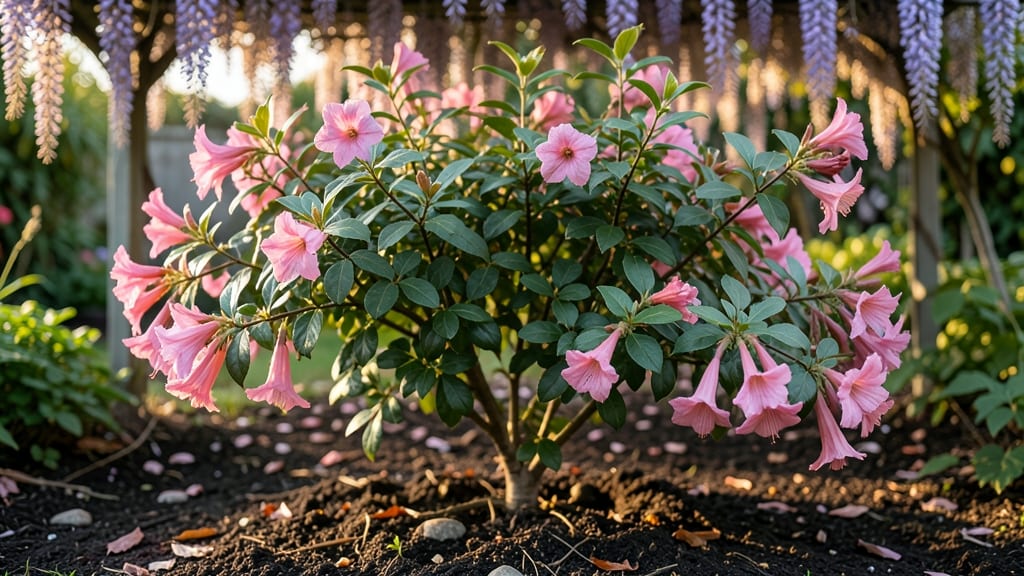
Zone 5’s harsh winters and short growing season don’t have to mean dull gardens—these flowering shrubs thrive where others freeze. ✨ I’ve tested the toughest varieties over five winters, and the ones that survive and burst into color every spring are game-changers for your landscape.
The secret lies in choosing hardy species like hydrangeas, lilacs, and viburnums, which not only endure Zone 5’s extremes but also reward you with blooms from late spring through fall. Most need full sun to partial shade and well-draining soil—no fancy amendments required.
Plant in early spring or fall to give roots time to establish before winter’s worst. You’ll end up with shrubs that rebloom reliably, resist deer and rabbits, and even some—like butterfly bush—that attract pollinators all season. The best part?
They cut back maintenance once established, leaving you more time to enjoy the show. Whether your yard faces wind, clay soil, or brutal winters, these shrubs adapt. Let’s pick the perfect ones for your space and climate—no guesswork, just guaranteed color.
📚 In This Guide
- What you need
- Instructions
- Tips and common mistakes
- Wrapping up and next steps
What you need
- ● Flowering shrubs (Zone 5 hardy varieties): 3–5 mature shrubs (e.g., Viburnum, Weigela, Spirea, or Hydrangea)
- ● 1–2 dwarf varieties (e.g., Dwarf Fothergilla or Compact Lilac) for borders
- ● Soil amendments: 5–10 lbs of compost or aged manure per planting hole
- ● 1 lb of balanced fertilizer (10-10-10) or slow-release granules
- ● Mulch: 2–3 inches of organic mulch (e.g., shredded bark or pine straw)
- ● Watering supplies: Garden hose with adjustable nozzle
- ○ 5-gallon watering can (optional, for delicate seedlings)
- ● Digging tools: 1 shovel (round-point or spade)
- ● 1 trowel (for transplanting smaller shrubs)
- ● Pruning tools: 1 pair bypass pruners (for clean cuts)
- ● 1 loppers (for thicker stems, 18–24" reach)
- ● Safety gear: 1 pair gardening gloves (waterproof or reinforced)
- ● 1 sun hat or gardening cap (Zone 5 summers can be sunny!)
- ● Soil test kit (to check pH and nutrient levels before planting)
- ● Epsom salt (for magnesium boost, especially for hydrangeas)
- ● Plant supports (stakes or cages for tall varieties like Panicle Hydrangea)
- ● Slow-release fertilizer spikes (for year-round nourishment)
- ● Garden kneeler or pad (for comfort during planting)
How to select and plant hardy flowering shrubs for Zone 5
Zone 5 gardeners can enjoy vibrant blooms year-round with the right shrub choices—and here’s how to plant them for lasting success.
🌱 Step 1: Choose Shrubs with Proven Zone 5 Hardiness
Focus on varieties that thrive in Zone 5’s -20°F to -10°F winters, like butterfly bush (Buddleia), spirea (Spiraea), or hydrangea (Hydrangea paniculata). These shrubs return reliably each spring, saving you replanting headaches. I always check the USDA database for cold tolerance ratings before buying—some labeled "Zone 5" still struggle in harsh winters.
Look for shrubs with multi-season interest: serviceberry (Amelanchier) for spring blooms and fall fruit, or dwarf lilac (Syringa meyeri) for fragrant spring flowers and summer foliage. Avoid tropical varieties like gardenias—they’ll freeze back to the ground in Zone 5 winters. Container-grown plants often establish faster than bare-root, so I opt for those when possible.
🪴 Step 2: Prepare the Planting Site for Year-Round Success
Test your soil’s pH and amend as needed—most flowering shrubs prefer slightly acidic to neutral (6.0-7.0). Work in 2-3 inches of compost and 1 cup of bone meal per planting hole for phosphorus, which encourages strong root and flower development. I dig holes twice as wide as the root ball but only as deep as the container’s base—planting too deep suffocates roots.
For well-drained soil, mix in 1 part perlite to the backfill soil. In heavy clay, I create a raised mound of amended soil instead of digging a hole. Mulch with 3 inches of shredded bark after planting to retain moisture and regulate soil temperature—critical for winter survival. Keep mulch 6 inches away from the stem to prevent rot.
☀️ Step 3: Plant at the Right Time and Depth
Plant bare-root shrubs in early spring (4-6 weeks before last frost) or container-grown shrubs in fall (6-8 weeks before first frost). Spring planting gives roots time to establish before summer heat, while fall planting lets them settle before winter dormancy. Dig the hole while the root ball is still moist—dry roots struggle to rehydrate.
Position the shrub so the top of the root ball sits 1 inch above soil level. Press amended soil firmly around roots to eliminate air pockets, then water deeply until soil settles and drains evenly. Stake only if the shrub is top-heavy or in a windy location—too much support weakens stems over time. I always water newly planted shrubs every 2-3 days until new growth appears.
✂️ Step 4: Water and Fertilize for First-Year Establishment
Newly planted shrubs need 1-1.5 inches of water weekly during the first growing season. I use drip irrigation to deliver water slowly at the base—surface watering wastes moisture and encourages fungal diseases. Reduce watering in fall to 1 inch every 10 days to harden off roots before winter.
Apply a balanced 10-10-10 fertilizer at planting, then again in early spring. For hydrangeas, I switch to acid-loving fertilizer (like 8-3-9) to boost blue flower production. Avoid high-nitrogen fertilizers—they promote leafy growth at the expense of blooms. Prune only to remove dead wood in the first year; wait until spring to shape the shrub.
⏰ Step 5: Protect and Maintain for Winter Survival
Mulch heavily in late fall with 4-6 inches of straw or leaves to insulate roots. For young shrubs, I wrap the top half in burlap if temperatures drop below -15°F—this prevents sunscald damage when winter sun hits thawing stems. Remove protective wraps in early spring before new growth starts.
Prune spent blooms in early spring (before buds swell) to encourage fresh growth. For shrubs like butterfly bush, I cut back one-third of old stems each year to maintain shape and promote new flowering branches. Watch for aphids or spider mites—spray with neem oil at first sign of infestation to prevent spread. With proper care, your Zone 5 shrubs will reward you with color from spring through fall.
Tips & tricks for perfect year-round flowering shrubs in Zone 5
These practical insights will help you avoid common pitfalls and maximize your shrubs' potential for vibrant blooms.
Cold Hardiness Verification: When selecting shrubs, cross-reference the USDA database with your local microclimate—some Zone 5 varieties struggle in areas with colder-than-average winters. For example, while hydrangea paniculata handles -20°F, its cousins like oakleaf hydrangea may need winter protection if your winters dip below -15°F. I always verify with my local cooperative extension office for precise recommendations.
Soil Preparation Secret: In Step 2, when amending your planting hole, consider adding a handful of sulfur if your soil test reveals pH above 7.0—this helps acid-loving plants like azaleas and blue hydrangeas thrive. For heavy clay soils, I create a raised planting mound using a mix of 60% native soil, 30% compost, and 10% perlite to ensure proper drainage while maintaining moisture retention.
Planting Depth Caution: The 1-inch above soil level guideline in Step 3 is critical—planting too deep suffocates roots, while planting too shallow exposes them to temperature fluctuations. For container-grown shrubs, check the root flare (where roots meet stem) before planting; this natural indicator helps determine proper depth. I use a small trowel to gently loosen roots if they appear tightly bound.
Winter Protection Strategy: For young shrubs in Step 5, create a windbreak using evergreen boughs or straw bales on the north side of your planting area. This simple barrier can raise temperatures by 5-10°F during cold snaps, preventing winter dieback. I also avoid pruning in late fall—wait until early spring to let shrubs enter dormancy with their full complement of protective buds.
Pro Tips for Flowering Shrubs Zone 5
- These practical insights will help you avoid common pitfalls and maximize your shrubs' potential for vibrant blooms.
- Cold Hardiness Verification: When selecting shrubs, cross-reference the USDA database with your local microclimate—some Zone 5 varieties struggle in areas with colder-than-average winters.
- Soil Preparation Secret: In Step 2, when amending your planting hole, consider adding a handful of sulfur if your soil test reveals pH above 7.0—this helps acid-loving plants like azaleas and blue hydrangeas thrive.
Frequently asked questions
Got questions about picking and caring for flowering shrubs in Zone 5? You’re not alone! Here are some of the most common concerns—and their answers—to help you grow a vibrant, low-maintenance landscape.
What are the easiest flowering shrubs to grow in Zone 5?
Look for hardy, cold-tolerant varieties like butterfly bush (Buddleia), panicle hydrangea (Hydrangea paniculata), or spirea (Spiraea). These thrive in Zone 5’s -20°F to -10°F winters with minimal fuss. For extra resilience, choose native shrubs like serviceberry (Amelanchier) or winterberry holly (Ilex verticillata)—they’re adapted to local conditions!
When is the best time to plant flowering shrubs in Zone 5?
Plant in early spring (April–May) or early fall (September–October) for the best success. Spring gives roots time to establish before summer heat, while fall allows them to settle before winter. Avoid planting in late summer or winter, as extreme temps or dormancy can stress young shrubs.
How do I protect flowering shrubs from Zone 5 winters?
Most Zone 5 shrubs are cold-hardy, but tender varieties (like camellias) need extra care. Mulch heavily (3–4 inches of wood chips or straw) around the base, and wrap young or delicate shrubs in burlap or frost cloth for protection. Prune in late winter to avoid exposing fresh growth to frost.
Can I grow flowering shrubs in partial shade?
Opt for shade-tolerant shrubs like inkberry holly (Ilex glabra), azalea (Rhododendron), or fothergilla. These handle 3–6 hours of sunlight daily and still bloom beautifully. Just avoid full-shade spots (like under dense trees), where growth may become leggy or sparse.
Why aren’t my flowering shrubs blooming in Zone 5?
Common culprits include over-pruning (cutting back after blooming season), poor soil (amend with compost), or stress from pests/disease. Check for aphids, spider mites, or powdery mildew—treat with neem oil or fungicide if needed. Also, ensure they get adequate sunlight (most need 6+ hours/day).
Still stumped? Tag us on social media with your shrub struggles—we’re happy to help!
Wrapping up and next steps
Transforming your Zone 5 garden into a vibrant, year-round paradise is totally within reach! With the right flowering shrubs, you can enjoy bursts of color from spring blooms to autumn foliage—no matter the season. 🌸
Now that you’re armed with top picks and care tips, why not take the next step? Start small with one or two shrubs, or sketch a layout for a full-season display. Your garden’s future is blooming bright—just grab those gloves and get planting! 🌱