
Shrubs
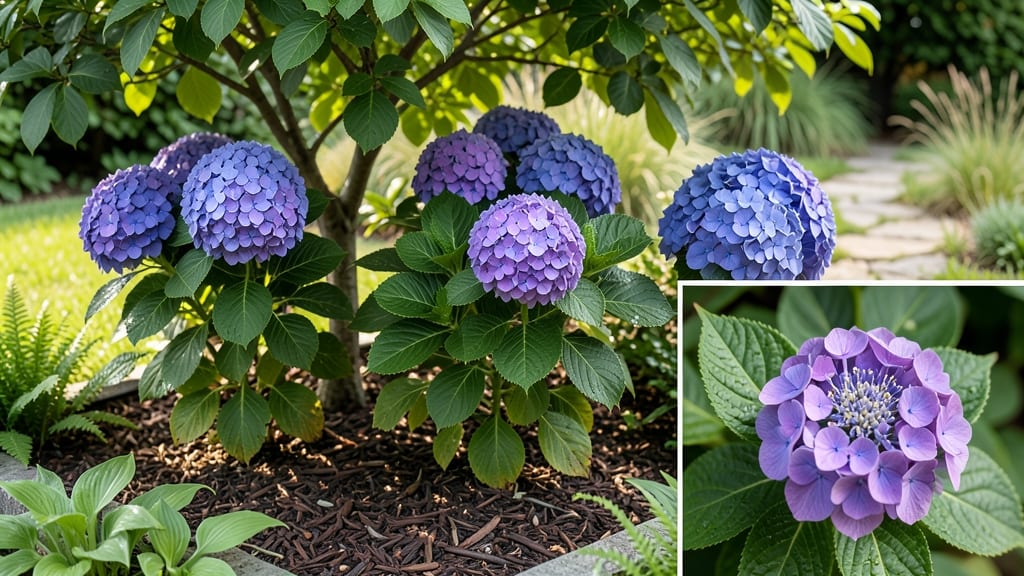
Flowering shrubs in Zone 6 transform your yard from forgettable to showstopping—without the fuss of constant pruning or high-maintenance care. 🌸 I’ve planted everything from hydrangeas to lilacs, and the right choices here mean blooms from spring through fall with minimal upkeep.
The secret lies in matching plants to your soil, sunlight, and winter conditions—something I learned after my first azalea froze solid one February. Zone 6’s hot summers and cold winters demand shrubs that handle both extremes.
Hydrangeas thrive in morning sun, lilacs need well-draining soil, and rhododendrons beg for acidic, mulched beds. Prune at the right time (late winter for most), and you’ll avoid the leggy, sparse growth that frustrates so many gardeners.
My ‘Annabelle’ hydrangea now spills over the deck every July, while the lilacs perfume the air in May—no deadheading, no fuss. By late summer, you’ll be harvesting cut flowers that last weeks in vases, and the foliage stays vibrant even after blooms fade.
The key is layering shrubs by height and bloom time—tall hydrangeas in back, compact abelia in front, with fragrant mock orange tucked along fences. Winter protection is simple: a thick layer of mulch and a burlap wrap for young plants.
Works for sunny borders, shady corners, or foundation plantings—just pick the right shrub for the spot. Let’s get your yard blooming effortlessly.
📚 In This Guide
- What you need
- Instructions
- Tips and common mistakes
- Wrapping up and next steps
What you need
- ● Flowering shrubs (Zone 6-hardy varieties): 3–5 mature shrubs (e.g., Hydrangea macrophylla, Weigela florida, or Spiraea japonica)
- ● 10–15 young plants (for faster establishment)
- ● High-quality potting soil or native compost: 2–3 cubic yards (for planting beds)
- ● Organic mulch (pine bark or shredded leaves): 1–2 bags (for moisture retention)
- ● Slow-release fertilizer (10-10-10 or balanced formula): 1–2 lbs per shrub
- ○ Mulch rings (optional but recommended): 3–5 (to keep mulch in place)
- ● Garden trowel or spade: 1 (for digging holes)
- ● Pruning shears (bypass, sharp blades): 1 pair (for shaping and maintenance)
- ● Garden gloves (heavy-duty): 1 pair (protection from thorns/soil)
- ● Watering can or hose with adjustable nozzle: 1 (for gentle watering)
- ● Measuring tape: 1 (to space plants 3–6 ft apart)
- ○ Garden fork (optional): 1 (for loosening compacted soil)
- ● Sunlight assessment: Identify areas with full sun (6+ hrs/day) or partial shade (3–6 hrs).
- ○ Soil test kit (optional but helpful): Check pH (ideal: 5.5–6.5 for most shrubs).
- ● Local nursery visit: Pick hardy Zone 6 varieties (ask staff for recommendations!).
- ● Water source nearby: Ensure easy access for post-planting care.
How to select and plant flowering shrubs for year-round beauty in Zone 6
Zone 6 gardeners know the secret to stunning landscapes: the right flowering shrubs that thrive through all seasons with minimal fuss.
🌱 Step 1: Choose Shrubs for Seasonal Interest
Start with shrubs that offer year-round appeal, like hydrangeas for summer blooms and winterberry holly for seasonal color. I always pick varieties with multi-season foliage—think purple smoke bush for spring blooms, sumac for fiery fall foliage, and inkberry holly for evergreen structure. Zone 6’s hot summers and cold winters demand shrubs with cold hardiness (USDA Zone 6 rated) and heat tolerance.
Consider bloom time diversity: Plant early spring bloomers like forsythia alongside late summer favorites like butterfly bush. This ensures continuous color from March through October. I also prioritize native species—they require less water and fewer pesticides. Check local nurseries for Zone 6-specific tags before purchasing.
🪴 Step 2: Prepare Planting Sites with Proper Drainage
Flowering shrubs hate soggy roots, so test soil drainage before planting. Dig a hole twice as wide as the root ball but only as deep as the container’s base. Amend heavy clay soil with 2-3 inches of compost mixed into the bottom of the hole—this improves aeration and drainage. Zone 6’s clay-heavy soils often need this adjustment to prevent root rot.
Space shrubs according to their mature width (check plant tags). Crowding leads to poor air circulation, inviting fungal diseases. I like to plant 3 feet apart for medium-sized shrubs like panicle hydrangeas and 5-6 feet apart for large varieties like oakleaf hydrangeas. A sun-to-shade ratio of 60% sun works best for most flowering shrubs in Zone 6.
☀️ Step 3: Plant and Mulch for Winter Protection
Remove the shrub from its container and loosen roots if they’re circling. Place it in the hole so the top of the root ball sits level with the soil surface—burying too deep suffocates the plant. Backfill with native soil (no amendments here) and water deeply to settle it. A 3-inch layer of mulch (wood chips or shredded bark) around the base helps retain moisture and insulates roots during Zone 6’s freezing winters.
Keep mulch 2 inches away from the stem to prevent rot. Water once a week for the first month, then every 10-14 days once established. Overwatering in Zone 6’s humid summers is a common mistake—shrubs need moderate moisture, not soggy soil. You’ll know it’s right when the soil feels damp but not wet 2 inches below the surface.
✂️ Step 4: Prune Strategically for Seasonal Blooms
Prune spring bloomers (like lilacs) right after flowering to avoid cutting off next year’s buds. For summer/fall bloomers (like hydrangeas), prune in late winter or early spring before new growth starts. I use clean, sharp pruners and make cuts at a 45-degree angle just above a leaf node. Remove dead, diseased, or crossing branches first—this improves airflow and shape.
Zone 6’s harsh winters can damage tender shrubs, so I lightly trim back any frost-damaged growth in early spring. Never prune more than one-third of the plant in a single season—this stresses shrubs and reduces flowering. Watch for new growth in spring; healthy shrubs will show bright green leaves within 2-3 weeks of pruning.
🌿 Step 5: Fertilize and Monitor for Pests
Apply a balanced, slow-release fertilizer (10-10-10) in early spring to encourage blooming. I skip fall fertilization—Zone 6’s cool weather slows root growth, and late feeding can lead to weak, tender new growth that won’t survive winter. Instead, top-dress with compost in spring for organic nutrients. Over-fertilizing causes leafy growth at the expense of flowers—a common mistake with eager gardeners.
Keep an eye out for aphids, spider mites, or scale—they love flowering shrubs. I treat infestations with neem oil (mix 1 tbsp per gallon of water) and hose off pests in the morning when they’re sluggish. Healthy shrubs in Zone 6 rarely need pesticides if planted in well-draining soil and spaced properly. A strong, established shrub will bounce back quickly from minor pest pressure.
Tips & tricks for year-round flowering shrubs in Zone 6
Here's what nobody tells you about keeping your shrubs thriving through all four seasons without the guesswork.
Seasonal Layering: For continuous color, I plant in three distinct layers: tall shrubs (like oakleaf hydrangeas) at the back, medium-height (such as panicle hydrangeas) in the middle, and ground covers (like creeping phlox) at the front. This creates visual depth while ensuring each layer gets proper sunlight. Zone 6's variable light conditions make layering especially important—morning sun on the front row can scorch tender foliage if not spaced correctly.
Soil Test First: Before amending that hole with compost, grab a simple soil test kit from your local extension office. Zone 6's clay soils often test 6.0-6.5 pH—neutral to slightly acidic. If your test shows below 6.0, add lime to the bottom of the hole (about 1/2 cup per shrub) before planting. Acid-loving shrubs like hydrangeas will reward you with vibrant blooms when the pH is just right.
Winter Protection Hack: For newly planted shrubs in their first winter, I wrap the base with burlap and secure it with twine, creating a loose cylinder that extends 12 inches up the stem. This protects tender bark from voles and freezing winds while allowing airflow to prevent rot. Remove it in early spring once new growth appears—usually around March in Zone 6.
Pruning Timing: The 2-3 week window after pruning is critical for spring bloomers. If you prune lilacs too early, you risk cutting off next year's flower buds that form on last year's growth. For summer bloomers like hydrangeas, mark the branches now—you'll want to cut back to the first set of five leaves from the base next winter. This visual cue prevents over-pruning mistakes.
Pro Tips for Flowering Shrubs Zone 6
- Here's what nobody tells you about keeping your shrubs thriving through all four seasons without the guesswork.
- This creates visual depth while ensuring each layer gets proper sunlight.
- Soil Test First: Before amending that hole with compost, grab a simple soil test kit from your local extension office.
Frequently asked questions
Got questions about flowering shrubs in Zone 6? You’re not alone!
Whether you’re a first-time gardener or a seasoned pro, these answers will help you pick, plant, and maintain stunning shrubs with ease. Let’s dive in!
What are the easiest flowering shrubs to grow in Zone 6 with minimal pruning?
Look for low-maintenance varieties like Butterfly Bush (Buddleia), Weigela, or Dwarf Fothergilla. These thrive in Zone 6 with minimal pruning—just trim back dead or overgrown branches in late winter or early spring. Bonus: They attract pollinators and add year-round interest!
When is the best time to plant flowering shrubs in Zone 6?
Plant in early spring (April–May) or early fall (September–October) for the best results. Avoid extreme heat or frost, which can stress young plants. Spring planting gives roots time to establish before winter, while fall planting lets them settle in before dormancy.
How do I protect flowering shrubs from Zone 6 winters?
Most Zone 6 flowering shrubs are hardy, but young or tender varieties (like Abelia) may need a light mulch around the base and winter protection (burlap wraps or frost cloth) for the first few years. Avoid heavy mulching—just 2–3 inches of organic matter (like shredded bark) is ideal.
Can I prune flowering shrubs in Zone 6 in summer? If so, when?
It depends! Spring-bloomers (like Lilac or Forsythia) should be pruned right after flowering to avoid cutting off next year’s buds. Summer-bloomers (like Hydrangea or Rose of Sharon) can be lightly pruned in early summer to shape them—just avoid heavy cuts that remove too many blooms.
Why aren’t my flowering shrubs blooming in Zone 6? Troubleshooting tips!
Check these common issues:
- Not enough sun: Most flowering shrubs need 6+ hours of sunlight daily.
- Over-fertilizing: Too much nitrogen = leafy growth, fewer flowers. Use a balanced bloom booster instead.
- Poor pruning: Pruning at the wrong time (like cutting back spring bloomers in fall) can delay or prevent flowers.
- Stress from transplant shock: Give new shrubs 1–2 years to establish before expecting full blooms.
If the problem persists, your shrub might need rejuvenation pruning—cut back up to ⅓ of the oldest stems to encourage new growth.
Wrapping up and next steps
Transforming your Zone 6 garden into a vibrant, low-maintenance oasis is easier than you think! 🌸 The right flowering shrubs—like hydrangeas, azaleas, and spirea—bring color, texture, and life with minimal pruning.
Whether you're a seasoned gardener or just starting, these hardy plants thrive in your climate, rewarding you with year-round beauty and peace of mind.
Ready to take the next step? Pick one or two shrubs that excite you, sketch a simple layout, and grab your pruners—your dream garden is just a few cuts away! 🌱