
Trees
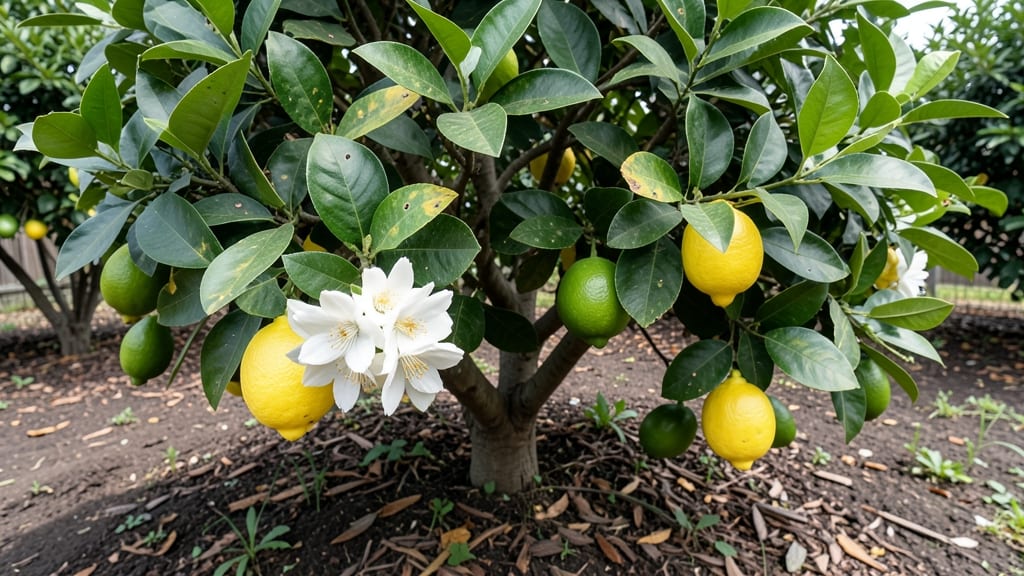
A fully grown lemon tree 🍋 can transform your backyard into a year-round citrus grove—but getting there takes strategy, not just time.
Imagine plucking fresh, juicy lemons straight from your tree, only to wonder why your three-year-old plant still hasn’t produced a single fruit. The truth? Most lemon trees need 3-5 years to mature, but with the right care, you can cut that timeline by half.
Whether you’re dealing with a Meyer lemon’s delicate blooms or an Eureka’s tougher skin, this guide covers the key steps to accelerate growth and ensure a bountiful harvest.
From soil secrets to pruning hacks, we’ll break down what fully grown lemon trees really need to thrive—no guesswork, just proven techniques. You’ll learn when to fertilize, how to spot pests before they strike, and the one pruning mistake that keeps your tree from fruiting.
Ready to turn that citrus dream into reality?
Let’s dive into the timeline, care tips, and common pitfalls that separate a struggling tree from a fruit-bearing powerhouse. Your first homegrown lemon is closer than you think!
How long until a lemon tree reaches full maturity and harvest?
Growing a lemon tree from seedling to a fruit-bearing giant is a rewarding journey, but it requires understanding the timeline and key milestones. On average, a lemon tree takes 3 to 5 years to reach full maturity and produce a meaningful harvest.
However, this timeline can vary widely based on the variety, climate, and care you provide. For example, a Meyer lemon tree might bear fruit in as little as 2 years, while a standard Eureka lemon could take up to 5 years.
Your lemon tree’s growth rate also depends on whether it’s potted or in-ground. Container-grown trees grow slower due to limited root space, while in-ground trees thrive with more room to expand.
Additionally, climate conditions play a huge role—trees in USDA Zones 9-11 mature faster than those in cooler Zones 6-8, where frost and shorter growing seasons can delay progress. Understanding these factors will help you set realistic expectations and plan your care routine accordingly.
| Stage | Time to Reach | Key Signs of Maturity | Average Height |
|---|---|---|---|
| Seedling | 0-6 months | First true leaves appear | 1-2 ft (potted) |
| Juvenile | 6-18 months | Trunk thickens; 3-5 ft tall | 3-5 ft (potted) |
| Early Flowering | 1.5-3 years | White flowers appear; may produce sterile fruit | 5-8 ft (potted) |
| Fully Mature | 3-5 years | Thick trunk; year-round flowering; harvest-ready fruit | 10-25 ft (standard) |
| Dwarf Variety | 2-4 years | Compact growth; earlier fruiting in containers | 6-10 ft |
The first visible signs of maturity appear when your lemon tree starts producing white, fragrant flowers. These flowers are a precursor to fruit, but don’t rush to harvest—it can take 6 to 12 months for those blooms to turn into ripe lemons.
Pay attention to the leaf size and trunk thickness; a mature lemon tree will have glossy, 3-5 inch long leaves and a trunk that’s at least 2-3 inches in diameter.
One of the most exciting stages is when your tree begins flowering consistently. This usually happens in the second or third year, but the first fruits may not be edible. These early lemons, called “button fruit”, are small, seedy, and often sterile.
However, once your tree reaches full maturity, you’ll see larger, juicier lemons that are ready for harvest. This transition can take an additional 1-2 years, depending on the variety and growing conditions.
If you’re growing a Meyer lemon tree, you might be lucky enough to harvest small, sweet lemons in as little as 2 years. Meyer lemons are known for their earlier fruiting and cold tolerance, making them ideal for gardeners in Zones 6-8.
In contrast, Eureka or Lisbon lemon trees are more traditional and may take 4-5 years to reach their full potential. Choosing the right variety for your climate can significantly impact your harvest timeline.
Climate plays a critical role in how quickly your lemon tree matures. Trees in warm, frost-free zones (9-11) grow year-round and can produce fruit twice a year. In cooler zones, like 6-8, growth slows in winter, and you may only see one harvest per year.
To speed up maturity in cooler climates, consider growing your lemon tree in a large container that you can move indoors during winter or protect with a greenhouse or frost cloth.
Another key factor is whether your lemon tree is bearing fruit or just flowering. Even if your tree is flowering, it may not produce edible lemons until it’s fully mature. Look for bright yellow lemons that are slightly soft to the touch and easy to twist off the branch.
These are the signs of a mature, productive tree. If your lemons remain green and hard,
Essential care tips for faster growth and lemon production
Once your lemon tree reaches maturity, the right care routine can accelerate growth and boost fruit production. A fully grown lemon tree thrives with precise attention to soil health, sunlight exposure, and nutrient balance.
I’ve learned that even small adjustments—like pruning techniques or watering schedules—can make a big difference in how quickly your tree bears fruit. Let’s dive into the key steps to maximize your tree’s potential.
First, prioritize well-draining soil with a pH between 6.0 and 7.5. Lemon trees hate soggy roots, so amend heavy soil with compost or perlite to improve aeration. I’ve seen slow growth turnaround dramatically after adding a 5-inch layer of organic mulch to retain moisture and regulate soil temperature.
Pair this with 6-8 hours of direct sunlight daily, and your tree will reward you with faster growth and more abundant blooms.
- 🌱 Soil: Use well-draining, slightly acidic soil (pH 6.0-7.5). Mix in compost and perlite for optimal aeration.
- ☀️ Sunlight: Provide 6-8+ hours of direct sun daily. South-facing windows or outdoor full sun spots are ideal.
- 💧 Watering: Water deeply 2-3x weekly (potted) or weekly (in-ground). Avoid wetting leaves to prevent fungal diseases.
- ✂️ Pruning: Trim dead/diseased branches in late winter and shape for airflow. Remove suckers to focus energy on fruit production.
- 🌿 Fertilizer: Use citrus-specific fertilizer (6-6-6 NPK) every 4-6 weeks in spring/summer. Switch to organic compost in fall.
Watering is another critical factor. I’ve found that deep, infrequent watering encourages stronger root growth compared to light, frequent sprinkles. Water your lemon tree in the morning to reduce evaporation and fungal risks.
For potted trees, let the top 2 inches of soil dry between waterings, while in-ground trees benefit from a weekly deep soak during hot months. Overwatering is a common mistake that leads to root rot, so always check soil moisture before adding more water.
Pruning isn’t just about shaping your tree—it’s a growth hack. I prune my lemon tree in late winter to remove dead, crossing, or diseased branches. This improves airflow and sunlight penetration, which directly boosts fruit production.
Focus on open-center pruning to create a vase-like shape, and don’t forget to trim suckers (those aggressive shoots at the base) to redirect energy toward fruit-bearing branches. A well-pruned tree can produce 30% more lemons in a single season.
Finally, feed your tree with the right nutrients. I swear by a balanced citrus fertilizer (like 6-6-6 NPK) applied every 4-6 weeks during the growing season. For organic options, try fish emulsion or seaweed extract in early spring.
Avoid heavy fertilizing in fall or winter, as your tree enters dormancy. I’ve noticed that organic fertilizers like composted manure improve soil structure over time, leading to healthier roots and more vigorous growth.
With these care tips, your fully grown lemon tree will not only mature faster but also produce a bumper crop of lemons. The key is consistency—stick to the soil, sunlight, water, prune, and feed routine, and you’ll be harvesting homegrown lemons in no time. Happy gardening! 🍋