
Shrubs
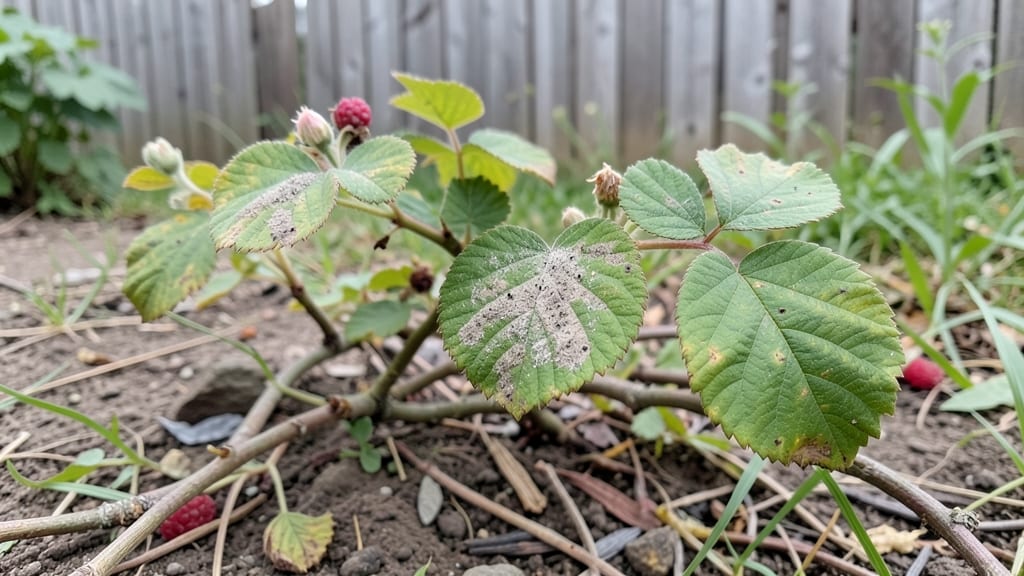
Fungus on shrubs turns vibrant foliage into a sad, spotted mess—but I’ve saved my hydrangeas and roses from total collapse using simple, natural fixes. The key is acting fast when you spot those first powdery patches or rusty splotches, before the problem spreads like wildfire.
My go-to remedies cost pennies and work better than harsh chemicals, though I’ll admit some cases need a stronger hand.
Most fungal infections start with too much moisture or poor airflow—think crowded shrubs or water splashing onto leaves. I learned the hard way when my azaleas developed black spot after years of overhead watering. The fix?
Prune for airflow, water at the base, and add a 3-inch layer of mulch to keep soil dry. For existing infections, a mix of baking soda and neem oil (yes, really) clears up powdery mildew in about 10 days if applied weekly.
You’ll see dramatic improvement within 2-3 weeks of consistent care—leaves regrow, stems strengthen, and those unsightly spots fade. The best part? Healthy shrubs become disease-resistant over time, so you won’t need to repeat treatments every season.
I’ll walk you through exactly which remedies work for each type of fungus, plus when to call in the big guns.
This works for hydrangeas, roses, boxwoods, and even fruit shrubs—no matter your climate. The secret isn’t fancy tools, but knowing when to intervene and how to prevent it next time. Let’s get your shrubs back to their glory days.
Root Causes Of Plant Fungal Woes
Fungal infections on shrubs don’t just appear out of nowhere—they’re often a sign that something in your plant’s environment or care routine is off. Understanding the why behind these issues is the first step to fixing them.
Below, we break down the most common culprits, from weather patterns to poor gardening habits, and explain how they create the perfect conditions for fungi to thrive.
Fungi love dampness—think of them as the "water-loving" invaders of your garden. When shrubs sit in soggy soil for too long, their leaves and stems stay moist, creating an ideal breeding ground for pathogens like powdery mildew, black spot, or root rot.
- Overwatering: While shrubs need consistent moisture, too much water (especially without drying periods) keeps fungal spores active. Pro tip: Water deeply but infrequently—aim for 1–1.5 inches per week (including rainfall) and avoid wetting foliage. - Compacted or Clay Soil: Heavy, poorly draining soil traps excess water at the roots.
If your shrubs sit in puddles after rain, fungi will exploit the moisture. - Lack of Airflow: Dense shrubs or crowded plantings trap humidity. Fungal spores spread faster in stagnant, moist air.
Fix it: Amend soil with organic matter (compost or perlite) to improve drainage, and prune shrubs to enhance airflow.
Fungal spores are everywhere—in soil, on tools, and even in the wind. But they only cause problems when they land on a stressed or susceptible shrub.
- Wind & Rain Spread: Spores hitch rides on gusts or splashing water, landing on leaves where they germinate if conditions are right.
- Contaminated Tools/Soil: Pruners, gloves, or compost can carry spores from infected plants to healthy ones. Pro tip: Sterilize tools with rubbing alcohol between uses.
- Weakened Plants: Shrubs under stress (from drought, pests, or poor nutrition) have lower defenses, making them easy targets.
Fix it: Space shrubs for airflow, remove infected debris immediately, and avoid overhead watering.
Fungi thrive in warm, humid conditions—think of them as tropical parasites. Sudden changes in temperature or high humidity create the perfect storm for outbreaks.
- Hot, Humid Summers: Ideal for powdery mildew and leaf spots.
If your area has high nighttime humidity (above 75%), fungi spread faster. - Cool, Wet Springs/Falls: Perfect for rust fungi and anthracnose, which love damp, mild weather. - Poor Air Circulation: Greenhouses, dense foliage, or shaded areas trap moisture, increasing fungal risk.
Fix it: Choose heat-tolerant shrubs for your climate, and use fungus-resistant varieties (e.g., 'Claret' currant for powdery mildew resistance).
A shrub that’s malnourished or overfed is more vulnerable to fungi. Here’s how imbalances play a role:
- Too Much Nitrogen: Lush, soft growth is tasty to fungi. A high-nitrogen fertilizer (like lawn fertilizer) can weaken a shrub’s natural defenses. - Lack of Key Nutrients: Shrubs deficient in phosphorus or potassium struggle to fight infections.
Yellowing leaves or stunted growth? That’s a red flag. - Salt Buildup: Over-fertilizing or using poor-quality soil amendments can harm roots, making them susceptible to rot.
Fix it: Use a balanced fertilizer (10-10-10 or 5-10-10) and mulch properly (2–4 inches of organic mulch) to regulate soil moisture and nutrients.
Some pests don’t just damage shrubs—they open doors for fungi.
For example: - Aphids & Spider Mites: Their honeydew (sticky residue) feeds fungal growth like sooty mold. - Canker-Causing Insects: Borers or scale insects create wounds where Valsa canker or Botryosphaeria fungi can take hold. - Root Feeders: Grubs or nematodes weaken roots, making them prone to root rot.
Fix it: Monitor for pests early, and treat infestations with neem oil or insecticidal soap before fungi move in.
Not all shrubs are built for your climate or soil. When you plant them in stressful conditions, fungi move in to exploit the weakness.
- Shade-Loving Shrubs in Sun: Some (like hydrangeas) get leaf scorch or fungal leaf spots if planted in full sun.
- Drought-Tolerant Shrubs in Wet Soil: Lavender or rosemary in soggy soil? Root rot will follow.
- Acid-Loving Plants in Alkaline Soil: Azaleas or blueberries in high-pH soil weaken, inviting fungi.
Fix it: Research your shrub’s native habitat and match soil pH, sunlight, and moisture needs.
Key Takeaway: Fungal infections are rarely random—they’re a symptom of underlying issues. By addressing moisture, nutrition, airflow, and plant health, you can starve out fungi before they take hold. Next up: How to spot early signs and natural remedies to revive your shrubs!
Quick Fixes for Fungus on Shrubs
Fungus on shrubs can feel like a losing battle, but with the right approach, you can restore your plants to their former glory—naturally and effectively. The key is identifying the root cause (whether it’s overwatering, poor air circulation, or stress) and applying targeted solutions.
Below, we break down the most common issues and the best fixes to tackle them, plus tips to keep fungus at bay for good.
Fungus thrives in damp, stagnant conditions, so if your shrubs are waterlogged, they’re basically inviting a fungal feast. Here’s how to dry things out and prevent future outbreaks:
- 🔪 Trim Back Affected Leaves & Branches Use clean, sharp pruners to remove any yellowing, blackened, or mushy leaves and stems. Dispose of them in the trash (not the compost)—fungus spores can survive in compost piles!
Focus on: - Leaves with white, pink, or black powdery/moldy spots. - Stems that feel soft or oozy when touched (a sign of rot). - Pro tip: Sterilize your pruners with rubbing alcohol between cuts to avoid spreading spores.
- 🌬️ Boost Air Circulation Fungus loves tight, humid spaces. Thin out overcrowded branches and space shrubs at least 2–3 feet apart (check plant tags for ideal spacing). If your shrub is in a container, ensure it has drainage holes and elevate it slightly with pot feet.
- 💧 Adjust Your Watering Habits - Water deeply but less frequently—aim for 1–1.5 inches per week (including rain). - Water early in the day so foliage dries quickly. - Avoid overhead watering (use drip irrigation or soaker hoses instead). - Pro tip: If your soil feels soggy 1–2 inches down, hold off on watering.
Fungus loves soggy soil!
If your shrubs are in a hot, humid climate or shaded with poor airflow, they’re more susceptible to fungal infections like powdery mildew or anthracnose. Here’s how to help them toughen up:
- ☀️ Provide the Right Light Most shrubs need 6–8 hours of sunlight daily. If yours is in deep shade, gradually move it to a sunnier spot over a few weeks. For container shrubs, rotate them weekly so all sides get light.
- 🌿 Apply a Baking Soda Spray (Mild Cases) Mix 1 tsp baking soda + 1 quart water + a few drops of dish soap in a spray bottle.
Lightly mist both sides of leaves every 7–10 days for powdery mildew. Why it works: Baking soda raises the pH, making it harder for fungus to latch on.
- 💡 Use Reflective Mulch or Light-Colored Mulch Cover the soil around your shrubs with gravel, straw, or light-colored mulch to reflect heat and reduce soil moisture. This keeps roots cooler and dries out the base faster.
Stressed shrubs are like open invitations to fungus. If your plants are pale, stunted, or wilty, they need a boost to fight off infections.
- 🍽️ Fertilize with Organic Matter Spread 2–3 inches of compost around the base (but not touching the stem) and water it in. For a quick fix, use a balanced organic fertilizer (like 5-5-5) in early spring. Avoid high-nitrogen fertilizers—they promote soft, fungus-loving growth.
- 💪 Add Beneficial Microbes Sprinkle mycorrhizal fungi (available at garden centers) on the soil. These good fungi help your shrubs absorb nutrients and outcompete harmful pathogens.
- 🌱 Prune for Better Growth Habits Cut back overly leggy or dense growth to improve airflow. Aim for an open, vase-like shape so light and air can reach the center.
Once you’ve treated the infection, don’t let it come back! Follow these long-term strategies to keep your shrubs healthy:
- 🌧️ Rainy Season? Take Extra Steps
- Raise container shrubs on pot feet to prevent water pooling.
- Cover shrubs with shade cloth (30–50%) during heavy rain if they’re prone to fungus.
- Water at the base (not overhead) to keep leaves dry.
- 🧼 Clean Up Debris Regularly Remove fallen leaves, dead branches, and weeds from around shrubs—these harbor spores. Use a leaf blower to clear mulch and soil from under plants.
- 🔄 Rotate Your Garden Tools Fungal spores can hitch a ride on tools. Clean pruners, rakes, and shears with a 10% bleach solution (1 part bleach to 9 parts water) or 70% rubbing alcohol after each use.
- 🌱 Choose Resistant Varieties If fungus is a recurring problem, opt for disease-resistant shrubs like:
- Boxwood (resistant to powdery mildew).
- Dwarf Ninebark (tolerates humidity well).
- Abelia (rarely affected by fungus).
Final Thought: Fungus on shrubs doesn’t have to be a death sentence—with a little pruning, airflow tweaks, and smart watering, you can bring your plants back to life. Start with the fixes that match your shrub’s symptoms, then lock in those prevention habits to keep them thriving! 🌿✨
Frequently asked questions
What are the first signs of fungus on shrubs?
Look for powdery white or gray patches (powdery mildew), black or brown spots with yellow halos (leaf spot), or orange rust-like pustules on leaves. Stems may develop cankers (sunken, discolored areas) or ooze when pressed. Check undersides of leaves first—fungus often starts there.
Can I save a shrub with severe fungal damage?
It depends! If more than 30% of leaves are affected or stems show rot, the shrub may not recover. Prune back severely damaged areas, treat with fungicide, and monitor closely. For root rot, repotting with fresh, sterile soil might be necessary. If the plant looks completely dead (no green leaves), it’s likely beyond saving.
How often should I apply natural fungicides?
For preventative sprays (like neem oil or baking soda), apply every 7–10 days during humid seasons. If treating an active infection, use weekly for 3–4 weeks, then switch to monthly maintenance. Always spray in the early morning so leaves dry quickly.
Will fungicides harm beneficial insects like bees?
Most natural fungicides (neem oil, copper soap, or potassium bicarbonate) are bee-safe when used as directed. Avoid spraying in full bloom or when bees are active. Chemical fungicides (like synthetic fungicides) can harm pollinators—always opt for organic options near flowering plants.
Can I use the same fungicide for all types of shrub fungus?
No—different fungi respond best to specific treatments. For example, powdery mildew responds well to baking soda, while black spot often needs copper fungicide. Always identify the fungus first (check leaf patterns and stem symptoms) before choosing a treatment. Mixing remedies (like neem oil + baking soda) can work for broad-spectrum coverage.