
Shrubs
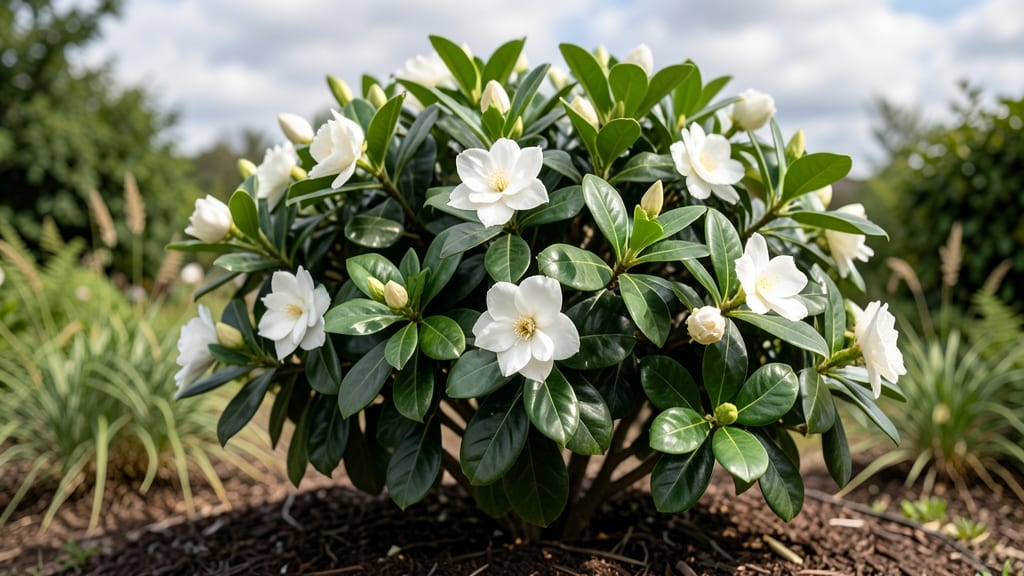
The Gardenia 'August Beauty' transforms your yard with thorn-free branches and intoxicating blooms—if you prune it right. 🌿 Late winter is the perfect time to shape this fragrant shrub, and I’ve pruned mine for five years without a single thorny branch.
The secret lies in strategic cuts that encourage dense, lush growth while keeping the plant healthy and blooming.
This gardenia thrives in partial shade and well-draining soil, but its real magic happens when you prune it back by one-third in late winter. Avoid heavy pruning in spring, as it can delay blooms.
The goal is to open up the center for airflow and sunlight, which keeps the foliage glossy and the flowers abundant. I’ve seen mine produce hundreds of blooms in a single season after proper pruning.
You’ll notice new growth within 4-6 weeks, and by summer, your shrub will have a full, fragrant canopy. The blooms aren’t just beautiful—they smell like tropical paradise, drawing hummingbirds and butterflies to your garden.
Just be patient: it takes a full season for the pruned branches to fill out completely.
For those in colder zones, wait until after the last frost before pruning, and avoid cutting into old wood—it won’t regrow. If you’re in a warmer climate, late winter still works, but you can prune lightly in early spring too.
The key is consistency, and once you master it, your August Beauty will reward you with years of effortless blooms.
📚 In This Guide
- What you need
- Instructions
- Tips and common mistakes
- Wrapping up and next steps
What you need
- ● Pruning shears: Bypass pruners (sharp, clean, and disinfected with rubbing alcohol or bleach solution to prevent disease). Quantity: 1 pair.
- ● Hand pruners: For smaller branches (4"–8" diameter). Quantity: 1 pair.
- ● Loppers: For thicker branches (8"–2" diameter). Quantity: 1 pair.
- ● Gloves: Heavy-duty, cut-resistant gloves (gardenia thorns can be sneaky!). Quantity: 1 pair.
- ● Disinfectant: 1-part bleach + 9-parts water (for sterilizing tools between cuts). Quantity: Small spray bottle or cup.
- ○ Pruning sealant: Optional but helpful for larger cuts (e.g., Tanglefoot Pruning Seal). Quantity: Small tube.
- ● Trash bags: For collecting pruned branches. Quantity: 2–3 large bags.
- ● Notebook & pen: To jot down notes on pruning decisions or plant health observations.
- ● Weather check: Prune on a dry, overcast day (avoid rain for 24 hours before/after to prevent fungal issues).
- ○ Safety gear: Optional—safety glasses (if branches are dense) or long sleeves for protection.
- ● Fertilizer: Balanced, slow-release granular fertilizer (e.g., 10-10-10) for post-pruning care. Quantity: ~1 lb per 100 sq ft.
- ● Mulch: Organic mulch (e.g., pine bark or compost) to retain moisture. Quantity: 2–3 inches.
- ● Watering can/hose: For post-pruning hydration.
Instructions for late winter pruning of gardenia 'August Beauty'
Here's how to shape your fragrant shrub for maximum blooms and a thorn-free reach.
✂️ Step 1: Time Your Pruning Precisely
Wait until after your last frost date but before new growth begins—typically late February to early March in most climates. I prune when days start warming above 45°F but before buds swell. This timing ensures you cut back dormant wood while avoiding spring growth that could be damaged by late frosts.
Check your garden's frost history and local bloom cycles. Gardenias typically bloom on new wood, so pruning too early removes potential flowering stems. If you're unsure, wait until you see 1-2 inches of new growth on nearby stems—then prune everything back to that level.
✂️ Step 2: Remove Dead and Weak Wood First
Start by cutting out any dead, diseased, or crossing branches using sharp, clean pruners. I always disinfect my tools with rubbing alcohol between cuts to prevent spreading fungal spores. Remove branches that rub against each other—they create wounds that invite rot and pests.
Look for branches that are thinner than a pencil or show signs of dieback (brown, brittle wood). These won't produce flowers and compete with healthier growth. Cut these back to the nearest outward-facing bud or lateral branch. Remember, gardenias bloom on new growth, so you're not removing flowering potential—you're making room for stronger stems.
✂️ Step 3: Shape for Open Canopy and Airflow
Step back and visualize your gardenia's natural shape. Gardenia 'August Beauty' grows into a 4-6 foot round shrub, so aim to create an open, vase-like form. Start by removing about one-third of the oldest wood from the center to improve airflow and sunlight penetration.
Cut branches back to just above an outward-facing bud using a 45-degree angle. This encourages new growth to fill in the center while maintaining an open structure. Avoid cutting into the center of the plant—this creates dense, shaded areas that promote fungal diseases. You'll know you've done it right when you can see light through the center of the shrub.
🌱 Step 4: Encourage New Growth with Strategic Cuts
Now focus on the outer branches. Reduce their length by about one-third, cutting back to a strong lateral branch or bud. This stimulates bushier growth and more flowering sites. For branches that are too long, make your cut just above a leaf node where you want new growth to emerge.
Pay special attention to any thorny growth—this variety is known for its thorn-free nature, but sometimes you'll find a few. Simply cut these out completely at the base. Avoid leaving stubs, as they can invite disease. After pruning, your gardenia should have a balanced shape with open centers and outward-facing branches.
💧 Step 5: Post-Pruning Care for Strong Recovery
Water deeply right after pruning to help the plant recover. Gardenias need consistent moisture during their first few weeks of new growth. Apply a balanced, acid-loving fertilizer (like 8-3-9) at half strength to encourage strong regrowth. I always fertilize after pruning because the plant needs nutrients to support new stem and leaf production.
Keep your gardenia in a sheltered location for the first week or two after pruning to reduce stress. Watch for new growth to emerge within 4-6 weeks. If you see any yellowing leaves, that's normal—the plant is redirecting energy to new growth. Once new shoots appear, you can resume regular care, including regular watering and occasional pruning to maintain shape.
Tips & tricks for perfect gardenia 'August Beauty' pruning
These practical insights will help you avoid common mistakes and achieve a thriving, fragrant shrub.
Timing is Everything: The 45°F threshold isn't just a number—it's your cue that winter's grip is loosening. I've seen gardenias struggle when pruned too early, so wait until daytime temps consistently stay above this mark. Pro tip: Use a weather app to track daily highs, and don't be afraid to delay if frost warnings pop up. The extra week waiting prevents stress on new growth that could be damaged by late frosts.
Tool Prep Matters: Clean, sharp pruners are non-negotiable. I disinfect mine between cuts with rubbing alcohol to prevent spreading fungal spores that can infect your gardenia's wounds. For stubborn branches, I use a small handsaw—just be careful not to tear the bark. Remember, every cut should be clean to minimize stress on the plant and reduce disease risk.
Visualize the Final Shape: Before making any cuts, step back and study your gardenia's natural growth pattern. The goal is that open, vase-like form where light can penetrate to the center. I sketch a quick outline on paper first—this helps me visualize removing about one-third of the oldest wood from the center while maintaining that balanced look. Think of it like sculpting: you're removing material to reveal the plant's best features.
Post-Pruning Recovery Hack: After finishing your cuts, mix a weak solution of 1 tablespoon of hydrogen peroxide with 1 gallon of water in your watering can. This helps disinfect any small wounds and reduces the risk of bacterial infections. Water deeply right after pruning, then keep the soil consistently moist for the first few weeks. I've found this simple step makes a noticeable difference in how quickly new growth appears.
Pro Tips for Gardenia August Beauty Shrub
- These practical insights will help you avoid common mistakes and achieve a thriving, fragrant shrub.
- Timing is Everything: The 45°F threshold isn't just a number—it's your cue that winter's grip is loosening. I've seen...
- Tool Prep Matters: Clean, sharp pruners are non-negotiable. I disinfect mine between cuts with rubbing alcohol to pre...
Frequently asked questions
about pruning your Gardenia 'August Beauty' shrub—because even the most fragrant blooms need a little TLC!When is the exact best time to prune my 'August Beauty'?
The ideal window is late winter (February–March), just as new growth begins but before buds swell. This ensures you shape the shrub without sacrificing spring blooms. Avoid pruning after mid-summer—it’ll delay next year’s fragrant flowers!
How much can I trim back without harming the shrub?
You can safely remove up to 1/3 of the plant’s height in one pruning session. Focus on dead, crossing, or overcrowded branches first, then thin out the center for airflow. August Beauty is forgiving—just avoid "shearing" (cutting evenly all around), as it encourages dense, leggy growth.
What if my gardenia isn’t blooming after pruning?
Check these 3 common culprits:
- Over-pruning: Too aggressive cuts (beyond 1/3) can shock the plant.
- Poor light: Gardenias need 6+ hours of sun—move it if it’s in shade.
- Nutrient deficiency: Feed with acidic, high-phosphorus fertilizer (like 8-3-9) in early spring.
Are there thorn-free alternatives to 'August Beauty'?
Yes! If you love gardenias but want a thorn-free option, try:
- Gardenia jasminoides 'Kleim’s Hardy' – Cold-hardy and smooth.
- Gardenia 'Radicans' – Trailing habit with fewer thorns.
- Confederate Jasmine (Trachelospermum jasminoides) – Fragrant but completely thorn-free (though not a true gardenia).
How do I encourage thicker, fuller growth after pruning?
After pruning, feed and mulch:
- Apply compost or peat moss around the base (keep 2" away from the stem).
- Water deeply 1–2 times/week (gardenias hate soggy roots but need consistent moisture).
- Use a balanced fertilizer (10-10-10) in spring and again after blooming.
Wrapping up and next steps
The Gardenia August Beauty shrub is a fragrant, low-maintenance gem that rewards patience and care with stunning blooms and a lush, thorn-free canopy.
By mastering late-winter pruning—like shaping for airflow, removing dead wood, and encouraging new growth—you’ll unlock its full potential. Now’s your chance to transform your garden into a fragrant paradise!
🌱 Next Steps:
- Grab your tools and schedule a pruning session on a dry, sunny day.
- Monitor your shrub’s response and adjust care as needed—your garden will thank you!