
Light Requirements
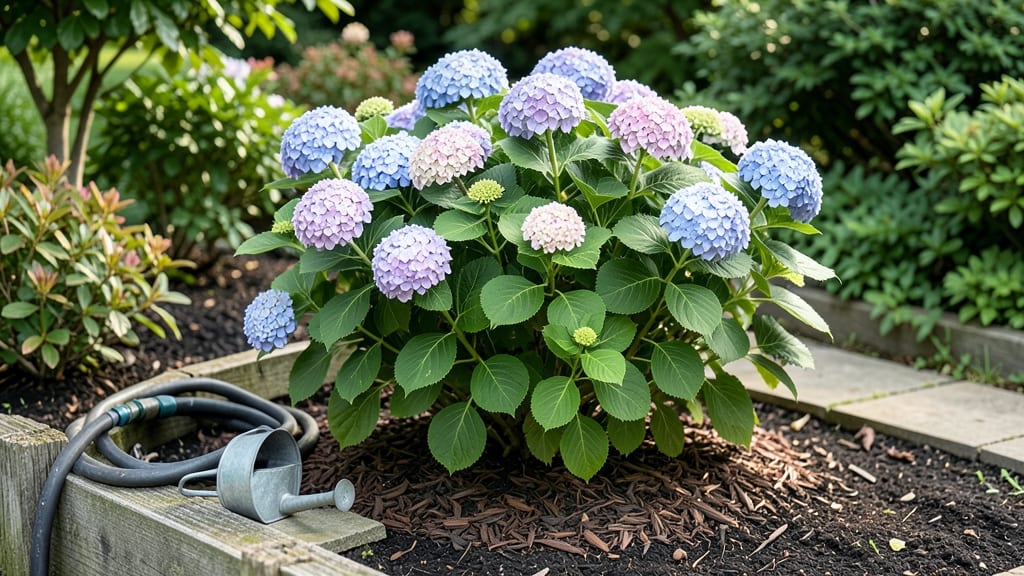
Part-shade flowering shrubs bring color to your garden without demanding full sun. 🌿 I’ve spent years testing varieties that thrive in dappled light—like hydrangeas and azaleas—while still delivering fragrant blooms from spring to fall.
The secret? Choosing plants that love morning sun and afternoon shade, where they avoid scorching yet still get enough light to flourish.
These shrubs need minimal care but reward you with bold colors and seasonal interest. Hydrangeas offer giant blooms in pink, blue, or white, while fothergilla delivers spicy-scented spring flowers and fiery fall foliage.
Most handle moderate moisture and well-draining soil, making them perfect for borders, hedges, or mixed shrubbery where sunlight is inconsistent.
Layer them with evergreens for year-round structure or pair with hostas and ferns for a lush, woodland feel. The result? A garden that stays vibrant even in shadier spots, with season-long blooms that attract pollinators and turn heads. No more struggling with sun-starved plants—just effortless beauty.
Whether you’re filling a shady corner or creating a fragrant hedge, these shrubs adapt easily. Start with 3-5 plants for a small border or space them 4-6 feet apart for a fuller look. The key is matching their light needs to your space—then sit back and enjoy the show.
📚 In This Guide
- What you need
- Instructions
- Tips and common mistakes
- Wrapping up and next steps
What you need
- ● Part-shade flowering shrubs: Choose 3–5 plants from varieties like Hydrangea, Weigela, Pieris, or Abelia (check local climate suitability).
- ● Well-draining potting mix: 1–2 bags (10–15 lbs each) of a blend designed for shrubs (e.g., 60% peat moss, 20% perlite, 20% compost).
- ● Garden trowel or shovel: Medium-sized (12–18 inches) for planting.
- ● Pruning shears: Bypass-style for clean cuts (sterilize with rubbing alcohol).
- ● Mulch: 2–3 cubic feet of shredded bark or pine needles to retain moisture.
- ● Watering can or hose with adjustable nozzle: For gentle, deep watering (1–2 gallons per plant initially).
- ● Slow-release fertilizer: 10–20-10 NPK ratio, 1–2 lbs per shrub (sprinkle lightly around roots).
- ● Garden gloves: For protection while handling soil or thorny plants.
- ● Stakes or plant supports: For tall shrubs (e.g., Weigela) to prevent flopping.
- ● Soil pH test kit: To adjust acidity (e.g., for Azaleas, aim for pH 4.5–6.0).
- ● Organic compost: 1–2 bags to boost soil fertility over time.
- ● Decorative rocks or pebbles: For a polished, low-maintenance border.
How to select and plant part-shade flowering shrubs for season-long color
Here's how I choose and establish fragrant, low-maintenance shrubs that thrive in filtered light.
🌿 Step 1: Choose the Right Shrubs for Your Light Conditions
Part shade means 3-6 hours of direct sun daily—not full sun, not deep shade. I recommend hydrangeas, azaleas, or pieris for reliable blooms. Check your site's microclimate: North-facing walls get less light than East-facing spots. If your area gets only 3 hours of sun, opt for Japanese maples or fothergilla instead.
Look for established plants with multiple buds along stems—these will bloom more heavily. Avoid leggy specimens with sparse foliage; they've been deprived of light. I always inspect root systems too: healthy roots should be white and firm, not brown or mushy. Plant tags often list sun requirements—never trust just the common name.
☀️ Step 2: Prepare the Planting Site for Optimal Growth
Test your soil's moisture retention by digging a 6-inch hole—if water pools after 30 minutes, amend with 1 part sand to 2 parts native soil. Part-shade shrubs prefer slightly acidic to neutral soil (pH 6.0-7.0). I mix in 2-3 inches of compost into the bottom of the hole to improve drainage without compacting.
Choose a location where shrubs won't compete with trees for water. The root zone should extend 2-3 feet beyond the plant's canopy at maturity. Mark the planting area with stakes to visualize the mature size—this prevents overcrowding later. For 4 plants, space them 4-6 feet apart depending on variety.
🪴 Step 3: Plant With Proper Depth and Watering Technique
Dig holes twice as wide as the root ball but no deeper—planting too low suffocates roots. Gently remove the plant from its container and tease apart any circling roots with your fingers. Position the shrub so the top of the root ball sits 1 inch above ground level—this prevents rot during heavy rains.
Backfill with native soil mixed with 1 cup of slow-release fertilizer per plant. Water deeply until the soil settles, then add more soil to maintain that 1-inch crown height. I always create a 2-inch mulch ring around each plant, keeping mulch 3 inches away from stems to prevent moisture buildup. Use wood chips or shredded bark for best results.
💧 Step 4: Establish a Watering Schedule for First-Year Success
Water deeply 2-3 times per week during the first growing season, aiming for 1-1.5 gallons per plant. Let the top 2 inches of soil dry between waterings—you'll see wilting leaves if it's too dry, but soggy soil leads to root rot. I use a rain gauge to track moisture; most part-shade shrubs need 1-1.5 inches of water weekly.
After the first year, established shrubs tolerate drought conditions better but still need 1 inch of water weekly during bloom season. I always water in the early morning to reduce evaporation and fungal risks. Avoid overhead sprinklers that wet foliage—this encourages powdery mildew on hydrangeas and azaleas.
✂️ Step 5: Prune Strategically for Next Season's Blooms
Prune azaleas and pieris immediately after flowering to shape and remove dead wood. For hydrangeas, wait until late summer after blooms fade—this ensures next year's flower buds form properly. I never cut back more than 1/3 of the plant's height in one season; aggressive pruning stresses part-shade shrubs.
Use clean, sharp shears to make cuts at 45-degree angles just above outward-facing buds. This encourages bushier growth. Remove any crossing branches or dead wood first—these compete for energy. I always sterilize my shears with rubbing alcohol between cuts to prevent disease spread. After pruning, apply a 2-inch layer of mulch to retain moisture and suppress weeds.
Tips & tricks for perfect part-shade flowering shrubs
Between us, establishing these beauties takes more than just throwing plants in the ground. Here’s what I’ve learned after years of trial and error to ensure your part-shade shrubs thrive and bloom like they’re in a botanical garden.
Light Assessment: The 3-6 hours of direct sun mentioned in Step 1 is a range for a reason—your microclimate matters. North-facing walls might only get 3 hours, while East-facing spots could see 5. I always test with a simple trick: Observe the area for a full week. Place a white board where you plan to plant and mark the sun’s shadow at noon each day. This visual helps you map the actual light exposure and adjust your shrub selection accordingly.
Soil Test Shortcut: You don’t need a fancy lab test to gauge your soil’s moisture retention. After digging that 6-inch hole in Step 2, fill it with water and let it drain. If it takes less than 30 minutes to pool, your soil drains too quickly—mix in that 1 part sand to 2 parts native soil ratio. For soggy soil (water still present after 2 hours), add compost to improve aeration. I’ve found that part-shade shrubs like hydrangeas actually prefer soil that holds moisture but doesn’t stay waterlogged.
Root Ball Handling: Step 3’s instruction to tease apart circling roots is non-negotiable, but here’s the part nobody tells you: If your shrub has been in a container for years, the roots might be tightly bound. Soak the root ball in water for 10-15 minutes before removing it—this loosens the soil and makes it easier to gently separate those roots. I also recommend wearing gloves; some shrubs, like azaleas, have fine roots that can be surprisingly sharp.
Watering Hack: Tracking 1-1.5 inches of water weekly (Step 4) can feel vague, so I use a tuna can as a makeshift rain gauge. Bury it near your plants up to the rim—when it’s half full, you’ve hit that 1-inch mark. For the first year, I set a phone alarm for every 3-4 days to remind me to water deeply. Overhead sprinklers? Skip them unless you’re watering early morning, or you’ll risk fungal issues on hydrangeas and azaleas. A drip irrigation system or soaker hose is my go-to for consistent moisture without wetting the leaves.
Pro Tips for Part Shade Flowering Shrubs
- Between us, establishing these beauties takes more than just throwing plants in the ground. Here’s what I’ve learned ...
- Light Assessment: The 3-6 hours of direct sun mentioned in Step 1 is a range for a reason—your microclimate matters. ...
- Soil Test Shortcut: You don’t need a fancy lab test to gauge your soil’s moisture retention. After digging that 6-inc...
Frequently asked questions
Got questions about part-shade flowering shrubs?
Here are answers to the most common ones to help you pick the perfect plants for your garden’s shady spots!
What’s the best part-shade flowering shrub for beginners?
Start with Hydrangea macrophylla (bigleaf hydrangea) or Weigela florida. Both are hardy, forgiving, and thrive in partial shade with minimal fuss. Hydrangeas offer stunning blooms and color-changing foliage, while weigelas provide cheerful, long-lasting flowers with little maintenance.
When is the ideal time to plant part-shade flowering shrubs?
The best times are early spring (after the last frost) or fall (4-6 weeks before the first frost). Planting in these seasons gives roots time to establish before extreme weather. Avoid planting in summer heat or winter cold, as stress can hinder growth.
Can part-shade shrubs handle morning sun vs. afternoon shade?
Yes! Most part-shade shrubs adapt well to morning sun + afternoon shade, but avoid harsh afternoon sun, which can scorch leaves. If your garden gets intense afternoon rays, opt for shrubs like Abelia grandiflora or Pieris japonica, which tolerate brighter conditions.
Why aren’t my part-shade shrubs blooming?
Common culprits include too much shade (some need 3-6 hours of light), over-fertilizing (focus on bloom-boosting fertilizers like 10-10-10), or pruning at the wrong time (prune after flowering for most shrubs). Check your shrub’s specific needs—some, like Camellia, bloom on old wood!
Are there fragrant part-shade flowering shrubs?
Try Deutzia (lightly sweet blooms), Philadelphus (mock orange) (intense citrusy fragrance), or Spiraea japonica ‘Goldflame’ (subtle, honey-like scent). Plant them near patios or walkways to enjoy their intoxicating aromas while you relax!
Wrapping up and next steps
Part-shade flowering shrubs are the perfect low-maintenance stars for gardeners who love color and fragrance without the fuss! 🌸 Whether you’re filling a shady corner, brightening a patio, or adding texture to your landscape, these beauties thrive with minimal care while delivering season-long blooms and lush foliage.
With the right choices—like hydrangeas, azaleas, or abelia—you’ll enjoy effortless elegance and a garden that feels alive year-round.
Ready to transform your space? Start small! Pick one or two shrubs that match your light conditions and soil, then expand as you gain confidence. Happy gardening—your future blooms are waiting! 🌿✨