
Shrubs
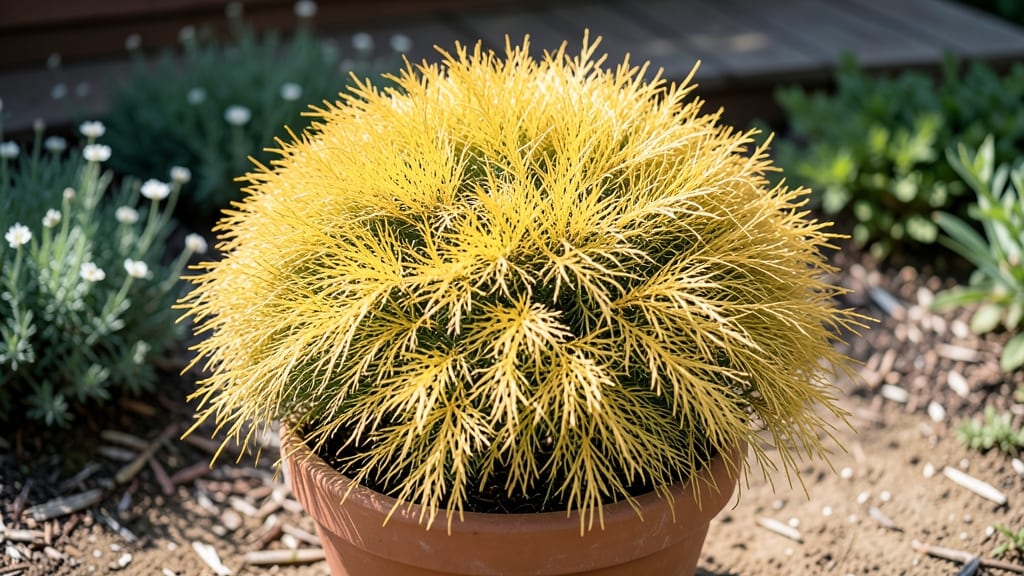
Transforming your garden into a fragrant, thorn-free oasis starts with the Gold Mop shrub—that golden, cloud-like beauty that smells like a summer breeze. 🌿 I’ve pruned mine for years, and the secret to its lush, fragrant canopy isn’t complicated: it’s all about timing, technique, and a little patience.
This shrub thrives in full sun, repels pests naturally, and stays compact enough for borders or containers.
You’ll need sharp pruners, a sunny spot with well-draining soil, and about 15 minutes every spring to shape it just right. The key is cutting back one-third of the oldest stems each year—this keeps the center open, airy, and full of new growth.
No thorns, no fuss, just that signature golden haze and a subtle, lemony scent that lingers on the breeze.
By summer, you’ll have a dense, fragrant canopy that hummingbirds adore and deer avoid. It’s perfect for borders, containers, or even as a low hedge. The best part? It’s nearly pest-free and drought-tolerant once established—ideal for busy gardeners who still want drama.
Fair warning: Over-pruning in fall can stunt growth, and neglecting it leads to leggy stems. But once you nail the rhythm, this shrub rewards you with years of low-maintenance beauty. Let’s get those shears ready!
📚 In This Guide
- What you need
- Instructions
- Tips and common mistakes
- Wrapping up and next steps
What you need
- ○ Pruning shears – Sharp, bypass-style shears (avoid anvil shears to prevent crushing stems). Optional: Loppers for thicker branches (1–2 inches in diameter).
- ○ Gloves – Heavy-duty, cut-resistant gloves (Gold Mop can have small thorns!). Optional: Long sleeves for extra protection.
- ● Disinfectant – 70% isopropyl alcohol or a 10% bleach solution (1 part bleach to 9 parts water) to sterilize tools between cuts.
- ○ Pruning sealant – Optional but helpful for larger cuts (e.g., Tanglefoot Tree Wound Pruning Sealer) to prevent disease.
- ● Trash bag or bucket – For collecting pruned branches (1–2 large bags or a 5-gallon bucket).
- ● Ladder – Only if needed for high branches (ensure it’s stable and rated for your weight).
- ● Notebook & pen – To sketch a simple pruning map of your shrub’s structure before cutting.
- ● Choose the right time: Prune in late winter or early spring (before new growth starts) for best results.
- ● Check the weather: Aim for a dry, calm day to avoid spreading disease or damaging the plant.
- ● Assess your shrub: Look for dead, diseased, or crossing branches—these are your top priorities!
- ● Safety first: Wear closed-toe shoes and avoid pruning near power lines.
Step-by-step guide to pruning gold mop shrubs
Transform your gold mop shrub into a fragrant, thorn-free canopy with these precise pruning techniques.
✂️ Step 1: Assess the Shrub’s Structure and Health
Start by examining your gold mop shrub for dead, diseased, or crossing branches. I like to do this in early spring before new growth begins—it’s easier to spot issues when the plant is dormant. Look for branches that are brown, brittle, or lacking leaves; these should be removed immediately to prevent disease spread. Also, identify any branches rubbing against each other, as these will eventually create wounds and weaken the shrub.
Next, check for thorns. Gold mop shrubs naturally produce thorns, but excessive thorniness can make pruning and maintenance difficult. Mark branches with clusters of thorns for selective removal later. Use your fingers to gently trace the branch’s path—thorns often grow where branches are crowded or damaged. This step ensures you’re pruning with purpose, not just randomly cutting back growth.
✂️ Step 2: Remove Dead, Diseased, and Crowded Branches
Using clean, sharp pruning shears, cut out dead or diseased branches at their base. Make cuts just outside the branch collar—the swollen area where the branch meets the trunk—to promote faster healing. Avoid leaving stubs, as they can trap moisture and invite rot. For diseased branches, disinfect your shears with rubbing alcohol between cuts to prevent cross-contamination.
Next, tackle crowded or crossing branches. Remove one of the two branches if they’re rubbing together, always choosing the smaller or weaker branch to preserve the shrub’s natural shape. If branches are growing inward, cut them back to an outward-facing bud to encourage an open, airy canopy. This step is critical for maintaining airflow, which reduces humidity and fungal issues.
✂️ Step 3: Shape the Canopy for Full, Fragrant Growth
Now, focus on shaping the shrub to encourage a dense, fragrant canopy. Start by thinning out the center of the shrub to allow light and air to penetrate. Cut back about one-third of the oldest, thickest branches to stimulate new growth from the base. This rejuvenation pruning keeps the shrub vibrant and prevents it from becoming woody and sparse.
For the outer edges, trim back any branches that are growing too long or leggy. Aim to create a rounded, mop-like shape by cutting just above a set of healthy leaves or buds. Avoid cutting into old wood, as new growth may not form. Step back occasionally to visualize the shape—you’re sculpting a balanced, full shrub that will produce more flowers and fragrance.
✂️ Step 4: Prune for Thorn Reduction and Maintenance
To minimize thorns, focus on branches with dense clusters. Cut these back to a point where the branch splits or to a lateral bud that’s free of thorns. Thorns often develop in response to stress, so reducing crowding and improving airflow naturally decreases their formation. If you encounter a particularly thorny branch that’s otherwise healthy, leave it for now—pruning it too aggressively can stimulate even more thorn growth.
Finally, clean up the pruned branches and any fallen debris from the base of the shrub. Dispose of diseased branches separately to avoid spreading pathogens. Water the shrub lightly after pruning to help it recover, but avoid overwatering, which can stress the plant. Mulch around the base with 2-3 inches of organic mulch to retain moisture and protect new growth.
⏰ Step 5: Monitor and Adjust for Ongoing Growth
After pruning, keep an eye on the shrub’s response over the next few weeks. New growth should emerge from the base and along the branches you’ve trimmed. If you notice any leggy or sparse growth, it may indicate that the shrub needs more light or that you pruned too aggressively. Adjust future pruning accordingly—gold mop shrubs respond well to regular, light pruning rather than heavy annual cuts.
Plan to prune again in late summer or early fall to remove any new thorny growth or to fine-tune the shape. This second pruning encourages a flush of fresh, fragrant foliage before winter. With consistent care, your gold mop shrub will develop into a lush, thorn-free canopy that’s both beautiful and low-maintenance.
Tips & tricks for perfect gold mop shrub pruning
These pro techniques will help you transform your gold mop shrub into a fragrant, thorn-free masterpiece with minimal stress.
Tool Preparation: Always sterilize your pruning shears with rubbing alcohol between cuts, especially when removing diseased branches. I keep a small bottle of 70% isopropyl alcohol in my gardening toolkit—it's a game-changer for preventing cross-contamination. Also, sharpen your blades before starting; dull shears crush rather than cut cleanly, causing unnecessary damage to the shrub. A clean cut heals faster and looks more professional.
Seasonal Timing: Early spring is ideal for your first pruning session when the shrub is still dormant but showing signs of new growth. This timing allows you to see the structure clearly while avoiding the stress of summer heat. If you notice excessive thorn growth during summer, do a light maintenance pruning then—but avoid heavy pruning after mid-summer as it may stimulate tender new growth that won't harden off before winter.
Visual Pruning Cues: When shaping in Step 3, look for the "V" shapes where branches split—these are perfect cutting points. Aim to create an open center by removing branches that grow straight up or inward. The goal is to see light through the center when you stand directly in front of the shrub. This open structure allows air circulation, which reduces fungal diseases and encourages more fragrant foliage growth.
Thorn Management Strategy: For branches with dense thorn clusters, make your cuts just above a lateral bud that's free of thorns. I find using my fingernail to gently trace the branch path helps identify these safe cutting points. Remember, thorns form as a defense mechanism when branches are crowded or stressed—so improving airflow through proper pruning actually reduces future thorn production over time.
Pro Tips for Gold Mop Shrub
- These pro techniques will help you transform your gold mop shrub into a fragrant, thorn-free masterpiece with minimal stress.
- Tool Preparation: Always sterilize your pruning shears with rubbing alcohol between cuts, especially when removing diseased branches.
- Seasonal Timing: Early spring is ideal for your first pruning session when the shrub is still dormant but showing signs of new growth.
Frequently asked questions
Got questions about keeping your gold mop shrub thriving? You’re not alone! Here are some of the most common concerns—plus quick, actionable answers to keep your fragrant, thorn-free beauty in top shape.
When is the best time to prune a gold mop shrub?
The ideal time to prune your gold mop shrub (Cotinus coggygria) is late winter or early spring, just before new growth begins. This timing encourages vigorous blooms and maintains its iconic golden foliage. Avoid pruning in fall—it can stimulate tender new growth that may not survive winter. For light shaping, you can also prune in summer, but avoid heavy cuts then.
How much can I trim back my gold mop shrub?
You can prune up to one-third of the plant’s total volume without stressing it, but avoid cutting into old wood—this shrub struggles to regrow from bare branches. Focus on dead, diseased, or overcrowded branches first, then shape the canopy. For a hard rejuvenation, prune back to 6–12 inches from the ground in early spring, but expect slower recovery.
Why does my gold mop shrub have fewer thorns?
Gold mop shrubs are naturally thorn-free—if you’re seeing thorns, you might be dealing with a misidentified plant (like a hawthorn or rose). True Cotinus coggygria varieties, including ‘Royal Purple’ and ‘Golden Spirit,’ are smooth and velvety. If you suspect a mix-up, check the leaf shape and puffball-like flower clusters—classic gold mop traits!
Can I grow a gold mop shrub in full shade?
While gold mops tolerate partial shade (especially in hot climates), they thrive best in full sun (6+ hours daily) for vibrant foliage and optimal growth. In shade, expect duller leaves and slower blooming. If your yard is shady, choose a sunny spot near a window or patio—or opt for shade-tolerant alternatives like Fatsia japonica or Pieris japonica.
What should I do if my gold mop shrub’s leaves turn brown?
Brown leaves usually signal overwatering, underwatering, or fungal issues. First, check the soil—it should be moist but not soggy. If the roots feel mushy, you’ve overwatered; if dry, water deeply and mulch to retain moisture. For fungal diseases (like powdery mildew), prune affected branches and apply neem oil or copper fungicide. Ensure good airflow by spacing plants properly.
Pro Tip:
Need a fragrant, low-maintenance alternative? Try Osmanthus heterophyllus (‘Tea Olive’)—it’s thorn-free, evergreen, and loves pruning! But for that iconic golden puffball drama, stick with the gold mop.
Wrapping up and next steps
The gold mop shrub is a low-maintenance gem that rewards you with a fragrant, thorn-free haven—once you master the art of pruning! 🌿 With the right tools, timing, and techniques, you’ll transform it into a lush, sun-loving showpiece that thrives year after year.
Remember, consistency is key, whether you’re shaping it for aesthetics or encouraging bushier growth.
Ready to level up your shrub care? Grab your pruners and give your gold mop shrub the attention it deserves—your garden (and your senses!) will thank you. Next, explore our guide to seasonal care to keep it flourishing all year round.