
Pests and Diseases
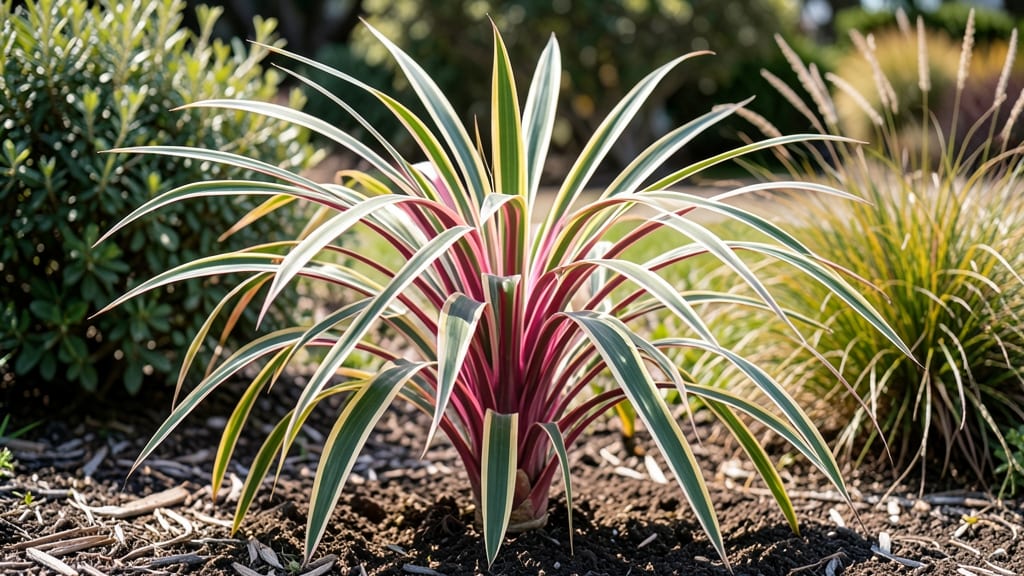
Variegated shrubs with green and yellow foliage instantly transform any garden into a sunlit masterpiece. 🌿 These eye-catching plants add drama year-round, whether you're framing a doorway, lining a path, or creating a bold hedge.
The golden edges catch the light like tiny mirrors, turning ordinary spaces into vibrant focal points.
Popular picks like 'Dwarf Fountain' boxwood or 'Golden Privet' thrive in full sun to partial shade, while 'Variegated Loropetalum' brings deep purple stems into the mix. Pair them with deep greens or purples to make the yellow pop even more, or use them as edging for a clean, modern look.
The contrast is so striking that even winter's browns can't dull their impact.
📚 In This Guide
- What you need
- Instructions
- Tips and common mistakes
- Wrapping up and next steps
What you need
- ● Garden gloves – 1 pair (nitrile-coated for chemical resistance)
- ● Pruning shears – 1 pair (sharp, sterilized, with bypass blades)
- ● Hose with adjustable nozzle – For watering and rinsing
- ● Neem oil – 16 oz (organic pesticide/fungicide, 1-2% concentration)
- ● Insecticidal soap – 16 oz (spray bottle or ready-to-use)
- ● Fungicide (copper-based or sulfur) – 16 oz (for powdery mildew or fungal issues)
- ● Spray bottle (16 oz) – For targeted treatments
- ● Garden twine or stakes – For supporting affected branches if needed
- ● Systemic insecticide (e.g., imidacloprid) – For severe infestations (follow label instructions)
- ● Beneficial nematodes – For soil-dwelling pests (1-2 million per sq. ft.)
- ● Reflective mulch – To deter aphids and other pests
- ● pH testing kit – To check soil health (ideal range: 6.0–7.0 for variegated shrubs)
- ● Label markers – To track treatment dates and products used
Step-by-Step guide to planting and caring for green and yellow variegated shrubs
Here’s how to establish these striking plants for maximum drama and long-term health.
🪴 Step 1: Choose the Perfect Planting Site
Variegated shrubs thrive in bright, indirect light—think dappled sunlight or morning sun with afternoon shade. I always avoid harsh afternoon rays, which can scorch the delicate yellow foliage. A spot with 4-6 hours of filtered light keeps the variegation vibrant while preventing leaf burn.
Check your site’s moisture patterns before planting. Variegated shrubs prefer well-draining soil but need consistent moisture—never soggy. If your soil drains poorly, amend it with 2-3 inches of compost mixed into the top 12 inches of soil. This improves aeration while retaining enough moisture for healthy growth.
🌱 Step 2: Dig and Plant at the Right Depth
Dig a hole twice as wide as the root ball but only as deep as the container’s base. This prevents burying the stem too deeply, which can cause rot. Gently remove the shrub from its container and loosen any circling roots with your fingers—this encourages outward growth.
Place the shrub in the hole so the top of the root ball sits level with the surrounding soil. Press the native soil back in firmly around the roots, tamping it down lightly to eliminate air pockets. Water deeply right after planting to settle the soil and eliminate gaps. You’ll know it’s right when water drains evenly without pooling.
☀️ Step 3: Water and Mulch for Long-Term Health
Water deeply once a week for the first 4-6 weeks until the shrub establishes roots. You’ll see new growth within 2-3 weeks—that’s your cue to cut back on watering. After establishment, water when the top 2 inches of soil feel dry to the touch. Variegated shrubs are drought-tolerant once mature, but they reward consistent moisture with lush, vibrant foliage.
Spread 2-3 inches of mulch (like shredded bark or pine straw) around the base, keeping it 2 inches away from the stem. This locks in moisture, regulates soil temperature, and suppresses weeds. Refresh the mulch annually—it breaks down faster than you’d think.
✂️ Step 4: Prune for Shape and Encourage Fullness
Prune in early spring before new growth begins. Remove any dead, damaged, or crossing branches first—this improves airflow and prevents disease. Then, shape the shrub by cutting back overly long stems by 1/3 to encourage bushier growth. Always cut just above a leaf node or bud to promote new shoots.
Here’s the thing—variegated shrubs often grow leggy if they don’t get enough light. If you notice stems stretching toward the sun, prune back the longest growth to half its length. This forces energy into lateral branches, creating a fuller, more compact plant. You’ll see the difference within 6-8 weeks of proper pruning.
🌿 Step 5: Feed and Protect for Year-Round Drama
Apply a balanced, slow-release fertilizer (like 10-10-10) in early spring and again in mid-summer. Follow the package rates—over-fertilizing can burn the roots and dull the variegation. I like to mix fertilizer into the soil around the drip line (the edge of the shrub’s canopy) rather than at the base, where it’s most effective.
Watch for pests like spider mites or aphids, which love variegated foliage. Spray infested areas with neem oil or a soapy water solution (1 tsp mild dish soap per quart of water) if you spot them. A strong spray will knock them off, and neem oil prevents reinfestation. Healthy variegated shrubs are resilient, but early intervention keeps them looking their best.
Tips & tricks for perfect green and yellow variegated shrubs
These simple strategies will help your variegated shrubs stay vibrant and healthy for years to come.
Lighting is Everything: When selecting your planting spot, test the light conditions throughout the day. The ideal location should receive 4-6 hours of filtered light—this means morning sun with afternoon shade works best. I've seen variegated shrubs lose their striking color contrast when exposed to too much direct sunlight, especially in hot afternoons. If your garden only offers full sun, consider planting near a north-facing window or under a sheer curtain for dappled light.
Root Ball Prep: Before planting, soak the root ball in water for 10-15 minutes to ensure it's fully hydrated. This helps prevent transplant shock and gives your shrub a better start. When loosening circling roots in Step 2, be gentle but thorough—this encourages outward growth rather than a tangled mess. I've found that plants with loosened roots establish 2-3 weeks faster than those planted directly from the container.
Watering Wisdom: The 4-6 week establishment period is critical for root development. During this time, water deeply but allow the top 2 inches of soil to dry slightly between waterings. This mimics natural rainfall patterns and prevents root rot. I always check moisture by sticking my finger into the soil—if it feels dry at that depth, it's time to water. Overwatering is the #1 killer of variegated shrubs, especially in containers where drainage is limited.
Pruning Pro Tips: When pruning in early spring, make your cuts just above a leaf node or bud—this is where new growth will emerge. For leggy stems, I recommend cutting back to half their length rather than just a third. This more aggressive approach forces energy into the lower branches, creating a fuller plant. You'll notice the difference within 6-8 weeks as new shoots develop from those cut points.
Pro Tips for Green And Yellow Variegated Shrub
- These simple strategies will help your variegated shrubs stay vibrant and healthy for years to come.
- Lighting is Everything: When selecting your planting spot, test the light conditions throughout the day. The ideal lo...
- Root Ball Prep: Before planting, soak the root ball in water for 10-15 minutes to ensure it's fully hydrated. This he...
Frequently asked questions
Got questions about keeping your green and yellow variegated shrub thriving? You’re not alone! Here are some of the most common concerns—and their solutions—to help you enjoy that stunning foliage year after year.
What’s the best way to care for a green and yellow variegated shrub in hot climates?
Variegated shrubs often struggle in intense heat because their yellow foliage is less efficient at photosynthesis. To keep them happy, water deeply 2–3 times per week (adjust for soil type) and provide afternoon shade during peak summer months. Mulch with organic material to retain moisture and cool roots. Choose drought-tolerant varieties like Ligustrum vicaryi or Abelia ‘Kaleidoscope’ for extra resilience.
Will my variegated shrub survive winter frost, or do I need to protect it?
Most variegated shrubs are hardy, but young plants or tender varieties (like Euonymus ‘Emerald Gaiety’) may need winter protection. Apply a 3-inch layer of mulch around the base in late fall, and wrap the shrub with burlap if temperatures drop below 10°F (-12°C). Prune back any frost-damaged branches in early spring once new growth appears.
What pests or diseases should I watch for in variegated shrubs?
Variegated shrubs are prone to spider mites (due to dry conditions) and scale insects (which love the sap). Watch for sticky residue or yellowing leaves—signs of infestation. Treat with neem oil or insecticidal soap early. Fungal issues like powdery mildew can occur in humid climates; improve airflow and avoid overhead watering to prevent it.
Can I propagate my variegated shrub from cuttings?
The best time to propagate is in early summer when the plant is actively growing. Take 4–6 inch semi-hardwood cuttings, dip in rooting hormone, and plant in a mix of perlite and peat moss. Keep the soil moist and place in bright, indirect light until roots form (4–6 weeks). Pro tip: Variegated cuttings may revert to solid green—choose the most vibrant sections for propagation!
What are some great alternatives if my variegated shrub isn’t thriving?
If your shrub struggles with sunburn, pests, or poor growth, consider these low-maintenance alternatives with similar drama:
- Dwarf Fothergilla (Fothergilla gardenii) –Stunning fall color and fragrant spring blooms; thrives in partial shade.
- Variegated Boxwood (Buxus ‘Winter Gem’) –Compact, evergreen, and pest-resistant.
- Golden Privet (Ligustrum x vicaryi ‘Loddon Gold’) –Hardy, fast-growing, and loves full sun.
- Variegated Abelia (Abelia ‘Kaleidoscope’) –Heat-tolerant with pink flowers and glossy foliage.
Wrapping up and next steps
Adding a green and yellow variegated shrub to your garden isn’t just about aesthetics—it’s a bold statement that brings life and vibrancy year-round! 🌿 These striking plants thrive with the right care, from proper pruning to pest management, ensuring they stay healthy and show-stopping.
Whether you're a seasoned gardener or just starting, the key is consistency and attention to detail.
Ready to elevate your outdoor space? Start small—pick one variegated shrub to test your newfound knowledge, and watch your garden transform! 🌟 For more inspiration, explore complementary plants or design tips to create a cohesive, eye-catching landscape.