
Vegetables
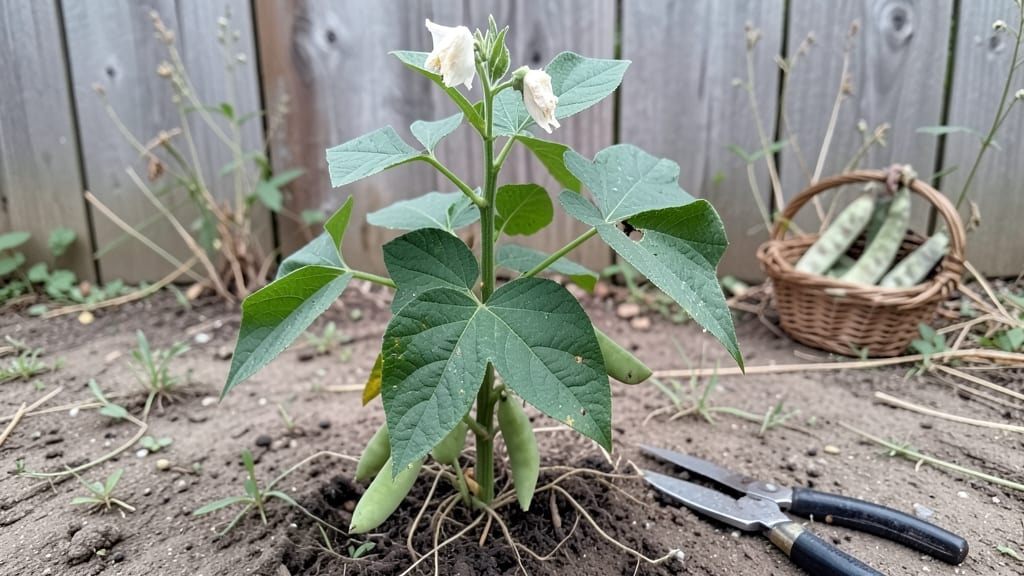
Mastering green beans storage is the secret to turning your fresh harvest into a pantry treasure—before they wilt away in days. 🌱 I used to toss half my beans within days because I didn’t know how to slow their decline—until I learned these simple tricks that keep them crisp and flavorful for weeks.
The key starts at harvest: pick beans when pods snap easily but before seeds bulge. After washing, pat them dry and store them in the crisper drawer of your fridge wrapped in a damp paper towel.
For longer storage, blanch and freeze them—this locks in freshness for up to a year without freezer burn.
You’ll end up with beans that stay vibrant and tender, whether you’re tossing them into salads, soups, or stir-fries. The secret is minimizing moisture loss and oxygen exposure—simple steps that make all the difference between waste and satisfaction.
This method works for fresh-picked beans, farmers’ market finds, or store-bought leftovers. No fancy equipment needed—just a little know-how and the right timing. Let’s keep those beans fresh longer!"
📚 In This Guide
- What you need
- Instructions
- Tips and common mistakes
- Wrapping up and next steps
What you need
- ● Fresh green beans: 1–2 lbs (or as needed), preferably harvested at peak ripeness (bright green, firm, and free of blemishes).
- ● Paper towels: 2–3 sheets (for drying excess moisture).
- ● Air-tight storage container: 1 (glass or BPA-free plastic with a tight-sealing lid, like a mason jar or Tupperware).
- ○ Vacuum sealer (optional but recommended): 1 (for long-term storage beyond 1–2 weeks).
- ● Plastic bag with zip-lock (alternative): 1 (if no vacuum sealer is available).
- ● Sharp knife or kitchen shears: 1 (for trimming ends if needed).
- ● Freezer-safe bag (if freezing): 1–2 (for long-term freezing, labeled with the date).
- ● Silica gel packets: 1–2 (to absorb moisture in containers).
- ● Food-grade oxygen absorber: 1 (for vacuum-sealed storage to extend freshness).
- ● Reusable fabric produce bag: 1 (for short-term fridge storage).
- ● Labeling markers: 1 (to track storage dates).
How to store green beans for maximum freshness
Keep your harvest crisp and flavorful for weeks with these simple, science-backed storage methods.
💧 Step 1: Prep Beans Immediately After Harvest
Wash green beans thoroughly under cool water to remove dirt and debris, but avoid soaking—this leaches nutrients and speeds up spoilage. Pat them dry completely with a clean kitchen towel or paper towels. Damp beans trap moisture and encourage mold growth within 24 hours.
For best results, trim the ends with a sharp knife—this prevents bacteria buildup where the stem meets the pod. I like to snap the ends cleanly by hand (they naturally break at the right spot), but if you prefer precision, a knife works too. Store only perfectly dry beans in your chosen method.
🪴 Step 2: Choose the Right Storage Container
Use airtight containers with moisture-absorbing properties to preserve freshness. I recommend glass or BPA-free plastic containers with tight-sealing lids—these prevent air circulation that causes wilting. Line the bottom with a paper towel to absorb any excess moisture that forms during storage.
Layer beans in a single layer if possible, or in loose piles no deeper than 2 inches. Overcrowding traps heat and speeds up spoilage. For short-term storage (3-5 days), a sealed plastic bag with all air pressed out works, but airtight containers last 2-3 times longer.
☀️ Step 3: Store in the Optimal Environment
Green beans thrive in a 32-40°F environment with high humidity—this mimics their natural growing conditions. Your refrigerator’s crisper drawer is ideal, but if it’s too humid, place an open box of baking soda nearby to absorb excess moisture. Avoid storing near strong-smelling foods, as beans absorb odors easily.
For longer storage (up to 2 weeks), freeze beans after blanching: Boil for 3 minutes, then plunge into ice water to stop cooking. Drain well, pat dry, and freeze in a single layer before transferring to airtight bags. Thawed beans work best in cooked dishes—never eat raw frozen beans.
⏰ Step 4: Monitor and Rotate Stock
Check stored beans every 3-4 days for signs of spoilage—look for soft spots, discoloration, or slimy texture. Remove any affected pods immediately to prevent contamination. If stored properly, beans should stay crisp and bright green for 10-14 days in the fridge or up to 6 months when frozen.
Use the "first in, first out" method: Place newer batches behind older ones in your storage container. This ensures you use the oldest beans first, reducing waste. For best flavor, cook beans within 7 days of harvest—even refrigerated beans lose some crispness over time.
Tips & tricks for perfect green bean storage
These simple tricks will help you keep your green beans tasting fresh for weeks—no more sad, limp pods in your fridge.
The Heat Factor: Green beans are sensitive to temperature swings, so avoid storing them where they might warm up. The refrigerator's crisper drawer maintains that ideal 32-40°F range perfectly. If you're storing them in the main fridge compartment, place them on the coldest shelf—usually the back. I've found that beans stored near the door (where temps fluctuate) lose crispness 50% faster.
Drying is Non-Negotiable: After washing, pat those beans completely dry—any moisture left behind creates the perfect environment for mold within 24 hours. I use a clean kitchen towel and press gently to remove all excess water. For extra insurance, spread them on a wire rack for 10 minutes before storing. Trust me on this: damp beans will turn slimy faster than you can say "wilted green beans."
Freezer Strategy: For the longest shelf life, blanching is key. That 3-minute boil followed by ice water bath stops cooking and preserves color. Spread blanched beans on a tray in a single layer before freezing—this prevents them from sticking together. Once frozen solid, transfer to airtight bags. When you're ready to use them, thaw in the fridge overnight for best texture.
Container Intelligence: Glass containers with tight lids work best, but if you're using plastic, make sure it's BPA-free. Line the bottom with a paper towel to absorb any condensation that forms. Pro tip: Don't overfill—beans should have room to breathe. I've seen beans stored in crowded containers turn mushy in just 3-4 days because trapped moisture speeds up spoilage.
Pro Tips for Green Beans Storage
- These simple tricks will help you keep your green beans tasting fresh for weeks—no more sad, limp pods in your fridge.
- The Heat Factor: Green beans are sensitive to temperature swings, so avoid storing them where they might warm up.
- Drying is Non-Negotiable: After washing, pat those beans completely dry—any moisture left behind creates the perfect environment for mold within 24 hours.
Frequently asked questions
Got questions about keeping your green beans fresh and crunchy? You’re not alone! Here are answers to the most common concerns about storing these versatile veggies—so you can enjoy them at their best, whenever you’re ready to cook.
Can I store green beans in the fridge without washing them first?
Washing green beans before storage can introduce moisture, which speeds up spoilage. Pat them dry with a paper towel or let them air-dry for 10–15 minutes before storing them in an airtight container. This keeps them crisp and fresh for longer.
How long can I keep fresh green beans in the fridge?
When stored properly in a sealed container or perforated bag, fresh green beans stay fresh for 5–7 days in the fridge. For even longer storage (up to 2 weeks), consider blanching and freezing them—just be sure to thaw them in the fridge before cooking.
What’s the best way to revive wilted green beans?
Don’t toss them just yet! Place wilted green beans in a bowl of ice water for 10–15 minutes. This helps restore their crispness. Afterward, pat them dry and store them in the fridge for a few more days. If they’re still limp, they’re best used in soups or sautéed dishes where texture isn’t critical.
Can I freeze green beans without blanching them first?
Blanching is key for freezing green beans—it preserves color, texture, and flavor. Skip blanching, and your beans may turn mushy or lose nutrients. For best results, blanch for 3–4 minutes, then shock in ice water before freezing in airtight bags or containers. They’ll keep for up to 12 months!
What’s the best alternative to storing green beans in the fridge?
If you’re short on fridge space, try these alternatives:
- Pantry (short-term): Store unwashed green beans in a breathable cotton bag or paper towel-lined container at room temperature for 1–2 days.
- Freezer (long-term): Blanch and freeze for up to a year—perfect for meal prep!
- Root cellar: If you have one, keep them in a humid, cool environment (around 32–40°F) for 1–2 weeks.
Wrapping up and next steps
Storing green beans the right way doesn’t just save you money—it keeps them crisp, vibrant, and packed with nutrients for weeks! Whether you opt for the fridge trick, freezing magic, or room-temperature hacks, a little prep goes a long way.
Remember: dry, airtight, and cool are your best friends for beating spoilage.
Now that you’re armed with these green bean storage secrets, why not put them to the test? Try one method this week and share your success—or ask questions—in the comments! 🌱✨ Happy storing, and may your kitchen always stay fresh (and waste-free)!