
Flowers
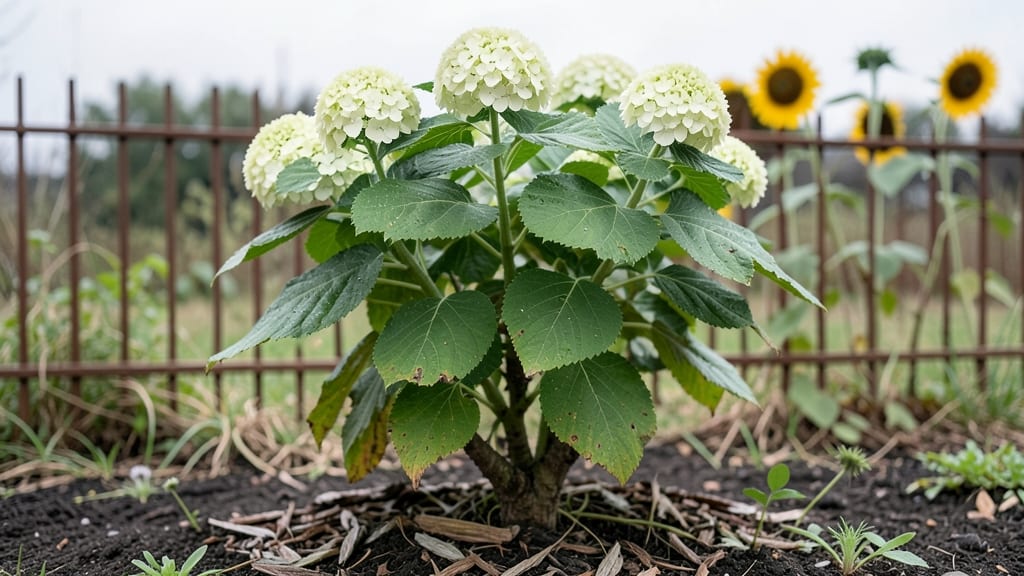
Finding the perfect green shrub with white flowers changed my garden forever—it’s the kind of plant that blooms reliably, attracts pollinators, and stays lush all season long.
The one I love most is mock orange, with its glossy leaves and intensely fragrant blossoms that smell like spring in a bottle.
It’s not just pretty; it’s a workhorse that thrives in partial shade or full sun, making it perfect for borders, hedges, or even as a standalone statement plant.
Here’s the thing—these shrubs aren’t just about looks. They’re pollinator magnets, drawing bees and butterflies while keeping your garden buzzing with life. Mock orange, for example, blooms in late spring and again in fall, giving you double the beauty.
Pair it with purple coneflowers or salvia for a color contrast that pops, or let it stand alone as a fragrant focal point near your patio where you can enjoy the scent up close.
Once established, they’re low-maintenance powerhouses—just prune lightly after flowering to keep them tidy. The key is choosing the right spot: most prefer well-draining soil and regular water until roots take hold.
With the right placement, you’ll have a fragrant, four-season garden staple that requires almost no effort to keep stunning. Let’s talk specifics next!
These shrubs work equally well in formal gardens or wild, cottage-style beds. For a textured look, pair them with evergreen shrubs like boxwood or ornamental grasses for movement.
In containers, they add height and drama to decks or entryways—just pick a variety that fits your space. The best part? They age gracefully, gaining character year after year.
When Blooms Stay Hidden
Your green shrub with white flowers might be holding back its beauty for several key reasons—some tied to nature, others to care habits. Understanding these triggers helps you coax vibrant blooms into view. Here’s why your shrub might be playing hard to bloom:
White-flowering shrubs like Deutzia, Pieris, or Abelia thrive in full sun to partial shade. If they’re tucked under dense tree canopies or shaded by structures, they’ll prioritize leafy growth over flowers—because photosynthesis fuels both, but flowers demand extra energy.
- 🔍 Signs: Lush foliage but sparse or no blooms; leggy, stretched stems reaching for light.
- 💡 Fix:
- Move the shrub to a sunnier spot (6+ hours of direct light for most varieties).
- Thin nearby trees or prune overhanging branches to increase light penetration.
- For container shrubs, place them near south- or west-facing windows.
- ⚠️ Caution: Some shrubs (e.g., Pieris japonica) tolerate morning sun + afternoon shade, but avoid harsh afternoon heat in hot climates.
Timing matters! Pruning at the wrong season can remove next year’s flower buds before they form. Many white-flowering shrubs (like Weigela or Forsythia) bloom on old wood, meaning buds set in late summer/fall for spring blooms. Cutting back after flowering severs these buds.
- 🔍 Signs: No blooms for 1–2 years after pruning; sparse or stunted growth.
- 💡 Fix:
- Prune immediately after flowering (e.g., spring for Deutzia, late spring for Abelia).
- Avoid heavy cuts in late summer/fall—this removes next year’s buds.
- For new wood bloomers (like Weigela), prune in late winter to encourage fresh growth.
- 📝 Pro Tip: Research your shrub’s blooming type—USDA’s pruning guide is a great resource!
Flowering is energy-intensive, and shrubs need balanced hydration and nutrients to fuel blooms. Too much or too little water, or a lack of key nutrients, forces the plant to focus on survival over reproduction.
| Issue | Signs | Solution |
|---|---|---|
| Underwatering | Wilting, crispy leaf edges, slow growth. | Water deeply 1–2x/week (check soil moisture 2" below surface). Use mulch to retain moisture. |
| Overwatering | Yellowing leaves, root rot (mushy stems), foul smell. | Let soil dry slightly between waterings; improve drainage with perlite or sand. |
| Nutrient Deficiency (e.g., phosphorus) | Dark green leaves but no flowers; weak stems. | Apply a balanced fertilizer (10-10-10) in early spring, or a phosphorus-rich formula (5-10-5) for blooms. |
💡 Bonus: A light Epsom salt spray (1 tbsp/gallon) can boost magnesium, which aids flowering.
Pests like spider mites, scale insects, or diseases such as powdery mildew sap a shrub’s energy. When stressed, the plant redirects resources to recovery, leaving no energy for flowers.
- 🔍 Common Culprits:
- Spider mites: Tiny webs on undersides of leaves.
- Scale insects: Sticky residue (honeydew) on stems.
- Powdery mildew: White, powdery coating on leaves.
- 💡 Fix:
- Spray affected areas with neem oil (mix 1 tbsp/quart water) or insecticidal soap.
- Prune and dispose of heavily infested branches.
- Improve airflow with light pruning to reduce humidity.
- ✨ Prevention: Apply copper fungicide in spring to prevent mildew.
With these adjustments, your shrub should start showcasing those fragrant white blooms in no time! 🌸
Reviving your blooming shrub
If your fragrant, white-flowering shrub is struggling—whether it’s wilting, sparse, or not blooming as expected—don’t despair! With the right care, you can nurse it back to health and restore its lush, pollinator-friendly charm.
Below, we’ve mapped out practical solutions for common issues, along with preventive tips to keep your shrub thriving long-term.
If your shrub’s roots are soggy or starved for nutrients, it’s time to give them a better home.
🔥 Step 1: Test Your Soil
- Dig a small hole near the shrub’s base and check the soil’s moisture after a rain.
If water pools or drains very slowly, you’ve got poor drainage. - Use a soil test kit (available at garden centers) to check pH and nutrient levels. Most flowering shrubs prefer slightly acidic to neutral soil (pH 6.0–7.0).
🍳 Step 2: Amend the Soil
- For clay-heavy or compacted soil:
- Mix in 2–3 inches of compost or aged manure into the top 12 inches of soil.
- Add coarse sand or perlite (1 part sand to 3 parts soil) to improve drainage.
- For sandy or nutrient-poor soil:
- Blend in peat moss or coconut coir to retain moisture and nutrients.
- Top-dress with a slow-release organic fertilizer (like 10-10-10) in early spring.
👨🍳 Step 3: Improve Drainage (If Needed)
- If waterlogging is a persistent problem, consider raising the planting bed by 6–12 inches or installing a French drain nearby.
- Pro tip: 💡 Plant your shrub on a mound rather than in a hole to encourage better root aeration.
Overwatering or underwatering can both stress your shrub. Let’s strike the right balance!
🔥 Step 1: Check Watering Habits
- Underwatering signs: Wilting leaves, crispy edges, or soil pulling away from the pot (if container-grown).
- Overwatering signs: Yellowing leaves, mushy stems, or a foul smell around the base.
🍳 Step 2: Adjust Your Watering Routine
- For new plantings: Water deeply 2–3 times per week for the first month to encourage root growth.
- For established shrubs: Water 1–2 inches per week (including rainfall).
Use the "finger test"—stick your finger 2 inches into the soil; if it’s dry, it’s time to water. - Best time to water: Early morning (6–10 AM) to reduce evaporation and fungal risks.
👨🍳 Step 3: Upgrade Your Irrigation
- Use a soaker hose or drip irrigation to deliver water slowly at the root zone.
- Avoid overhead sprinklers, which can promote fungal diseases like powdery mildew.
- Pro tip: ✨ Mulch with 2–3 inches of organic mulch (like shredded bark) to retain moisture and regulate soil temperature.
Pests like aphids, spider mites, or fungal infections (e.g., powdery mildew) can sap your shrub’s energy. Here’s how to tackle them naturally.
🔥 Step 1: Identify the Problem
| Issue | Signs to Look For | Likely Culprit |
|---|---|---|
| Sticky leaves | White, waxy residue or ants | Aphids |
| Yellowing, curling leaves | Fine webbing on undersides | Spider mites |
| White powdery coating | Fuzzy growth on leaves/stems | Powdery mildew |
| Holes in leaves | Irregular chew marks | Japanese beetles |
🍳 Step 2: Treat Infestations
- For aphids/spider mites:
- Blast off pests with a strong stream of water from a hose.
- Spray with neem oil (1 tsp per quart of water) or insecticidal soap.
- For powdery mildew:
- Remove heavily infected leaves.
- Apply a baking soda spray (1 tsp baking soda + 1 quart water + a drop of dish soap).
- Improve airflow by pruning dense branches or spacing plants farther apart.
- For beetles/caterpillars:
- Handpick visible pests (drop them in soapy water!).
- Use row covers or pyrethrin-based sprays (follow label instructions).
👨🍳 Step 3: Prevent Future Outbreaks
- Encourage beneficial insects: Plant marigolds, lavender, or dill nearby to attract ladybugs and lacewings.
- Prune regularly: Remove dead or diseased branches to reduce hiding spots for pests.
- Pro tip: 🌡️ Water the base of the plant (not the leaves) to minimize fungal spores splashing upward.
If your shrub looks leggy, overgrown, or isn’t flowering well, strategic pruning can work wonders.
🔥 Step 1: Prune at the Right Time
- For spring-blooming shrubs (e.g., lilac, mock orange): Prune right after flowering to avoid cutting off next year’s buds.
- For summer/fall bloomers (e.g., abelia, weigela): Prune in early spring before new growth starts.
🍳 Step 2: Follow the “Thirds Rule”
- Remove 1/3 of the oldest stems at the base to encourage younger, more vigorous growth.
- Trim back overly long branches by cutting just above a leaf node (the bump where leaves attach).
- Shape lightly: Avoid shearing into a tight, formal hedge—this can reduce flowering.
👨🍳 Step 3: Clean Up Like a Pro
- Sterilize pruners with rubbing alcohol between cuts to prevent disease spread.
- Dispose of diseased branches in the trash (not the compost).
- Pro tip: 🎯 Use sharp, bypass pruners for clean cuts—dull blades crush stems, inviting infections.
Once your shrub is back on track, these habits will help it stay healthy and blooming for years.
- Fertilize wisely: Use a balanced, slow-release fertilizer (like 10-10-10) in early spring and mid-summer. - Monitor sunlight: Most white-flowering shrubs need full sun to partial shade (6+ hours of sun).
Adjust placement if leaves yellow or growth stunts. - Watch for nutrient deficiencies: - Yellow leaves with green veins? → Likely iron deficiency (add iron chelate or compost). - Purple-tinged leaves? → Phosphorus deficiency (use bone meal or a bloom booster). - Protect from extreme weather: In winter, wrap young shrubs with burlap if your climate dips below 10°F.
In summer, provide afternoon shade in scorching regions.
With these targeted fixes, your fragrant, white-flowering shrub should bounce back stronger than ever—ready to attract pollinators and brighten your garden for seasons to come! 🐝🌸
Frequently asked questions
Which green shrubs with white flowers are best for attracting pollinators?
Mock orange and deutzia are top choices—both produce fragrant white blooms that bees and butterflies adore. Pieris japonica (andromeda) also works well, offering early spring color when pollinators emerge. For extended blooming, try abelia, which flowers from summer to fall.
How do I choose the right spot for a white-flowering shrub?
Most need 6+ hours of sunlight daily for best blooms, but pieris and hydrangea tolerate partial shade. Check your shrub’s specific needs—mock orange thrives in full sun, while deutzia prefers morning sun with afternoon shade in hot climates. Always ensure well-draining soil to prevent root rot.
Can I grow these shrubs in containers?
Dwarf varieties like miniature mock orange or compact deutzia work perfectly in 15–20 gallon pots. Use a lightweight potting mix with perlite, and repot every 2–3 years to refresh nutrients. Place containers where they’ll get their required sunlight—patios, balconies, or near entryways.
Why isn’t my white-flowering shrub blooming this year?
Common causes include over-pruning (cutting back after flowering), poor sunlight, or nutrient deficiencies. For shrubs like weigela or forsythia, prune immediately after blooming—never in late fall. Test your soil and add phosphorus-rich fertilizer (like 5-10-5) in early spring to encourage flowers.
What’s the best way to pair white-flowering shrubs with other plants?
For contrast, plant purple coneflowers or salvia nearby—their bold colors make white blooms pop. For texture, add ornamental grasses (like maiden grass) or evergreen shrubs (like boxwood). In containers, combine with trailing ferns or petunias for a cascading effect.