
Shrubs
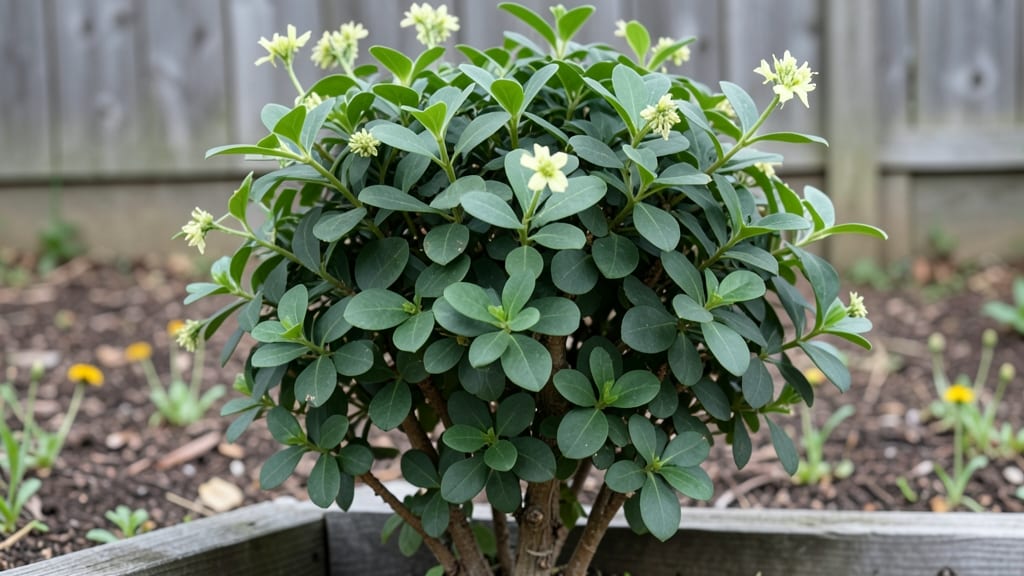
That greenish-yellow shrub lighting up your yard isn’t just pretty—it’s a year-round foliage superstar like forsythia or golden privet that turns heads every season. 🌿 I’ve grown enough of these to know the secret isn’t just picking the right plant. but matching it to your light and soil.
The wrong spot turns vibrant foliage dull, but get it right and you’ll have a shrub that stays strikingly bright even in winter.
Most of these shrubs thrive in full sun to partial shade, with well-draining soil that won’t drown their roots. Watering once a week—more in extreme heat—keeps them lush without the fuss of constant care.
Prune right after flowering to shape them, and you’ll encourage even denser growth next year. The key? Don’t overdo it—these shrubs handle neglect better than most.
You’ll love how they stand out against dark evergreens or bold annuals, adding sunny pops of color when other plants fade. Just watch for spider mites in dry weather and powdery mildew if air circulation’s poor—both fixable with a simple spray.
With the right care, your shrub will be the envy of the neighborhood, blooming or not.
Perfect for hedges, borders, or as a standalone showstopper. Whether you’re after bold texture or a low-maintenance focal point, these shrubs deliver—no green thumb required. Let’s pick the perfect one for your space!
The Hidden Triggers Behind Foliage Shifts
That stunning greenish yellow shrub you adore isn’t just a stroke of luck—it’s a response to its environment. Whether your plant is flaunting buttery hues or struggling to maintain its vibrancy, the reason often lies in a mix of biological signals and care oversights.
Let’s break down the science behind why your shrub’s leaves turn this eye-catching shade, from natural processes to human-made mistakes.
Plants are like chefs—they need the right ingredients to produce their signature dish. When your shrub’s leaves shift to greenish yellow, it’s often a cry for help from its roots. Here’s what’s likely missing (or overdone):
- Chlorosis Alert: Yellowing between leaf veins? That’s classic iron deficiency, a condition called interveinal chlorosis. Iron helps create chlorophyll (the green pigment), so without it, leaves turn pale yellow. Alkaline soil (pH >7.0) locks out iron, even if it’s present.
- Nitrogen Overload: Too much nitrogen (from fertilizers) can dilute chlorophyll, turning leaves a dull, sickly yellow-green. Think of it as food coloring in water—too much weakens the hue.
- Magnesium & Manganese: These minerals are the supporting actors in chlorophyll production. A deficiency in either can cause yellowing, especially on older leaves (magnesium) or new growth (manganese).
Actionable Fix: Test your soil’s pH and nutrient levels with a DIY kit or lab analysis. For alkaline soil, amend with chelated iron or sulfur to lower pH. Use a balanced fertilizer (10-10-10) and avoid over-fertilizing.
Light is the energy source for photosynthesis, but too little or too much can throw your shrub’s color balance off. Here’s how:
- Shade Stress: In low-light conditions, shrubs stretch toward light (etiolation), producing larger, paler leaves with less chlorophyll. This creates that washed-out greenish yellow look.
- Sun Scorch: Excessive direct sun (especially in hot climates) can bleach leaves or cause yellowing at the edges. The shrub’s protective pigments (like anthocyanins) may fade, leaving a dull, yellow-green cast.
- Seasonal Shifts: Some shrubs naturally lighten in winter due to reduced sunlight. If your plant stays in the same spot year-round, it might be adapting to seasonal light changes.
Actionable Fix:
- 🌿 Move it gradually to a spot with dappled sunlight (4–6 hours of morning sun + afternoon shade).
- 🌡️ Use shade cloth (30–50%) if in intense heat to prevent bleaching.
- ✨ Reflective surfaces (like white walls or mirrors) can bounce extra light to shade-loving shrubs.
Water is the lifeblood of your shrub, but too much or too little can turn its leaves into a greenish yellow mess. Here’s how:
| Issue | What Happens | Fix It |
|---|---|---|
| Overwatering | Roots drown, cutting off oxygen. This triggers chlorosis as the plant can’t absorb nutrients (especially iron). Leaves may also yellow and drop. | ⏰ Check soil moisture before watering—stick your finger 2 inches deep. If damp, wait 2–3 days. Improve drainage with perlite or sand. |
| Underwatering | Leaves curl and wilt, then turn dull yellow-green as chlorophyll breaks down. The edges may brown and crisp. | 💧 Water deeply but infrequently—aim for 1–1.5 inches per week (adjust for climate). Use mulch to retain moisture. |
| Hard Water | High calcium/magnesium in hard water can bind iron, causing yellowing even if you fertilize. Common in tap water. | 🔄 Use rainwater or distilled water for potted shrubs. For garden beds, flush soil with vinegar (1 cup per gallon of water) to dissolve mineral buildup. |
Not all yellowing is about nutrients or light—sometimes, tiny invaders are hijacking your shrub’s energy. Watch for these culprits:
- Spider Mites & Aphids: These sap-sucking pests damage leaf cells, causing stippling or yellow patches. They thrive in dry, dusty conditions.
- Fungal Infections: Powdery mildew or leaf spot can turn leaves yellow-green as the plant diverts energy to fight disease. Look for white fuzzy growth or dark spots.
- Root Rot: Fungal infections from overwatering attack roots, starving the shrub of nutrients. Leaves yellow from the bottom up.
Actionable Fix:
- 🔍 Inspect leaves under a magnifying glass for pests. Spray with neem oil or insecticidal soap.
- 🌿 Prune infected leaves and sterilize shears with rubbing alcohol.
- 💡 Improve airflow by spacing plants and avoiding dense mulch layers.
Pro Tip: 🌡️ Temperature swings (like sudden cold snaps) can also trigger temporary yellowing. If your shrub is hardy to your zone, this is usually harmless—just monitor for other symptoms.
Revive Your Shrub’s Vibrant Glow
If your once-lush greenish-yellow shrub is looking lackluster or struggling, don’t panic—there’s always a way to bring back its radiant charm! The key is identifying the root cause (whether it’s disease, pests, or environmental stress) and taking targeted action.
Below, we’ve mapped out practical fixes for common issues, along with prevention tips to keep your shrub thriving for seasons to come.
If your shrub’s leaves are turning yellowish and mushy, or the soil feels soggy, it’s likely drowning in excess moisture. Poor drainage or overzealous watering can suffocate roots and invite fungal infections.
How to Fix It:
- 🔥 Check the Soil: Dig a finger-deep into the soil. If it’s damp after 24 hours, you’re overwatering. Aim for consistently moist but not waterlogged soil.
- 🍳 Improve Drainage: Amend heavy clay soil with compost or perlite to help water drain faster. For container plants, ensure pots have drainage holes.
- 👨🍳 Adjust Watering: Water deeply but less frequently. Let the top 1–2 inches of soil dry out between waterings.
- ⏰ Repot if Needed: If the shrub is in a pot, choose one with better drainage or add a layer of gravel at the bottom.
Prevention Tips:
- 💡 Test your soil’s drainage by filling a pot with soil and water—if water pools at the bottom after 30 minutes, improve drainage.
- ✨ Mulch wisely—use organic mulch (like bark chips) to retain moisture without smothering the roots.
A sticky residue on leaves, tiny webs, or holes in foliage? Pests are likely sapping your shrub’s vitality. Yellowing leaves can be a sign of stress from these unwanted guests.
How to Fix It:
- 🔥 Inspect Closely: Use a magnifying glass to spot pests on the undersides of leaves or along stems.
- 🍳 Blast Off Pests: Spray leaves with a strong stream of water to dislodge aphids or spider mites. Repeat every few days.
- 👨🍳 Neem Oil Solution: Mix 1 tsp neem oil + 1 tsp mild soap in 1 quart of water. Spray thoroughly (test on a small area first).
- 🔪 Prune Infested Areas: Trim and dispose of heavily damaged leaves or stems to prevent spread.
Prevention Tips:
- 💡 Encourage beneficial insects like ladybugs or lacewings—they’re natural pest predators!
- 🌡️ Avoid over-fertilizing—excess nitrogen attracts soft-bodied pests like aphids.
If your shrub’s leaves are yellowing with crispy edges, especially in hotter months, it might be getting too much direct sun. Many greenish-yellow shrubs thrive in partial shade.
How to Fix It:
- 🔥 Provide Shade: Move potted shrubs to a spot with morning sun and afternoon shade. For in-ground plants, install a temporary shade cloth (30–50% coverage).
- 🍳 Water Deeply: Increase watering during heatwaves, focusing on the root zone (not just leaves).
- 👨🍳 Mulch Generously: Apply 2–3 inches of mulch around the base to retain moisture and cool roots.
Prevention Tips:
- 🎯 Choose the right location—research your shrub’s native sunlight needs before planting.
- ✨ Gradual acclimation—if moving a shrub to a sunnier spot, do it slowly over a week to avoid shock.
White powdery spots, orange rust patches, or yellowing leaves with dark spots? Fungal diseases thrive in humid conditions and can turn your shrub’s vibrant hues into a sad, sickly sight.
How to Fix It:
- 🔥 Prune Infected Leaves: Remove and dispose of (not compost) affected foliage immediately.
- 🍳 Fungicide Spray: Use a copper-based or sulfur fungicide (follow label instructions). For organic options, try a baking soda spray (1 tsp baking soda + 1 quart water + a drop of soap).
- 👨🍳 Improve Airflow: Thin out dense branches or move nearby plants to reduce humidity around the shrub.
- ⏰ Water at the Base: Avoid overhead watering, which spreads fungal spores.
Prevention Tips:
- 💡 Space plants properly—crowded shrubs trap moisture and encourage fungal growth.
- 🌡️ Water early in the day so leaves dry quickly, reducing humidity.
With these targeted solutions, your greenish-yellow shrub should bounce back to its former glory in no time. Remember, consistency is key—whether it’s adjusting watering habits, pest control, or sunlight exposure, small changes add up to big results. Happy gardening! 🌿✨
Frequently asked questions about golden foliage shrubs
Which shrubs have naturally greenish-yellow leaves?
Top choices include Forsythia (bright yellow spring blooms), Golden Privet (evergreen golden foliage), and Butterfly Bush (variegated yellow-green leaves). For year-round color, Dwarf Golden Euonymus or Variegated Boxwood are excellent picks.
How do I prevent my shrub's leaves from turning dull yellow?
Check your soil pH—alkaline conditions block iron uptake. Use chelated iron supplements if needed, and avoid over-fertilizing with nitrogen. For potted plants, switch to rainwater if your tap water is hard.
Can I grow these shrubs in containers?
Yes! Most golden foliage shrubs thrive in containers with well-draining potting mix and 12-inch pots for mature plants. Choose varieties like Dwarf Forsythia or Golden Privet—they handle container life beautifully with regular pruning.
Why are my shrub's leaves yellowing at the edges?
This often signals underwatering or sunburn. Water deeply when the top 1-2 inches of soil feels dry, and provide afternoon shade during peak summer heat. Mulch helps retain moisture and prevents temperature swings.
Are golden shrubs deer-resistant?
Most aren't completely deer-proof, but Boxwoods and Privet varieties are less appealing. For better protection, add deer repellent sprays or surround with thorny plants like Barberry.