
Companion Plants
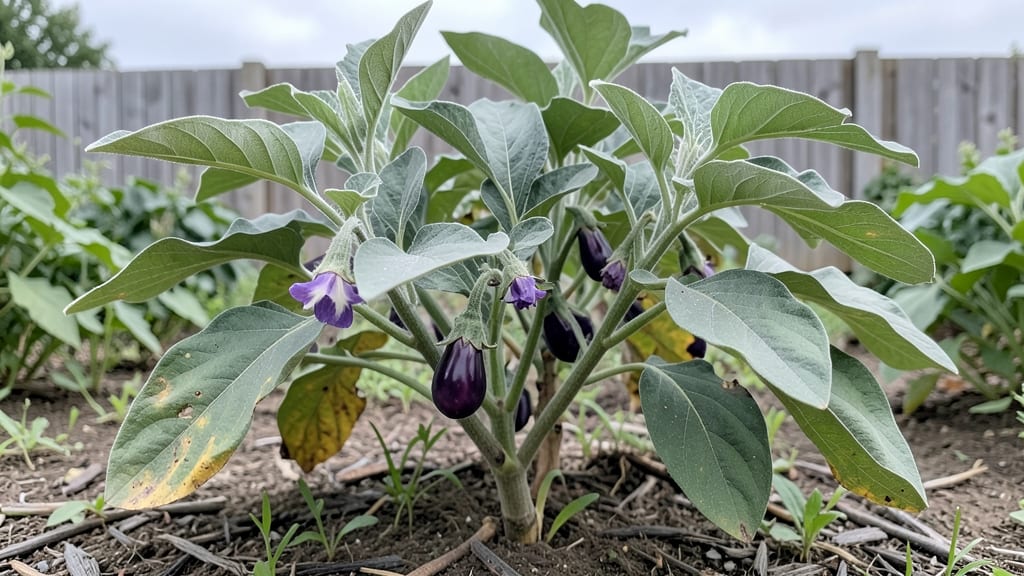
Growing eggplant plants from seed to harvest is one of those gardening victories that feels like cheating—glossy purple fruit growing right in your backyard. 🌿 I’ve learned the hard way that eggplants demand heat, patience, and just the right soil mix, but once you crack the code, they reward you with fruit that’s shockingly productive for a vegetable this dramatic.
The secret starts with 6-8 weeks of warmth before transplanting, whether you’re starting seeds indoors or buying sturdy young plants. Eggplants thrive in full sun (at least 6-8 hours daily) and well-draining soil—think rich compost mixed with a handful of aged manure.
Containers work too, as long as they’re at least 12 inches deep and wide enough for sturdy stems. My first attempt in a 5-gallon pot? Disaster. Lesson learned.
By midsummer, you’ll be harvesting eggplants the size of softballs—firm, glossy, and ready to use. The key is consistent watering (keep soil moist but not soggy) and regular pruning to encourage bushier growth.
Even my black thumb can’t kill these once they get going. The first harvest feels like a personal triumph, especially when neighbors ask where you got them.
This method works for containers, raised beds, or in-ground gardens, though heavier varieties like ‘Black Beauty’ need more space. Just watch for squash vine borers—cover young plants with row fabric until they’re established. Ready to grow your own? Let’s get those seeds in the ground!
📚 In This Guide
- What you need
- Instructions
- Tips and common mistakes
- Wrapping up and next steps
What you need
- ● Eggplant seeds or seedlings: 3–5 plants (choose disease-resistant varieties like 'Black Beauty' or 'Ichiban').
- ● Well-draining potting mix: 10–20 lbs (for containers) or enriched garden soil (amend with compost).
- ● Containers (if growing in pots): 5-gallon pots or larger (at least 12–18 inches deep).
- ● Organic fertilizer: Balanced 10-10-10 or compost (for nutrient-rich soil).
- ● Mulch: Straw or shredded leaves (to retain moisture and suppress weeds).
- ○ Support stakes or cages: (Optional but helpful for heavier varieties like 'Rosa Bianca').
- ● Gloves & trowel: For planting and soil prep.
- ● Watering can or hose: With a gentle spray nozzle.
- ● Pruning shears: For trimming excess foliage.
- ○ Row cover or shade cloth: (Optional, for young plants in hot climates).
- ○ pH test kit: (Optional, to ensure soil pH is 6.0–6.8).
Step-by-Step instructions for growing eggplant plants
Eggplants thrive with heat and patience—here's how to coax those glossy purple fruits from seed to harvest.
🌱 Step 1: Start Seeds Indoors 8-10 Weeks Before Last Frost
Fill seed trays with the seed-starting mix and moisten it until damp but not soggy. Press the soil surface lightly so it's firm enough to hold seeds without sinking. Plant 2-3 seeds per cell at a depth of ¼ inch, as eggplant seeds need darkness to germinate properly. Cover lightly with additional mix and mist gently with water.
Place the trays in a warm spot—eggplants germinate best at 75-85°F. A seedling heat mat speeds this process dramatically. Keep the soil consistently moist but never waterlogged; overwatering at this stage invites damping-off, which will rot young stems before they emerge. You'll see sprouts in 7-14 days, though cooler rooms may take longer.
☀️ Step 2: Provide Bright Light and Harden Off Seedlings
Once seedlings emerge, move them to a south-facing window or under grow lights positioned 2-3 inches above the plants. Eggplants need 12-14 hours of light daily to avoid leggy growth. If stems stretch excessively or leaves pale, your light source isn't strong enough—adjust immediately. Rotate trays quarter-turn daily to prevent leaning toward the light.
Two weeks before transplanting, begin hardening off seedlings by placing them outside in partial shade for 1-2 hours. Gradually increase exposure over 7-10 days, ending with a full day in sunlight. This acclimation prevents transplant shock, which can stunt growth or cause wilting. Watch for dark green, sturdy stems—this signals readiness for the garden.
🪴 Step 3: Transplant to Containers or Garden Beds
Choose a location with full sun (6+ hours daily) and well-draining soil. For containers, use pots at least 12 inches deep and wide—eggplants have deep root systems. Fill with potting mix amended with compost for fertility. Transplant seedlings 18-24 inches apart in rows spaced 24-36 inches apart to allow airflow and reduce disease risk.
Dig holes slightly deeper than the root ball and place seedlings at the same depth they grew in trays. Gently firm soil around the base to eliminate air pockets, then water deeply. Mulch with straw to retain moisture and suppress weeds. Eggplants are heavy feeders, so mix in slow-release fertilizer at planting time to support vigorous growth.
💧 Step 4: Water and Fertilize for Maximum Yield
Water eggplants deeply 1-2 times weekly, ensuring the top 2 inches of soil dry out between waterings. Overhead watering can spread fungal diseases, so water at the base early in the day. You'll know moisture is right when the soil feels damp but not saturated—eggplants hate soggy roots. Yellowing lower leaves often signal overwatering, while wilting indicates thirst.
Feed plants every 2-3 weeks with balanced liquid fertilizer (10-10-10) diluted to half strength. Prune suckers—those small shoots forming in leaf axils—to direct energy to fruit production. Remove any yellow or diseased leaves immediately to prevent spread. With proper care, you'll see flower buds in 6-8 weeks and fruit in 2-3 months after transplanting.
✂️ Step 5: Harvest and Extend the Season
Harvest eggplants when they reach full color and feel firm to the touch. Use a sharp knife or pruners to cut stems ½ inch above the fruit, leaving the calyx intact. Overripe eggplants become seedy and bitter—check plants every 2-3 days during peak production. Store harvested fruit in a cool, dark place for up to 1 week or refrigerate for longer shelf life.
To extend the season, protect plants from early frosts with row covers or move containers indoors before temperatures drop below 50°F. Eggplants are sensitive to cold, so a single frost will blacken leaves and halt production. With proper care, a single plant yields 5-10 pounds of fruit—enough for multiple meals or sharing with neighbors.
Tips & tricks for perfect eggplant growth
Eggplant cultivation rewards patience—here's how to avoid common pitfalls and maximize your harvest.
Germination Temperature: The 75-85°F range in Step 1 is non-negotiable for reliable germination. I've seen seeds fail to sprout when kept below 70°F, so if your home stays cooler, use a seedling heat mat or place trays on top of the fridge. Consistency matters more than exact degrees—just keep the soil warm and moist. For faster results, try soaking seeds overnight in water before planting.
Lighting Strategy: Those 12-14 hours of light in Step 2 are crucial for preventing leggy seedlings. I recommend supplementing natural light with LED grow lights if your window isn't sufficient. Position lights just 2-3 inches above the plants and adjust as they grow—too much distance weakens their stems. Watch for pale leaves as your first warning sign of inadequate light.
Transplanting Depth: Planting slightly deeper than the root ball in Step 3 gives eggplants stability, but don't bury them too deeply—the stem should remain above soil level. I've found that adding a handful of compost to the planting hole provides extra nutrients right where the roots need them most. For container growing, ensure pots have drainage holes to prevent root rot from waterlogging.
Watering Wisdom: The 1-2 times weekly guideline in Step 4 can be tricky—eggplants despise soggy roots but also hate drought stress. I test soil moisture by sticking my finger 2 inches down; if it feels dry, it's time to water. Early morning is ideal for watering to allow foliage to dry before nightfall, reducing fungal risks. Mulching with straw helps maintain consistent moisture levels while suppressing weeds.
Pro Tips for Growing Eggplant Plants
- Eggplant cultivation rewards patience—here's how to avoid common pitfalls and maximize your harvest.
- Germination Temperature: The 75-85°F range in Step 1 is non-negotiable for reliable germination.
- Lighting Strategy: Those 12-14 hours of light in Step 2 are crucial for preventing leggy seedlings.
Frequently asked questions
Got questions about growing eggplants? You’re not alone! Here are some of the most common concerns—plus straightforward answers to help you grow lush, productive plants with ease.
How long does it take for eggplant plants to produce fruit?
Eggplant plants typically take 80–100 days from transplanting to harvest, depending on the variety. Early-maturing types (like ‘Black Beauty’) may produce fruit in as little as 60–70 days. Patience is key—focus on consistent watering and warmth to speed up ripening!
Can eggplants survive frost or cold temperatures?
Eggplants are tropical plants and thrive in warm weather (ideal temps: 75–85°F). They cannot tolerate frost—even light freezes (32°F or below) will kill them. Start seeds indoors 6–8 weeks before your last frost date and wait until soil is at least 60°F before transplanting outdoors.
What’s the best way to grow eggplants in containers?
Use a 5-gallon container or larger (at least 12–18 inches deep) with well-draining potting mix. Place containers in full sun (6+ hours/day) and choose compact varieties like ‘Fairy Tale’ or ‘Patio Baby.’ Add a time-release fertilizer at planting and side-dress with compost every 4–6 weeks.
Why are my eggplant leaves turning yellow or curling?
Yellowing or curling leaves usually signal pests, disease, or environmental stress. Check for:
If leaves curl without spots, it might be heat stress—provide afternoon shade in extreme heat. Eggplants are ready when they’re firm, glossy, and deep in color (purple, black, or white, depending on the variety). Avoid letting them grow too large—they’ll become seedy and bitter. For best flavor, harvest when 6–8 inches long. Use pruning shears to cut stems 1 inch above the fruit to avoid damaging the plant.
How do I know when eggplants are ripe for harvest?
Wrapping up and next steps
Growing eggplant plants is a rewarding journey that brings vibrant, flavorful produce to your table—whether in a cozy container or a sprawling garden! 🌱 With the right soil, sunlight, and care, you’ll soon be harvesting glossy purple (or striped!) fruits to enjoy in dishes or share with neighbors.
Don’t let challenges like pests or slow starts discourage you; every gardener starts somewhere, and your green thumb will grow stronger with each harvest.
Ready to take the next step? Start small—plant a few seeds or seedlings this season and watch your confidence (and eggplants!) flourish. Happy growing! 🌿