
Shrubs
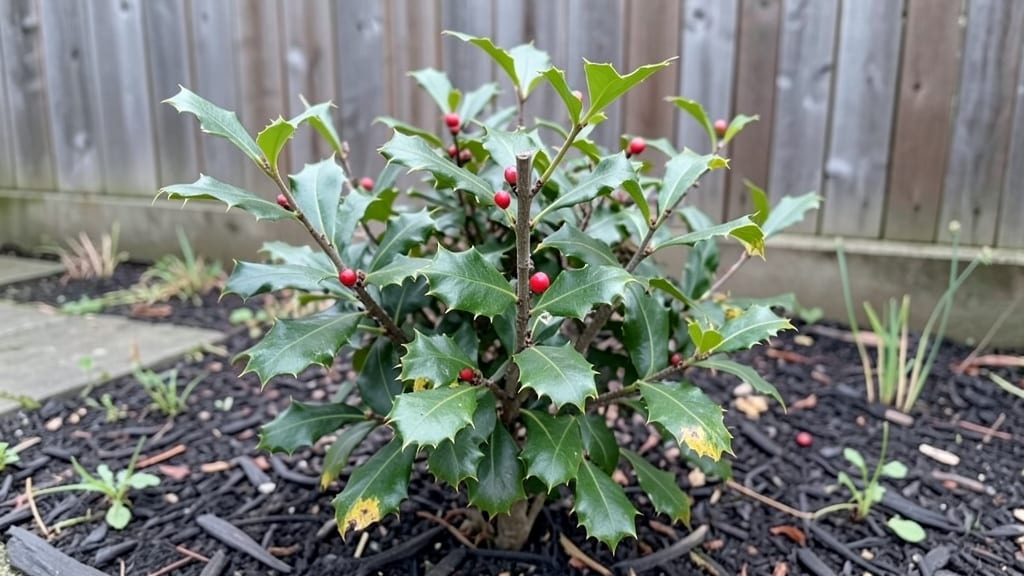
Your holly shrub’s yellow leaves aren’t a death sentence—they’re a call for action. 🌿 I’ve nursed back holly shrubs from patchy yellowing to vibrant green by addressing the real culprits: overwatering, nutrient starvation, or hidden pests. The key is spotting which problem you’re dealing with first.
Most yellowing starts with either too much water drowning roots or iron deficiency turning leaves pale. Check the soil—if it’s soggy, cut back watering. If it’s dry but leaves still yellow, it’s likely chlorosis, which thrives in alkaline soil.
A simple iron supplement or sulfur amendment can turn things around in weeks.
You’ll see the difference within a month: new growth emerging a rich, deep green, and those old yellow patches fading. The secret is acting fast—holly shrubs bounce back better when you catch issues early. Prune out the worst-affected branches first to redirect energy.
Works for English holly, American holly, or any Ilex variety—just adjust care based on your climate. Spring is the best time to tackle this, but even summer yellowing can be reversed with the right approach. Let’s get those leaves back to their glossy best.
Root Causes Behind Yellowing Holly Leaves
Yellow leaves on your holly shrub can be a distress signal—often rooted in environmental stress, nutrient deficiencies, or underlying health issues. Understanding the why behind the discoloration is the first step to restoring your shrub’s vibrant green.
Below, we break down the most common culprits, backed by science and actionable insights.
Holly shrubs thrive in well-drained soil, but when roots sit in soggy conditions, they suffocate, leading to chlorosis (yellowing between leaf veins). Overwatering disrupts oxygen uptake, while compacted or clay-heavy soil traps excess moisture, promoting root rot (Phytophthora fungi).
Key signs:
- Yellowing starts at the bottom leaves and spreads upward.
- Soil smells musty or feels damp even days after watering.
- Leaves may appear wilting or develop brown, crispy edges.
Why it happens:
- Holly roots are sensitive to waterlogging—they prefer 60% moisture but can’t tolerate saturation.
- Poor drainage forces roots to gasping for air, triggering nutrient uptake failures.
Yellowing leaves, especially when new growth is pale or yellow, often signal iron deficiency (chlorosis). Holly shrubs need iron (Fe), nitrogen (N), and magnesium (Mg) for chlorophyll production. In alkaline soils (pH > 7.0), iron becomes unavailable, even if present in the soil.
Key signs:
- Interveinal yellowing (veins stay green, tissue turns yellow).
- Stunted new growth or small, weak leaves.
- Older leaves may curl or drop prematurely.
Why it happens:
- Alkaline soil (pH 7.5+) locks iron into forms holly roots can’t absorb.
- Over-fertilizing with nitrogen without micronutrients throws off balance.
- Compacted soil reduces root exploration, limiting nutrient access.
While overwatering is a common issue, chronic underwatering can also cause yellowing. Holly shrubs have moderate drought tolerance, but prolonged dry spells force them into survival mode, leading to leaf scorch and nutrient depletion.
Key signs:
- Yellowing starts at leaf edges and progresses inward.
- Leaves feel dry, crispy, or brittle.
- Soil pulls away from the pot (if container-grown) or cracks when dry.
Why it happens:
- Roots can’t absorb water efficiently under drought, causing transpiration stress.
- Nutrient transport slows, leading to chlorophyll breakdown.
- Extreme heat (>90°F) accelerates moisture loss, compounding the problem.
Tiny pests like spider mites and scale insects drain sap from holly leaves, causing yellow stippling, webbing, or sticky residue (honeydew). Their feeding disrupts photosynthesis, leading to weakened, yellowing foliage.
Key signs:
- Speckled yellowing (tiny dots on leaves).
- Visible webs (spider mites) or brown bumps (scale).
- Ants crawling on the plant (honeydew attracts them).
Why it happens:
- Dry, hot conditions (low humidity) favor spider mite populations.
- Weakened plants (from stress or poor care) are easier targets.
- Scale insects thrive in warm, sheltered microclimates, like dense holly thickets.
Pathogens like anthracnose (Colletotrichum) or bacterial leaf spot (Xanthomonas) cause yellow halos, black spots, or leaf drop. These infections thrive in humid, poorly ventilated conditions, exploiting stressed holly shrubs.
Key signs:
- Yellow rings or spots with dark borders.
- Premature leaf drop or crusty lesions.
- Wet, sticky leaves (bacterial ooze).
Why it happens:
- Fungal spores spread via splashing water or wind in rainy seasons.
- Bacteria enter through injured leaves (e.g., from pruning tools).
- Overhead watering keeps foliage damp, ideal for pathogen growth.
Holly shrubs are hardy but sensitive to extreme temperatures. Sudden freeze-thaw cycles or intense heatwaves can cause cellular damage, leading to yellowing as the plant struggles to recover.
Key signs:
- Uniform yellowing (no spots or patterns).
- Leaf edges turn brown (cold damage) or curl upward (heat stress).
- New growth wilts after temperature swings.
Why it happens:
- Cold damage disrupts cell membranes, halting chlorophyll production.
- Heat stress accelerates transpiration, dehydrating leaves.
- Windburn (dry, windy conditions) dries leaf edges, mimicking nutrient issues.
Newly planted or recently pruned holly shrubs may develop yellow leaves as roots adjust. Root pruning, soil disturbance, or improper handling can stunt water/nutrient uptake, causing temporary chlorosis.
Key signs:
- Yellowing within weeks of transplanting.
- Wilting despite adequate water.
- Stunted root growth (if checked via soil inspection).
Why it happens:
- Root trauma triggers stress hormones, slowing recovery.
- Limited root zone (small pots or compacted soil) restricts nutrient access.
- Delayed watering post-transplant worsens shock.
Reviving Your Holly’s Health
Yellowing leaves on your holly shrub can be frustrating, but the good news is that most issues are fixable with the right approach. Below, we’ve mapped out practical solutions for common causes, along with prevention tips to keep your holly lush and green.
Let’s get your shrub back to its vibrant best!
Fix: Adjust your watering habits and improve soil conditions.
- Step 1: Check the Soil 👨🌾 Stick your finger 2-3 inches deep into the soil. If it feels soggy or water drips out, your holly is overwatered. Holly shrubs prefer well-draining soil—if yours is heavy clay, amend it with compost or perlite to improve aeration.
- Step 2: Water Wisely 💧 Water deeply 1-2 times per week, depending on rainfall. Avoid shallow, frequent watering, which can lead to root rot. Instead, aim for 1-1.5 inches of water per week (including natural rain).
- Step 3: Adjust Mulch 🌿 If you’re using mulch, ensure it’s 2-3 inches thick and not piled against the trunk. Too much mulch can suffocate roots and trap moisture.
💡 Pro Tip: If your holly is in a container, repot it into a larger pot with fresh, well-draining potting mix if drainage is poor.
Fix: Hydrate properly and protect from extreme heat.
- Step 1: Increase Watering Frequency 💦 If the soil is bone-dry, water deeply and thoroughly until it drains from the bottom. For established hollies, drip irrigation or soaker hoses work best to deliver water slowly to the roots.
- Step 2: Provide Shade 🌳 Holly shrubs thrive in partial shade, especially in hot climates. If your holly is in full sun, consider light shade cloth or planting it where it gets morning sun and afternoon shade.
- Step 3: Mulch to Retain Moisture 🌍 Apply a 2-3 inch layer of organic mulch (like wood chips or straw) around the base (but not touching the trunk) to lock in moisture and regulate soil temperature.
💡 Pro Tip: Deep watering once a week is better than frequent shallow watering—it encourages strong root growth.
Fix: Improve airflow, treat with fungicides, and prevent future outbreaks.
- Step 1: Prune for Airflow ✂️ Remove crowded or diseased branches to improve air circulation. Thin out foliage so light can reach the inner leaves.
- Step 2: Apply Fungicide 🛡️ Use a copper-based fungicide or neem oil spray (follow label instructions) to treat fungal infections. Reapply every 7-10 days until the issue clears.
- Step 3: Water at the Base 💧 Avoid overhead watering, which spreads fungal spores. Instead, water at the soil level to keep leaves dry.
💡 Pro Tip: Clean up fallen leaves regularly—they can harbor fungal spores and reinfect your holly.
Fix: Isolate, treat, and monitor for reinfestation.
- Step 1: Inspect Leaves 🔍 Look for tiny webs (spider mites), sticky residue (aphids), or white bumps (scale) on leaves. If found, act fast!
- Step 2: Blast Off Pests 💦 Spray the holly with a strong stream of water to dislodge pests. For stubborn infestations, use insecticidal soap or horticultural oil (follow package directions).
- Step 3: Introduce Beneficial Insects 🐞 Encourage ladybugs or lacewings, which eat pests naturally. You can buy them online or attract them with neem oil sprays.
💡 Pro Tip: Check the undersides of leaves—pests love hiding there!
Fix: Test soil and fertilize appropriately.
- Step 1: Do a Soil Test 📊 Yellowing leaves could signal iron chlorosis (yellow between veins) or nitrogen deficiency (pale green leaves). A DIY soil test kit (available at garden centers) can confirm.
- Step 2: Amend Soil or Fertilize 🌱
- For iron deficiency: Apply iron chelate or sulfur-based fertilizer.
- For nitrogen deficiency: Use a balanced fertilizer (10-10-10) or compost in early spring.
- Step 3: Adjust pH if Needed 🔄 Holly prefers slightly acidic soil (pH 5.0-6.0). If your soil is too alkaline, add peat moss or sulfur to lower pH.
💡 Pro Tip: Avoid over-fertilizing—too much salt can burn roots!
Once you’ve addressed the root cause, consistent maintenance will keep your holly healthy:
✅ Prune in Late Winter/Early Spring 🌸 – Remove dead or weak branches to encourage new growth. ✅ Fertilize Annually 🌿 – Use a slow-release fertilizer in early spring. ✅ Monitor for Stress 😬 – Yellowing can return if conditions change—stay vigilant! ✅ Protect from Cold Drafts ❄️ – Young hollies are sensitive to winter winds; use burlap wraps if needed.
With these targeted fixes, your holly should bounce back with rich, green foliage in no time. Happy gardening! 🌿✨
Frequently asked questions
Why do holly shrubs develop yellow leaves in spring?
Spring yellowing often signals new growth stress or iron deficiency from cold winter soil. Holly roots wake up slowly, and alkaline soil locks out iron. Test soil pH—if above 6.5, amend with sulfur or iron chelate. Water deeply 1-2 times weekly to encourage root activity.
Can yellow holly leaves turn green again?
Yes! If caused by overwatering or nutrient deficiency, new growth will regreen within 4-6 weeks with proper care. Prune affected branches to redirect energy. For chlorosis, apply iron supplement and mulch with pine needles to acidify soil gradually.
Are yellow holly leaves harmful to the plant?
Not immediately, but prolonged yellowing weakens the shrub. Severe cases (like root rot) can kill it. Act fast: adjust watering, check for pests, and fertilize if soil tests show deficiencies. Remove 20-30% of yellowed leaves to reduce stress on the plant.
How do I tell if yellow leaves are from pests vs. disease?
Pests (like spider mites) cause speckled yellowing with webbing, while diseases (e.g., anthracnose) show yellow rings or black spots. Inspect leaves closely: pests leave sticky residue (honeydew), while fungal diseases create crusty lesions. Treat pests with neem oil; diseases need copper fungicide.
Will pruning yellow leaves help my holly recover?
Yes, but strategically! Remove only 1/3 of yellowed branches to avoid shocking the plant. Focus on dead or diseased leaves first. Prune in late winter/early spring for best results. Avoid heavy pruning during heatwaves—it stresses the shrub further.