
Shrubs
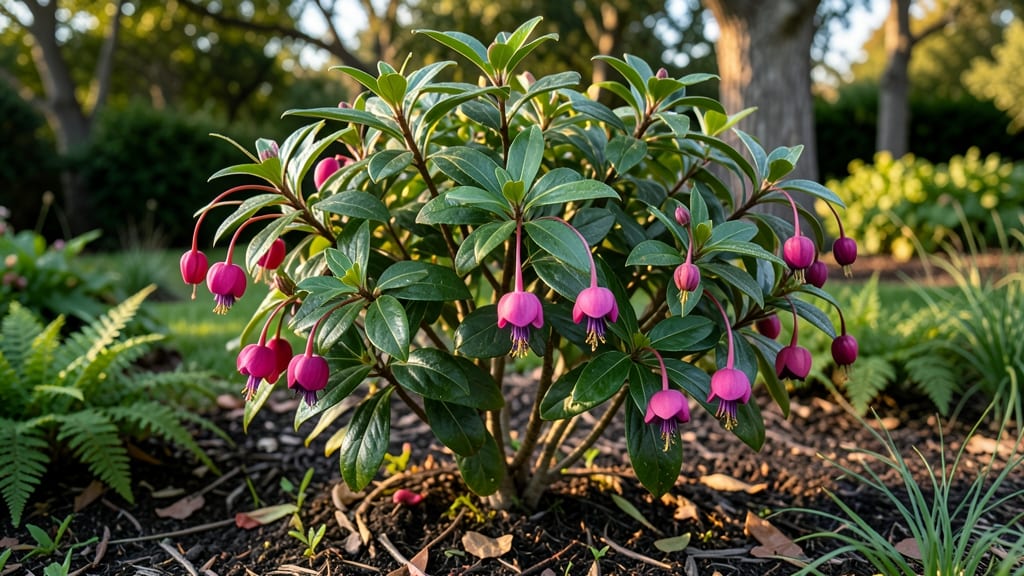
Growing a hardy fuchsia shrub (Fuchsia magellanica) means you can finally enjoy those stunning, dangling blooms without worrying about winter wipeouts. 🌿 Unlike its tropical cousins, this variety thrives in zones 7-9, handling frost down to 10°F—something I learned the hard way after losing my first batch to a late spring freeze.
The secret to success lies in mimicking its natural habitat: morning sun and afternoon shade, moist but well-draining soil, and protection from harsh winds.
I’ve found that planting in spring after the last frost gives roots time to establish before summer heat arrives, while a thick layer of mulch keeps roots insulated through winter. Within 3 years, you’ll have a lush, flowering canopy that hummingbirds adore.
The key is regular pruning after blooming to encourage bushier growth, and watching for powdery mildew—my biggest nemesis—by spacing plants properly and avoiding overhead watering. For those in colder zones, overwintering with extra mulch or a frost blanket makes all the difference. Let’s get your hardy fuchsia thriving!
📚 In This Guide
- What you need
- Instructions
- Tips and common mistakes
- Wrapping up and next steps
What you need
- ● Hardy Fuchsia Plants: 3–5 cold-hardy varieties (e.g., Fuchsia magellanica or Fuchsia × hybrida ‘Giantess’). Start with young plants (1–2 years old) for faster growth.
- ● Well-Draining Soil Mix: 50% high-quality garden soil
- ● 30% peat moss or coconut coir
- ● 20% perlite or coarse sand (for aeration)
- ● Organic Compost: 1–2 gallons per plant to enrich soil nutrients.
- ● Mulch: 2–3 inches of shredded bark or wood chips to retain moisture and insulate roots.
- ● Garden Trowel (for transplanting and soil prep)
- ● Pruning Shears (sterilized, for shaping and deadheading)
- ● Watering Can or Hose (with a gentle spray nozzle)
- ● Garden Gloves (to protect hands from thorns or rough soil)
- ○ pH Test Kit (optional but helpful—ideal soil pH: 6.0–7.0)
- ● Fertilizer: Balanced 10-10-10 or slow-release organic fertilizer (e.g., fish emulsion).
- ● Sunlight: Partial shade to dappled sunlight (4–6 hours/day). Avoid harsh afternoon sun in hot climates.
- ● Climate: USDA Zones 6–10 (or equivalent). Protect young plants in Zone 5 with winter mulch.
- ● Space: 2–4 feet apart for mature shrubs (account for spreading habits).
- ● Water Source: Consistent access to water for the first 2–3 weeks post-planting.
- ● 🌡️ Hardiness Hack: If you’re in Zone 5 or colder, choose Fuchsia magellanica—it tolerates temps down to -15°F!
- ● ✨ Soil Secret: Mix in a handful of mycorrhizal fungi at planting to boost root health.
- ● 🔄 Fertilizer Frequency: Feed every 6–8 weeks during growing season (spring–fall).
Step-by-step instructions for planting and cultivating hardy fuchsia shrubs
Here's how to establish a thriving cold-hardy fuchsia canopy that will reward you with seasonal blooms for years.
🌱 Step 1: Select the Perfect Planting Site and Prepare the Soil
Choose a location with partial shade—morning sun and afternoon shade works best for most hardy fuchsia varieties. These shrubs tolerate USDA zones 5-9, but they'll need winter protection in colder zones. Test your spot by observing how much direct sunlight it gets; too much midday sun can scorch leaves.
Amend the soil with 2-3 inches of compost mixed into the top 12 inches of soil. Hardy fuchsias prefer well-draining, slightly acidic soil (pH 5.5-6.5). If your soil is heavy clay, incorporate sand or perlite to improve drainage. Work the amendments in thoroughly—you'll see the soil loosen and darken as you mix.
🪴 Step 2: Plant Your Hardy Fuchsia Shrubs at the Right Depth
Dig a hole twice as wide as the root ball but only as deep as the container it came in. This prevents burying the stem too deeply, which can cause rot. Gently remove the shrub from its container and loosen any circling roots with your fingers—this encourages outward growth instead of root-bound stress.
Place the shrub in the hole so the top of the root ball sits level with the surrounding soil. Backfill with native soil mixed with a handful of slow-release fertilizer, tamping lightly as you go. Water deeply to settle the soil and eliminate air pockets. You'll know it's right when the soil surface looks slightly compressed but not muddy.
☀️ Step 3: Establish Proper Watering and Mulching for First-Year Growth
Water deeply once a week during the first growing season, providing 1-1.5 gallons per plant. The goal is to encourage deep root growth, not surface moisture. Check moisture by sticking your finger 2 inches into the soil—if it feels dry, it's time to water. Overwatering is the fastest way to kill these shrubs.
Apply 2-3 inches of mulch around the base, keeping it 3 inches away from the stem to prevent rot. Use pine bark or shredded leaves—these break down slowly and improve soil structure over time. Mulch helps retain moisture and regulates soil temperature, which is especially important in hot summers or cold winters.
✂️ Step 4: Prune for Shape and Encourage Bushier Growth
Prune lightly in early spring before new growth begins, removing any dead, damaged, or crossing branches. Cut just above a leaf node at a 45-degree angle to promote healing. Hardy fuchsias respond well to pruning, so don't be afraid to shape them—just avoid heavy cuts in the first year.
In late summer, after the first flush of blooms, give your shrubs a light haircut to encourage a second round of flowers. Remove spent blooms regularly throughout the season—this practice, called deadheading, redirects the plant's energy into producing more flowers instead of seed pods.
⏰ Step 5: Protect and Prepare for Winter Survival
In zones 5-6, apply a 4-6 inch layer of mulch around the base in late fall to insulate roots. Wrap the canopy in burlap if temperatures dip below 10°F—this prevents winter burn. Hardy fuchsias are tough, but young plants need extra protection their first winter.
Remove winter wraps in early spring once temperatures consistently stay above 40°F. Check for any dried or damaged branches and prune them out before new growth begins. With proper winter care, your hardy fuchsia will return stronger each year, eventually forming a lush, cold-resistant canopy.
Tips & tricks for perfect hardy fuchsia shrub cultivation
These practical insights will help you transform your fuchsia shrubs into a thriving, cold-resistant canopy that blooms beautifully every season.
Soil Preparation Insight: When amending your soil with 2-3 inches of compost into the top 12 inches, consider adding a handful of sulfur if your soil tests above pH 6.5. Hardy fuchsias thrive in slightly acidic conditions, and this small adjustment prevents leaf yellowing. Test your soil first—many garden centers offer affordable pH test kits. The goal is that perfect balance where roots can access nutrients without stress.
Planting Depth Technique: The key to successful planting lies in that level soil line at the top of the root ball. If you bury the stem too deeply, you risk suffocating the plant and creating rot. Pro tip: Use a small wooden stake to mark the original soil level in the container before planting—this gives you a clear reference point. Once planted, the top of the root ball should align perfectly with your stake.
Watering Wisdom: That 1-1.5 gallons per week guideline assumes average rainfall doesn't interfere. In hotter climates or during drought, increase to 2 gallons weekly while keeping that 2-inch soil moisture check as your guide. Morning watering is ideal—it allows foliage to dry before evening, reducing fungal risks. I've seen fuchsias wilt dramatically from afternoon watering in direct sun, so timing matters just as much as quantity.
Winter Protection Strategy: For zones 5-6, that 4-6 inch mulch layer and burlap wrap at 10°F works wonders, but don't stop there. Add a layer of straw or leaves over the mulch for extra insulation—this creates a cozy blanket effect. Remove the burlap in early spring when temperatures consistently stay above 40°F, but leave the mulch in place until soil warms completely. I've watched fuchsias emerge too early from improperly timed winter protection, only to suffer frost damage.
Pro Tips for Hardy Fuchsia Shrub
- These practical insights will help you transform your fuchsia shrubs into a thriving, cold-resistant canopy that blooms beautifully every season.
- Soil Preparation Insight: When amending your soil with 2-3 inches of compost into the top 12 inches, consider adding a handful of sulfur if your soil tests above pH 6.5.
- Planting Depth Technique: The key to successful planting lies in that level soil line at the top of the root ball.
Frequently asked questions
Can hardy fuchsias survive winter in my climate?
Yes! Hardy fuchsias (like Fuchsia magellanica) thrive in USDA Zones 6-10. In colder zones (5-6), mulch heavily and protect with burlap or frost cloth. Evergreen varieties handle light frost better than tender types. Pro tip: Prune back dead growth in early spring to encourage fresh growth.
How fast do hardy fuchsias grow, and when will they bloom?
Hardy fuchsias grow 1-2 feet per year and typically mature in 3 years for a lush canopy. Blooms appear late spring to fall, with peak color in summer. For faster results, fertilize lightly in spring with a balanced 10-10-10 formula.
What pests or diseases should I watch for?
Common issues include aphids, spider mites, and powdery mildew. Spray off pests with water or use neem oil. For mildew, improve airflow and avoid overhead watering. Yellow leaves? Often from overwatering—let soil dry slightly between waterings.
Can I grow hardy fuchsias in containers?
Use a 15-20 gallon pot with well-draining soil and winterize by moving containers to a sheltered spot or wrapping roots in bubble wrap. Dwarf varieties (like ‘Gracilis’) are perfect for patio gardens. Bonus: Containers let you move them to sunny spots for maximum blooms!
What’s a good alternative if my zone is too cold?
Try Fuchsia ‘Riccartonii’ (hardy to Zone 5) or Fuchsia ‘Avalanche’ (Zone 7). For even colder climates, opt for Hebe or Pieris—they offer similar texture and color without frost risk. Pro tip: Grow tender fuchsias as annuals in pots for summer color!
Wrapping up and next steps
Growing a hardy fuchsia shrub is a rewarding journey that brings vibrant color and resilience to your garden—even in cooler climates! 🌿 With the right soil prep, pruning know-how, and winter care, you can enjoy a stunning canopy in just three years.
Whether you're a beginner or a seasoned gardener, these tips will set you up for success.
Ready to transform your outdoor space? Start by selecting the perfect spot this season—your future blooms will thank you! For extra inspiration, explore cold-hardy shrub varieties or join gardening forums to share your progress. Happy planting! 🌸