
Trees
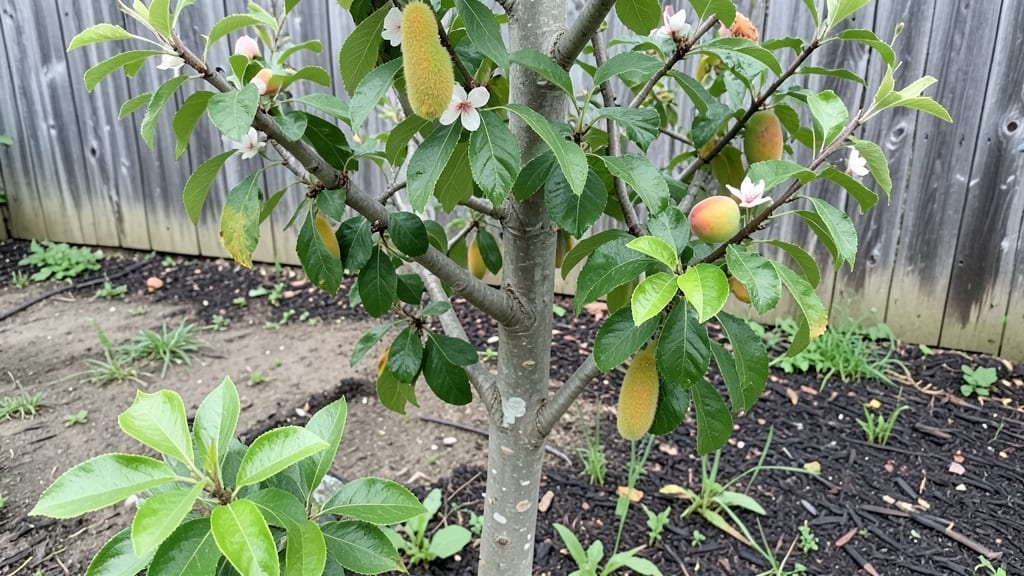
Harvesting your peach tree 🍑 at the right moment means the difference between a juicy, sweet reward and a mealy disappointment.
There’s nothing quite like biting into a peach that’s perfectly ripe—juicy, sweet, and bursting with flavor. But knowing exactly when to harvest your peach tree can be tricky, especially if you want to avoid mealy, underripe fruit or overly soft, overripe peaches.
In USDA Zone 6a, where peaches typically ripen between July and August, timing is everything. A few days too early and you’ll miss peak sweetness; too late, and the fruit may split or attract pests.
The key? Learning to read your tree’s signals—color, texture, and even scent—before you pick.
Below, I’ll walk you through the exact signs to watch for, the tools you’ll need, and how to handle your peaches once they’re off the tree so they stay fresh longer. No guesswork, just perfect peaches every time.


How to determine the perfect time to harvest peaches for maximum sweetness
Timing your peach harvest is an art that balances sweetness, texture, and tree health. Peaches ripen unevenly, so checking each fruit individually ensures you don’t miss the peak flavor window.
The right moment arrives when color, texture, and stem separation align perfectly—usually 60-90 days after flowering, depending on your climate zone.
In USDA Zones 6-8, most peaches ripen between mid-July and early September, but early varieties like Redhaven may start as early as late June. Late varieties like Elberta can extend into September.
Heatwaves or cool spells can shift this timeline by 1-2 weeks, so stay vigilant. For example, a hot summer may speed up ripening, while a cool spring could delay it.
| Indicator | Ready Peach | Not Ready Peach |
|---|---|---|
| Color | Fully developed hue (yellow, white, or red) | Green or partially colored |
| Texture | Slightly soft when gently pressed | Hard or firm to the touch |
| Stem Separation | Detaches easily with gentle twist | Stuck firmly to branch |
| Scent | Sweet, fragrant aroma near stem | Little to no scent |
| Seed Development | Seeds are fully brown and developed | Seeds are white or pale |
Start by examining the fruit’s color. A ripe peach will have its mature hue—whether that’s deep red, yellow, or blushed orange—with no lingering green. For example, Redhaven peaches turn a vibrant red, while Elberta peaches develop a yellow-gold blush.
A color change is your first clue, but don’t rely on it alone—some peaches may look ripe but still taste bland.
The texture test is where many gardeners go wrong. A ripe peach should yield slightly when pressed near the stem—think of the give of a ripe avocado. If it’s hard as a rock, it needs more time.
If it’s mushy or leaking juice, it’s overripe. Pro tip: Use your thumb to press gently; if the skin leaves a faint imprint, it’s ready. Overripe peaches bruise easily, so harvest them promptly to avoid waste.
Pay attention to the stem’s attachment. A ripe peach will detach easily from the tree with a gentle twist—no force needed. If the fruit resists, it’s not ready. This stem separation is nature’s way of signaling ripeness.
For clingstone varieties, like Redhaven, this test is especially critical because the flesh clings to the pit when underripe. Twist the fruit while holding the branch to avoid damaging the tree.
Your nose knows! A ripe peach emits a sweet, floral scent near the stem. Sniff the fruit—if it smells fragrant and inviting, it’s likely ready. Underripe peaches have little to no scent, while overripe ones may smell fermented or sour.
This aroma test works best in the morning when temperatures are cooler, as heat can mask scents. Pair this with the other tests for the most accurate reading.
Climate plays a huge role in harvest timing. In warmer southern regions (Zones 8-10), peaches may ripen as early as June, while in cooler northern zones (Zones 4-6), you might not see ripe fruit until late August.
For instance, a Texas peach orchard could harvest Redhaven peaches in early July, whereas a Michigan grower might wait until mid-August. Keep a harvest journal to track your tree’s pattern over the years.
Don’t overlook the seed test for extra confirmation. Cut a peach open and check the seeds: they should be fully brown and developed. If they’re white or pale, the fruit isn’t ripe yet.
This test is especially useful for freestone varieties, like Suncrest, where the pit separates easily from the flesh. Overripe peaches may have seeds that are dark but shriveled, indicating the fruit has passed its prime.
Harvesting at the right time isn’t just about taste—it’s also about tree health. Leaving peaches on the tree too long attracts pests like wasps and birds, which can damage both the fruit and the tree. Plus, overripe peaches fall to the ground, bruising and spoiling quickly.
Aim to harvest every 2-3 days during peak season to stay on top of ripening fruit. Use a fruit picker or small ladder to avoid dropping peaches.
If you’re unsure whether a peach is ready, err on the side of underripe. Peaches won’t ripen further once picked, but they’ll spoil quickly if overripe. Store them at room temperature for 1-2 days to soften slightly, then refrigerate to
Common mistakes that ruin your peach harvest (and how to avoid them)
Even experienced gardeners sometimes fall into traps that turn sweet peach dreams into mealy disappointments. One of the biggest mistakes is ignoring subtle ripeness cues—like that perfect blush color or the way the fruit gives slightly when pressed.
Without these clues, you might end up with fruit that’s either underripe and tart or overripe and mushy. Another common pitfall is picking peaches based on calendar dates instead of the tree’s actual readiness, which can lead to inconsistent quality.
Peaches also suffer from poor storage practices after harvest. Storing them at room temperature for too long or refrigerating them too early can accelerate spoilage. Even the way you handle the fruit during picking matters—rough handling bruises peaches, making them spoil faster.
These mistakes might seem small, but they can turn a bountiful harvest into a frustrating loss.
⚠️ Warning: The #1 Harvest Mistake You're Probably Making
Picking peaches by color alone is a recipe for disappointment. Many gardeners assume a fully red or yellow blush means ripeness, but internal ripeness (like seed browning) is the real test. Overripe peaches on the tree can fall prematurely or develop mealy flesh, while underripe ones lack sweetness. Always check for seed color—if the pit is brown inside, it’s ready!
Another critical error is harvesting all peaches at once, even if they ripen over weeks. Different branches produce fruit at slightly different times, and peaches ripen faster off the tree than on it.
If you pick everything in one go, you’ll end up with some overripe peaches within days of harvest. Instead, check branches every 2-3 days during peak season and pick only the ripe ones, leaving others to mature.
Storage is where many gardeners trip up after the harvest. Never refrigerate peaches while they’re still firm—this slows ripening and can lead to uneven softening or chilling injury. Store them at room temperature until fully ripe, then move them to the fridge to extend their life.
For long-term storage, freeze peaches whole or slice them—just be sure to blanch them first to preserve texture and color.
Even the tools you use can affect your harvest. Using metal pruners or shears can bruise peaches, while plastic or fabric harvest bags protect them from scratches. Always pick peaches by hand or with a soft-clawed pruner, and avoid twisting too hard—this can damage the branch.
A gentle twist should release the fruit cleanly, leaving the stem intact.
Finally, don’t overlook the post-harvest care for your peach tree. After a big harvest, prune dead or diseased branches and fertilize lightly to encourage next year’s crop. Water deeply but less frequently in late summer to harden off the tree before winter.
These steps ensure your tree stays healthy and productive for years to come.