
Blooming
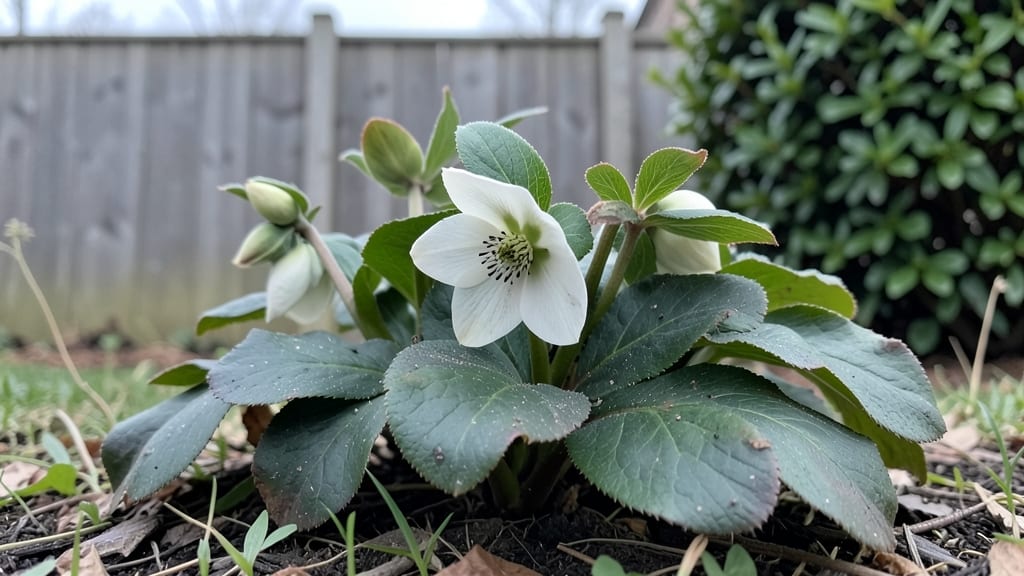
The hellebore blooming season arrives when most gardens sleep—often from late winter through early spring, sometimes even under snow. 🌿 I’ve watched them push through frost for years, their delicate petals unfurling like nature’s secret promise that spring is coming.
The timing varies wildly by variety and climate, but that’s part of their charm.
Northern gardens see blooms as early as January, while southern regions might wait until March or April. Early bloomers like Helleborus niger often start in December, while darker varieties like Helleborus orientalis wait until February or March.
The key? Planting in partial shade and well-draining soil keeps them happy year-round.
What makes hellebores special isn’t just their timing—it’s their bold, long-lasting flowers that stay fresh for weeks. Pair them with early crocuses or winter pansies for a garden that never sleeps. The secret to bigger blooms? Prune spent flowers in summer and feed lightly in fall.
Don’t let misconceptions fool you—hellebores aren’t just for shade gardens. They thrive in USDA zones 4-9, and with the right variety, you can enjoy them from November to May. Start with a few different types to stretch your blooming season even further.
📚 In This Guide
- What you need
- Instructions
- Tips and common mistakes
- Wrapping up and next steps
What you need
- ● Hellebore plants: 1–5 mature plants (depending on desired coverage; spacing: 12–18 inches apart)
- ● OR 50–100 seeds (if starting from scratch; germination takes 1–2 years!)
- ● Soil amendments: 2–3 gallons of well-draining, slightly acidic soil (pH 6.0–7.0; mix in peat moss or compost)
- ○ Optional: Perlite or sand (1 part per 3 parts soil) for extra drainage
- ● Planting tools: 1 trowel or hand shovel
- ● 1 garden fork (for loosening soil)
- ● 1 pair of pruning shears (for trimming dead foliage post-planting)
- ● Mulch: 2–3 inches of organic mulch (e.g., shredded bark or leaves) to insulate roots
- ● Watering supplies: Watering can or hose with a gentle spray nozzle
- ○ Drip irrigation kit (optional, for consistent moisture)
- ● Fertilizer: Balanced, slow-release granular fertilizer (e.g., 10-10-10; apply lightly in early spring)
- ● Pest deterrents: Neem oil or insecticidal soap (if slugs/snails are a threat)
- ● Staking: Small stakes or pebbles (to weigh down heavy blooms if needed)
- ● Garden gloves: For comfortable handling (hellebores have sap that can irritate skin!)
Step-by-Step guide to extending hellebore blooming season
Here’s how to coax your evergreen hellebores into their longest, most vibrant winter display.
🌱 Step 1: Select the Right Hellebore Varieties for Winter Bloom
Not all hellebores bloom in winter—focus on Helleborus niger (Christmas rose) and Helleborus argutifolius (Corsican hellebore), which thrive in cold climates. These varieties naturally flower from late fall through early spring, often before snow melts. Avoid Helleborus orientalis hybrids unless you’re in zones 6-8, as they prefer milder winters.
I always check the flower color first—deep purples and whites hold up best in frost, while pale pinks can fade faster. Plant 4-6 plants per cluster for a lush, continuous display. Space them 12-18 inches apart so stems don’t compete for sunlight in shaded beds.
☀️ Step 2: Position for Maximum Winter Sunlight
Hellebores need partial shade (morning sun, afternoon shade) to bloom reliably in winter. Too much direct sun scorches their delicate petals, while too little shade delays flowering. I test spots by placing a plant in full shade first—if it bolts (sends up a single, weak flower stalk) instead of branching, move it 2-3 feet closer to light.
In heavy snow zones, mound soil 2-3 inches high around the crown to protect emerging buds. This extra insulation prevents frost heave, which can crack roots. Mulch with 2-3 inches of shredded bark after the first frost to retain warmth without suffocating the plant.
💧 Step 3: Water Strategically to Encourage Bud Formation
Water deeply once every 2-3 weeks in fall (when soil temps drop below 50°F) to trigger bud set. Overwatering now leads to weak stems that flop under snow. I use a soaker hose to deliver moisture directly to the root zone—hellebores hate wet foliage, which rots in winter.
Stop watering entirely 6 weeks before your first frost. This dormancy period forces the plant to redirect energy into next year’s buds, not leaf growth. You’ll see tiny flower buds forming in late summer—these are your promise of winter blooms.
✂️ Step 4: Prune and Feed for Prolonged Bloom Time
Remove only dead or brown foliage in early spring—never cut back healthy leaves until after blooming. The leaves photosynthesize even in winter, feeding the roots. I snip spent flower stalks at the base with clean, sharp shears to redirect energy into new growth.
Apply a balanced 10-10-10 fertilizer in early spring (March in most zones) when new growth appears. A light top-dressing of compost or worm castings boosts blooms without burning roots. Avoid high-nitrogen fertilizers—they promote leaves at the expense of flowers.
⏰ Step 5: Protect Blooms During Extreme Freezes
If temperatures drop below 15°F, shield hellebores with frost cloth or a lightweight row cover. Secure the fabric with bricks or stakes—wind will tear it away. Never use plastic, which traps moisture and causes rot. I’ve seen hellebores survive -10°F under proper cover, but buds may still blacken if frost persists for 48+ hours.
After the last frost, remove covers gradually over 3-4 days to avoid shocking the plants. You’ll know it’s working when buds stay firm and upright—soft, drooping buds mean they’re struggling. A little winter care ensures your hellebores outlast snowdrops and crocuses by weeks.
Tips & tricks for extending hellebore blooming season
Here’s how to turn your winter garden into a hellebore paradise—without leaving anything to chance.
Variety Selection Matters: When choosing between Helleborus niger and Helleborus argutifolius, prioritize deep purple or white blooms—they withstand frost better than pale pinks. I’ve seen pale varieties fade to grayish-brown after just one hard freeze. For maximum impact, mix 4-6 plants per cluster in groups of three varieties (like one white, one purple, and one green) to create visual interest while ensuring continuous bloom times.
Light Testing is Non-Negotiable: In Step 2, when testing sunlight exposure, pay close attention to the plant’s growth pattern. If your hellebore sends up a single, weak stalk instead of branching, it’s telling you it needs more light—but not full sun. The 2-3 foot adjustment rule works best when you move the plant gradually over 2-3 weeks, giving it time to acclimate. This prevents shock that could delay flowering.
Winter Watering Strategy: The 2-3 week watering schedule in fall is crucial, but timing matters just as much as frequency. Water when soil temperatures drop below 50°F—this triggers the plant’s natural dormancy response. I’ve found that watering in the late afternoon (after 4 PM) prevents moisture from evaporating too quickly, giving roots the hydration they need without encouraging fungal growth.
Frost Protection Hacks: When temperatures plummet below 15°F, don’t just throw any old cover over your hellebores. Frost cloth should be breathable (like Agribon 30) and secured with bricks or landscape pins—wind is the silent killer of winter protection. I’ve had hellebores survive -10°F under proper cover, but only because I removed the cloth gradually over 3-4 days after the last frost. Rushing this step can shock the plants back into dormancy.
Pro Tips for Hellebore Blooming Season
- Here’s how to turn your winter garden into a hellebore paradise—without leaving anything to chance.
- Variety Selection Matters: When choosing between Helleborus niger and Helleborus argutifolius, prioritize deep purple or white blooms—they withstand frost better than pale pinks.
- Light Testing is Non-Negotiable: In Step 2, when testing sunlight exposure, pay close attention to the plant’s growth pattern.
Frequently asked questions
Got questions about hellebore blooming season? You’re not alone! Whether you're a new gardener or a seasoned plant lover, timing, care, and troubleshooting can feel tricky. Below, we’ve rounded up the most common questions—and answers—to help you make the most of these winter wonders.
When is the exact hellebore blooming season?
Hellebores typically bloom from late fall to early spring, depending on your climate and variety. In colder regions, they may start as early as October-November and last until March-April. In milder zones, blooms can stretch from December to May. Plant them in partial shade to extend their season!
Do hellebores bloom in winter?
Yes! Hellebores are famous for their winter blooms—they often flower when most gardens are dormant. Their nodding, bell-shaped flowers appear above leathery foliage, adding color to frosty landscapes. Just ensure they’re planted in well-draining soil to prevent rot during heavy rains or snow.
Why aren’t my hellebores blooming?
If your hellebores skip blooming, check these common culprits:
- Too much shade: They need bright, indirect light (6+ hours of dappled sun).
- Overcrowding: Divide clumps every 3–4 years to improve airflow.
- Poor soil: Amend with compost for better nutrition.
- Dormancy: Young plants may take 2–3 years to bloom.
Are there hellebore alternatives for early spring color?
If hellebores aren’t your style, try these winter/spring bloomers:
- Winter aconite (Eranthis hyemalis): Tiny yellow flowers in January–March.
- Snowdrops (Galanthus): Delicate white blooms in late winter.
- Crocuses (Crocus): Cheerful purple/white flowers in February–March.
- Hepatica (Hepatica nobilis): Pastel blooms in early spring.
Are hellebores deer-resistant?
Hellebores are highly deer-resistant thanks to their toxic foliage (contains protoanemonin). However, deer might nibble in extreme hunger. For extra protection, add a light mulch layer or companion plants like ferns or ferns to deter them.
Wrapping up and next steps
Hellebores are nature’s winter cheerleaders, proving that beauty thrives even in the coldest months! Whether you’re a gardener eager to add year-round color or simply admiring their resilience, these evergreen blooms remind us that patience and persistence pay off. 🌱❄️
Ready to welcome these frost-defying stars into your garden? Start by planning your planting schedule—early fall or late winter are ideal—and choose varieties that suit your climate. Then, explore our guide on hellebore care to keep them flourishing for seasons to come!