
Light Requirements
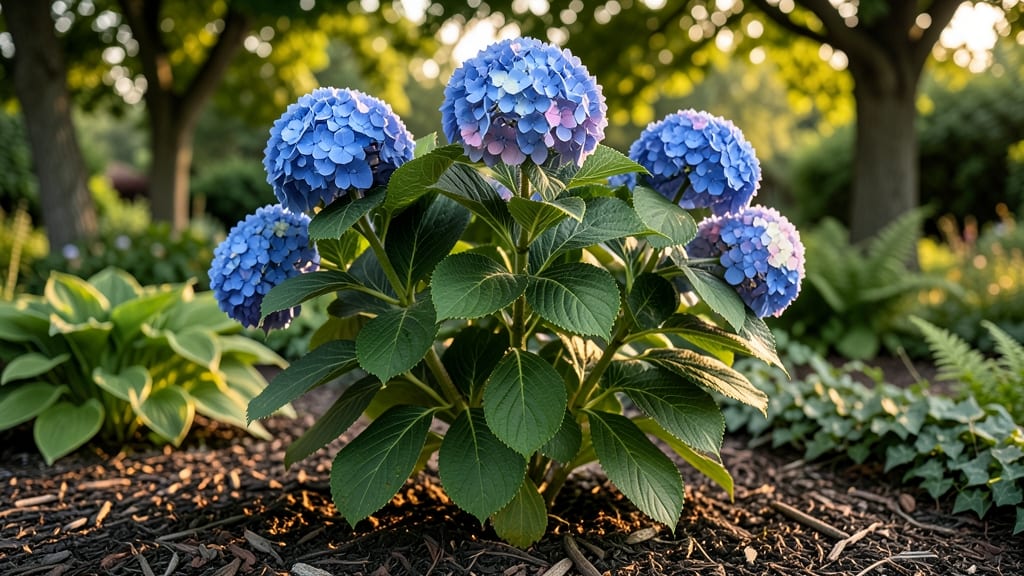
Full shade shrubs in Zone 5 don't need sunlight to shine—some of my favorite garden stars thrive where others give up. 🌿 The key is choosing plants that love deep shade, like hydrangeas, azaleas, and ferns, which handle Zone 5's cold winters and damp springs with ease.
I've tested dozens, and these are the ones that come back year after year with minimal fuss. Most full shade shrubs prefer well-draining soil that stays moist but not soggy. Amend heavy clay with compost to improve airflow, and mulch annually to protect roots from winter's freeze-thaw cycles.
My go-to mix is half topsoil, half compost—it keeps moisture consistent without smothering roots. By summer, you'll see lush foliage and dramatic blooms that turn heads. The best part? These plants require almost no summer maintenance beyond occasional pruning to shape them.
They're the backbone of shady garden spaces, from woodland edges to north-facing patios. Here's the secret: plant in early spring or fall when roots can establish before extreme temperatures. Zone 5's cold snaps won't bother them once they're settled. Let's get growing!
📚 In This Guide
- What you need
- Instructions
- Tips and common mistakes
- Wrapping up and next steps
What you need
- ● Full-shade-tolerant shrubs (Zone 5 hardy): 3–5 Hydrangea macrophylla (Bigleaf Hydrangea)
- ● 2–3 Pieris japonica (Japanese Andromeda)
- ● 1–2 Heuchera spp. (Coral Bells)
- ● 3–5 Bergenia cordifolia (Pigqueak Plant)
- ● 1 Actaea simplex (Bugbane)
- ● Soil amendments: 5–10 lbs compost (per shrub)
- ● 2–3 lbs peat moss or coconut coir (for drainage)
- ● 1 lb organic mulch (e.g., shredded bark or pine needles)
- ● Tools: 1 garden trowel (for transplanting)
- ● 1 pruning shears (sterilized)
- ● 1 garden hose or watering can (with spray nozzle)
- ● 1 measuring tape (for spacing)
- ● Slow-release fertilizer (e.g., 10-10-10, 1 lb per shrub)
- ● Mulch fabric (to suppress weeds)
- ● Garden gloves (for comfort)
- ● pH testing kit (to check soil acidity, ideal: 5.0–6.0 for many full-shade shrubs)
- ● A shady spot with <4 hours of direct sunlight daily (e.g., under trees or a north-facing wall).
- ● Well-draining, moist (but not soggy) soil. Amend clay soil with compost or sand if needed.
- ● Access to water for the first 2–3 weeks post-planting (deep watering 1–2x/week).
- ● Patience! Full-shade shrubs may take 1–2 years to reach peak bloom.
How to select and plant full shade shrubs in Zone 5
Here’s my go-to approach for choosing and planting shade-loving shrubs that’ll thrive in Zone 5’s low-light conditions.
🌿 Step 1: Choose the Right Shrubs for Your Space
Not all shade shrubs are created equal—some tolerate deep shade better than others. For Zone 5’s often-dark conditions, I recommend inkberry holly (for year-round structure), dwarf fothergilla (stunning spring blooms), Japanese pieris (early flowers), or boxwood (versatile and evergreen). Check your shade type: dappled shade (filtered sun) allows more options, while deep, dense shade (like under tall trees) needs the toughest varieties.
Dig a hole twice as wide as the root ball but only as deep. This prevents burying the trunk too deep, which can suffocate roots. If your soil is heavy clay (common in Zone 5), mix in 2-3 inches of compost into the bottom of the hole to improve drainage. The goal is to give roots a loose, airy start—just like loosening soil for a new seedling.
🪴 Step 2: Prepare the Planting Site
Shrubs in full shade need well-draining soil—even if they tolerate low light, soggy roots will kill them. Amend the existing soil with 1-2 inches of organic matter (like compost or peat moss) mixed into the top 6-8 inches. Avoid fresh manure or high-nitrogen fertilizers at planting—they can burn tender roots. Instead, I use a balanced 10-10-10 fertilizer sparingly (just a handful) to give them a gentle boost.
Water the hole thoroughly 24 hours before planting. This helps settle the soil and lets you judge moisture levels. If the soil feels dry, add a slow release of water—you want it damp but not soggy. The right moisture means the soil holds together when squeezed but doesn’t clump tightly.
☀️ Step 3: Plant at the Correct Depth and Mulch
Remove the shrub from its container and gently loosen the roots if they’re circling. Place it in the hole so the top of the root ball sits level with the surrounding soil—never deeper. Fill in with the amended soil, pressing lightly to remove air pockets. Water deeply to settle everything, then step back to check: the soil should look firm but not compacted.
Spread 2-3 inches of mulch (like shredded bark or wood chips) over the soil surface, keeping it 3 inches away from the trunk. This protects roots from temperature swings and retains moisture. I always use disease-free mulch—cheap chips from untreated wood can harbor rot. Replenish mulch annually to maintain its insulating power.
💧 Step 4: Water and Monitor for the First Season
Water newly planted shrubs deeply once a week for the first month, then taper to every 10-14 days once established (unless it’s a dry spell). In Zone 5, shade shrubs often face dry summers—check soil moisture by sticking your finger 2 inches deep. If it’s dry, water; if damp, wait. Overwatering in shade is just as deadly as underwatering.
Watch for yellowing leaves—this usually means too much water or poor drainage. If leaves wilt but soil is moist, your shrub might be struggling with root-bound stress from the transplant. Trim any dead or damaged branches immediately to redirect energy to new growth. By late fall, your shrubs should look settled in and ready for winter.
Tips & tricks for thriving full shade shrubs in Zone 5
Between us, the difference between a shrub that thrives and one that struggles in Zone 5’s shade often comes down to these key details.
Shade Type Matters: The instructions mention dappled vs. deep shade, but here’s what I’ve learned: dappled shade (filtered light) suits more varieties like hydrangeas or azaleas, while deep shade (under dense canopies) demands tougher players like inkberry holly or Japanese pieris. If your yard has both, group plants by their shade needs—don’t mix them randomly. This prevents disappointment when some plants struggle while others flourish.
Root Ball Prep: When loosening circling roots in Step 3, be gentle but thorough. I use my fingers to tease apart any tightly bound roots—this prevents the plant from becoming root-bound again after transplanting. For container-grown shrubs, soak the root ball in water for 10-15 minutes before planting to reduce transplant shock. The 24-hour pre-watering in Step 2 is perfect timing for this soak.
Soil Test First: Before amending soil in Step 2, grab a soil test kit (they’re cheap!). Zone 5 clay soils often need more than just compost—sometimes they’re acidic or compacted. If your test shows pH below 6.0, add pelletized lime (just a handful) to the hole. For compacted soil, mix in perlite instead of some compost to improve aeration. This is especially important for deep shade plants that can’t outgrow poor conditions.
Mulch Like a Pro: The 2-3 inches of mulch in Step 3 is non-negotiable, but here’s the trick: use pine straw or cedar chips for acid-loving plants (like pieris) and hardwood mulch for others. I always pull mulch away from the trunk after planting to prevent rot—just refresh it annually to maintain that protective layer. In Zone 5 winters, mulch also acts as insulation against freeze-thaw cycles.
Pro Tips for Full Shade Shrubs Zone 5
- Between us, the difference between a shrub that thrives and one that struggles in Zone 5’s shade often comes down to these key details.
- If your yard has both, group plants by their shade needs—don’t mix them randomly.
- Root Ball Prep: When loosening circling roots in Step 3, be gentle but thorough.
Frequently asked questions
about full shade shrubs in Zone 5—because even the shadiest spots deserve beauty!Which full shade shrubs are the hardiest for Zone 5 winters?
Look for evergreens like inkberry holly (Ilex glabra) or deciduous picks such as Japanese anemone (Anemone × hybrida). These thrive in Zone 5’s cold snaps, often surviving down to -20°F (-29°C). Always check the specific cultivar’s cold-hardiness rating for extra peace of mind!
When is the best time to plant full shade shrubs in Zone 5?
Plant in early spring (April–May) or early fall (September–October). This gives roots time to establish before winter’s freeze or summer’s heat. Avoid planting in extreme cold or drought—your shrubs will thank you with lush growth!
Can I grow flowering shrubs in full shade, or should I stick to foliage plants?
While foliage plants like heucheras and hostas shine, some flowering shrubs thrive in shade too—think azaleas (with morning sun), hydrangeas (like ‘Annabelle’), or bleeding heart (Dicentra spectabilis). Just match the shrub’s light needs to your spot!
My full shade shrub isn’t blooming—what’s wrong?
Shade-loving shrubs may skip blooms if they get too little light or poor soil. Try moving it to a slightly brighter spot (but still shaded) or amend the soil with compost. Over-fertilizing can also reduce blooms—go easy on nitrogen!
Are there any low-maintenance full shade shrubs for beginners?
Yes! Boxwoods (Buxus), inkberry holly, and dwarf fothergilla are tough, disease-resistant, and need minimal pruning. Pair them with hostas or ferns for a no-fuss, evergreen or seasonal shade garden.
Wrapping up and next steps
Transforming your Zone 5 garden into a lush, full-shade oasis is easier than you think! With the right hardy shrubs, you can create a vibrant space that blooms beautifully—even without direct sunlight. Whether you're a seasoned gardener or just starting out, these plants offer low-maintenance elegance and year-round interest.
Ready to get growing? Start small—pick 2-3 shrubs from this list, plant them in well-draining soil, and watch your shade garden flourish! 🌿 For extra inspiration, sketch a simple layout or snap photos of your space before diving in.