
Pests and Diseases
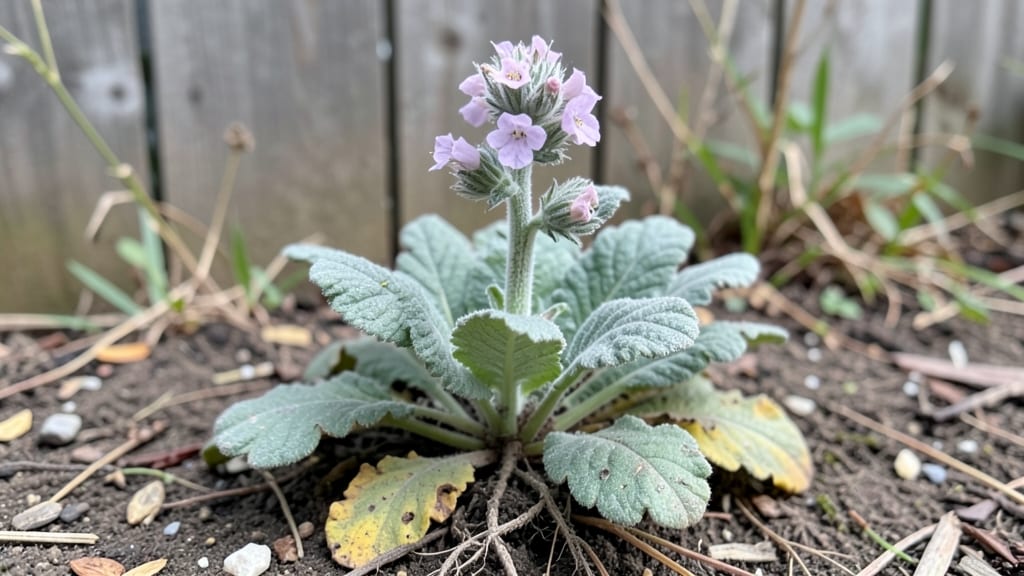
The hesperis matronalis leaf is nature’s own pest-deterrent, and I’ve learned to rely on it like a secret weapon in my garden. 🌿 Those deep green, slightly fuzzy leaves don’t just look striking—they repel cabbage moths, aphids, and even deer with their strong scent.
I first noticed how well they worked when I planted them near my struggling brassicas last spring.
Growing Dame’s Rocket is easier than you’d think—just give it full sun to partial shade and well-draining soil. The leaves stay healthy with minimal fuss, though I do prune back leggy stems in early summer to encourage bushier growth.
The real magic happens when you crush a few leaves near vulnerable plants; pests avoid the area for weeks.
You’ll love how the fragrant purple flowers attract pollinators while the leaves keep pests away—it’s like having a two-for-one garden guard. The plant thrives in zones 3-8, so whether you’re in a cold climate or a warm one, it’s a reliable addition.
Once established, it self-seeds happily, spreading its protective benefits year after year.
For best results, plant in early spring or fall before extreme heat sets in. A little mulch keeps the soil moist, and you’ll see those glossy leaves popping up reliably.
The only challenge? Keeping it from spreading too aggressively—though that’s a small price to pay for a natural pest barrier that actually works.
📚 In This Guide
- What you need
- Instructions
- Tips and common mistakes
- Wrapping up and next steps
What you need
- ● Hesperis matronalis seeds or seedlings: 3–5 plants per 100 sq. ft. of garden space (ensure they’re organic and pesticide-free).
- ● Well-draining soil: A mix of garden soil and compost (ratio: 2 parts soil to 1 part compost).
- ● Watering can or hose: With a gentle spray nozzle for seedlings.
- ○ Gloves (optional but recommended): To protect hands while handling soil or plants.
- ● Pruning shears: Sharp, sterilized shears for trimming leaves (if using them directly as mulch).
- ● Garden space: Full sun to partial shade (at least 4–6 hours of sunlight daily).
- ○ Mulch (optional): Straw or shredded leaves to retain moisture around plants.
- ○ Spray bottle (for optional leaf tea): 16 oz. with a fine mist setting.
- ● Labeling tags: To mark your Hesperis matronalis plants (if mixing with other herbs).
How to use Hesperis matronalis leaves as a natural pest barrier
This fragrant perennial creates a living shield against garden pests—here’s how to harness its power.
🌿 Step 1: Identify and Harvest Healthy Leaves
Select mature Hesperis matronalis plants with vibrant green foliage and no signs of disease. The best leaves for pest control are the middle-aged ones—not the young, tender shoots or the oldest, yellowing ones. Harvest on a dry morning when dew has evaporated, as wet leaves can attract pests themselves.
Gently pluck leaves by their stems rather than tearing them, which can damage the plant. You’ll need about 2 cups of fresh leaves for a small garden barrier (roughly 10-12 square feet). Store them in a paper bag in the fridge for up to 3 days if you can’t use them immediately.
💧 Step 2: Prepare the Leaf Infusion
Fill a clean glass jar with the harvested leaves, packing them tightly but not crushing. Pour 2 cups of boiling water over the leaves and seal the jar with a lid. Let it steep for 24 hours in a cool, dark place—this extracts the natural compounds that repel pests like cabbage moths, aphids, and even deer.
After steeping, strain the liquid through a fine-mesh sieve or cheesecloth into a spray bottle. Discard the used leaves (they’re no longer effective). The infusion should have a faint, sweet herbal scent—if it smells strong or rotten, it’s been contaminated and needs to be discarded.
✂️ Step 3: Apply as a Spray Barrier
Lightly mist the infusion around the edges of your garden beds, focusing on areas where pests commonly enter—near plant stems, along fences, and around the base of susceptible crops like brassicas or roses. Avoid spraying directly on leaves, as this can cause damage or attract fungal issues.
Reapply every 7-10 days or after heavy rain, as the natural oils break down over time. For a stronger barrier, combine with a few drops of neem oil (optional) for added pest resistance. You’ll notice pests lingering near treated areas but quickly moving away—it’s a clear sign it’s working.
🌱 Step 4: Create a Living Mulch Layer (Optional)
For a long-term solution, chop fresh Hesperis matronalis leaves into small pieces and spread them as a 1-inch-thick mulch around the base of plants. This releases the repellent compounds slowly as the leaves decompose, protecting your garden for weeks. Refresh the mulch every 4-6 weeks for continuous coverage.
This method also improves soil health by adding organic matter. Just avoid piling mulch directly against plant stems, as it can cause rot. Instead, create a donut-shaped ring around each plant to keep roots dry while keeping pests at bay.
☀️ Step 5: Monitor and Rotate Plantings
Check treated areas weekly for signs of pest activity. If you notice an increase in pests, reapply the infusion or refresh the mulch. Rotate crops seasonally to prevent pests from adapting to the barrier—this keeps Hesperis matronalis effective year after year.
Over time, you’ll see fewer pests in your garden and healthier plants. The key is consistency—just like any natural remedy, it works best when used regularly. If pests persist, combine this method with other organic controls like row covers or beneficial insects for even better results.
Tips & tricks for perfect Hesperis matronalis pest barrier
Took me a while to figure these out, so here goes—these simple tricks will help you get the most out of your fragrant pest barrier while avoiding common pitfalls that can make it less effective.
Leaf Selection Matters: I learned this the hard way after using yellowing leaves that actually attracted more pests! Focus on those middle-aged leaves with vibrant green color—look for leaves that are fully mature but not yet crispy. They should feel firm but pliable, not brittle. Harvesting in the morning gives you the freshest leaves with the highest concentration of repellent compounds.
Steeping Secret: The 24-hour steeping time is non-negotiable for maximum effectiveness. I used to think shorter steeping would be better, but the longer time actually extracts more of those natural pest-repelling compounds. If you're short on time, you can speed up the process slightly by using slightly warmer water (just off the boil) instead of full boiling water—this helps extract flavors faster without compromising safety.
Storage Wisdom: Those 2 cups of fresh leaves will keep their potency for up to 3 days in the fridge, but don't store them in airtight containers. A simple paper bag lets them breathe while keeping pests away. If you notice any musty smells when you open the bag, compost those leaves immediately—they've started breaking down and may attract pests instead of repelling them.
Application Technique: When you're applying that spray barrier, think of it like painting a perimeter fence—focus on the edges where pests enter. Use a fine mist setting on your spray bottle so the liquid doesn't pool around plant stems. I've found that spraying in the early evening gives you the best results, as the natural oils have time to settle before nighttime pests become active.
Pro Tips for Hesperis Matronalis Leaf
- Took me a while to figure these out, so here goes—these simple tricks will help you get the most out of your fragrant pest barrier while avoiding common pitfalls that can make it less effective.
- Leaf Selection Matters: I learned this the hard way after using yellowing leaves that actually attracted more pests!
- Steeping Secret: The 24-hour steeping time is non-negotiable for maximum effectiveness.
Frequently asked questions
Can I use Hesperis matronalis leaves directly as a pest repellent?
Yes! You can crush fresh Hesperis matronalis leaves and rub them on plant stems or scatter them around garden beds. The strong scent deters pests like aphids, cabbage worms, and even deer. For a longer-lasting effect, dry the leaves and steep them in water for a homemade spray.
How long does it take for Hesperis matronalis to repel pests after application?
Pests often notice the scent within hours, but full effectiveness may take 1–2 days, especially in hot or dry conditions. Reapply every 5–7 days or after rain. For immediate results, combine with neem oil or garlic spray for a stronger barrier.
Are there any plants that can replace Hesperis matronalis if I can’t grow it?
Try dill, fennel, or basil—their strong aromas repel many pests. Tansy and chamomile are also excellent alternatives. Even lavender or rosemary work well near vegetable gardens.
Will Hesperis matronalis leaves harm beneficial insects like bees or ladybugs?
No, Hesperis matronalis is generally safe for pollinators when used correctly. Avoid overapplying near flowering plants to prevent overwhelming their scent. Always test a small area first, and opt for targeted applications (e.g., leaf rubs) over broad sprays.
What should I do if pests return after using Hesperis matronalis?
Rotate repellent methods—try soapy water sprays, diatomaceous earth, or companion planting (e.g., marigolds). Check for hidden infestations (like eggs on undersides of leaves) and remove affected foliage promptly. Persistent issues may need organic insecticides like pyrethrin.
Wrapping up and next steps
Hesperis matronalis leaf is a game-changer for gardeners looking for a natural, chemical-free way to keep pests at bay! 🌿 Its powerful scent and easy-to-use properties make it a simple yet effective solution for protecting your plants. Whether you're a seasoned gardener or just starting out, this method is both eco-friendly and budget-friendly.
Ready to give it a try? Start small—plant a few Hesperis matronalis near your vulnerable crops or create your own pest-repellent barrier today! Your garden (and the planet) will thank you. 🌱